Nov 2, 9:01 PM
France’s Broken Lesson Plan: School Blockades and Economic Paralysis
As lycées burn wheelie bins and unions plan nationwide strikes, missing weeks of school is framed as the ultimate negotiating tactic.
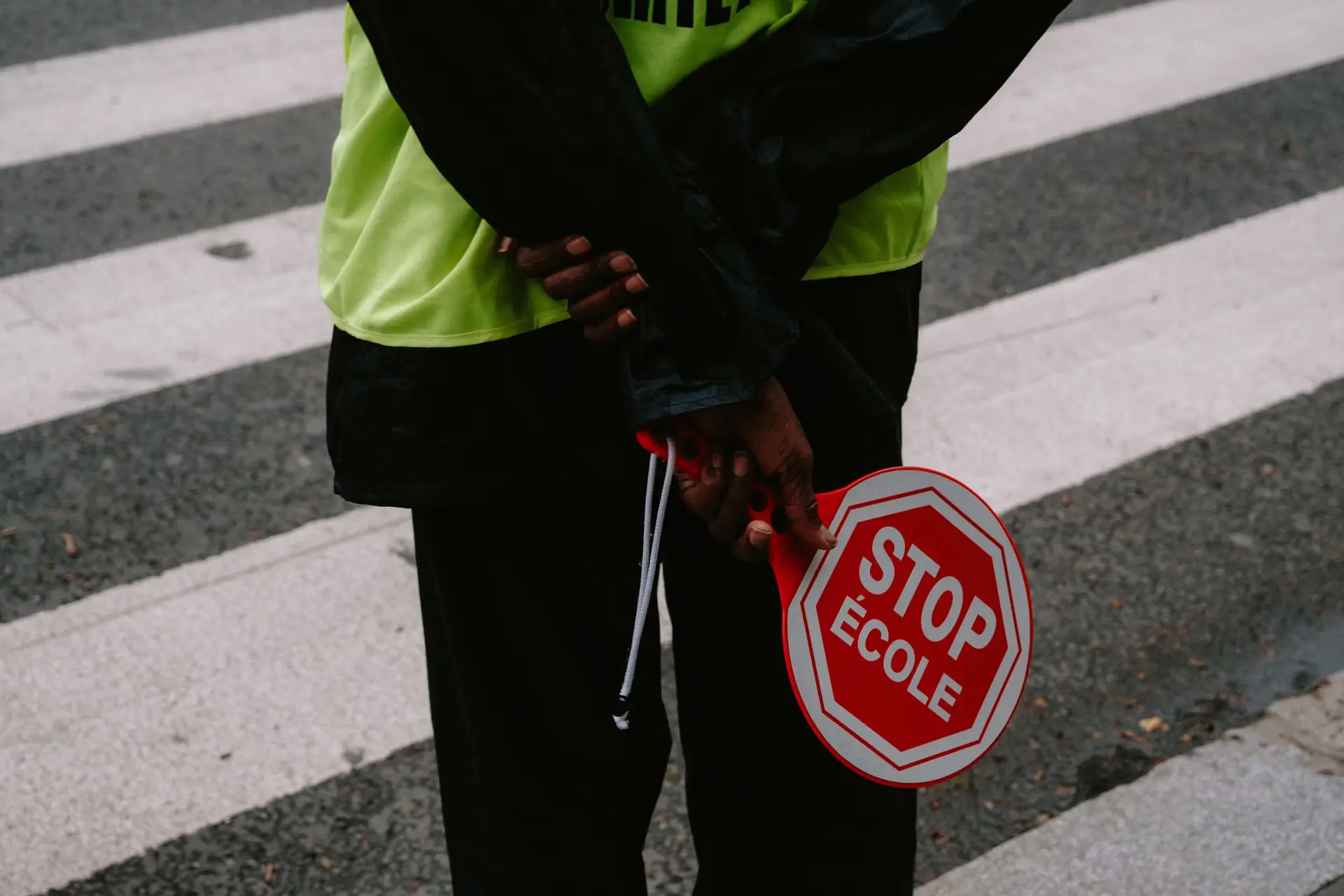
The autumn holiday in France has ended, but for thousands of high school students, the school doors remain firmly shut. Armed with wheelie bins and makeshift barricades, teenagers across Paris, Marseille, Toulouse, and Lille have blocked their own lycées to demand state funding, building repairs, and relief from the rising cost of living.
The standoff, which has dragged on since September, highlights a familiar cycle of French governance: public services deteriorate under fiscal pressure, and the reflexive national response is to paralyze what little remains functional. Student representatives claim around 150 schools are currently barricaded, while the education ministry insists the figure is a modest 41. Regardless of the exact tally, the practical outcome is identical. Hundreds of thousands of pupils preparing for their final baccalauréat exams have now lost four to five weeks of instruction.
The government’s attempts at conciliation have predictably unraveled. Education Minister Édouard Geffray declared the blockades illegal, warning that the academic year is at risk for pupils who cannot complete their coursework or catch up on the curriculum. Yet proposed concessions, such as capping certain class sizes and tweaking the university application portal, were promptly rejected as trivial. Even Nathanaël Combary, a student union spokesman who happens to belong to Emmanuel Macron’s own Renaissance party, insisted that barricades are the only language the administration understands.
Rather than resolving the conflict, the high school barricades are acting as a catalyst for broader labor agitation. University unions are setting up their own blockades, and a major nationwide strike called by trade unions is set to bring rail transport, classrooms, and private sector businesses to a halt on Thursday. Workers across multiple sectors plan to join the demonstrations, framing their grievances around low salaries and economic hardship.
The political establishment is using the chaos to perform its usual ideological theater. In Montpellier, Socialist senator Hussein Bourgi accused authorities of misconduct after police forcibly detained a school nurse during a barricade clearance, an arrest the local prefect defended on grounds of disrespect and resistance. Meanwhile, Prime Minister Sébastien Lecornu has scheduled another round of talks with student leaders next week.
Sacrificing weeks of instruction to protest a lack of educational resources remains a paradox unique to the French state model. When public infrastructure falters and low salaries pinch, the standard remedy is self-inflicted disruption. Whether burning wheelie bins will somehow fix decrepit classrooms or improve baccalauréat pass rates remains a question the protesters seem reluctant to ask.
Written by Sandy van Dongen sandy.vandongen@alpineweekly.com