Nov 3, 9:01 PM
European Leaders and Candidate Nations Debate Expansion Timelines in Brussels
Discussions at the Euronews Enlargement Summit focused on agricultural trade, accession safeguards, and political friction across candidate states.
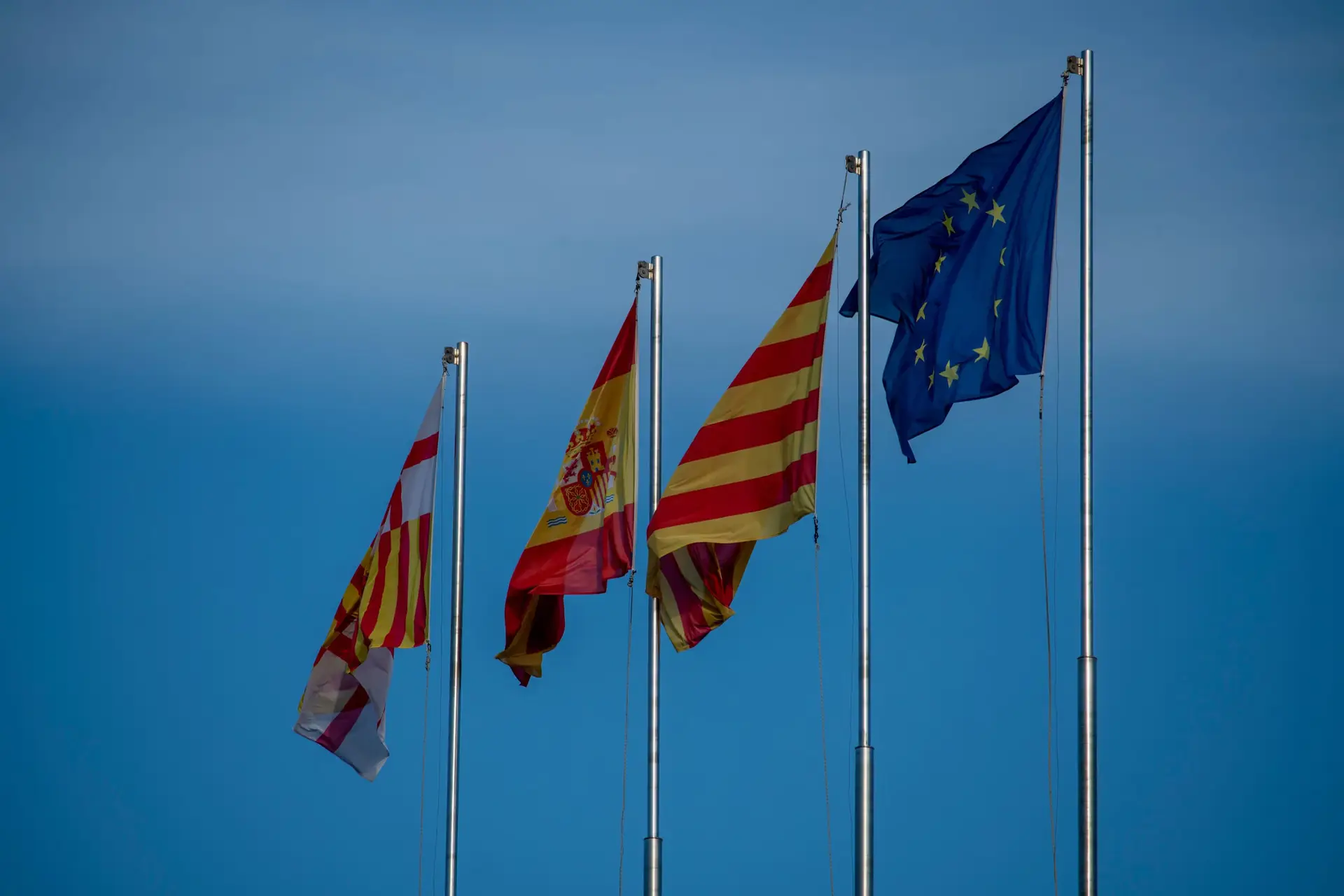
European leaders and representatives from candidate nations gathered in Brussels for the Euronews Enlargement Summit to discuss political conditions, reforms, and timelines for expanding the European Union. In a written address to the meeting, European Council President António Costa stated that accession ambitions should help overcome historical grievances and encourage genuine cooperation across the region.
Among the Western Balkan nations, Montenegro aims to achieve full membership by 2028. Montenegrin European Affairs Minister Maida Gorčević rejected a European Commission proposal introduced last month that includes a potential 15-year probation period with voting restrictions for new members, stating that her government would not accept second-tier status. Croatian Prime Minister Andrej Plenković expressed caution regarding fixed deadlines, stating that upcoming European political developments, including elections in France, could significantly impact the enlargement schedule.
Ukrainian Prime Minister Sergii Koretskyi addressed proposed post-accession limits on Ukrainian agricultural exports, such as wheat and grain, which the European Commission pitched following concerns from several member states. Koretskyi stated that transitional measures must include clear exit conditions and cannot result in permanent single-market restrictions, adding that Kyiv intends to begin closing negotiation chapters in the first half of 2027. Moldovan Prime Minister Vasile Tofan, who remained in Chișinău to manage a cyberattack that compromised data from roughly 750,000 citizens, stated through summit communications that Moldova is advancing accession steps alongside Ukraine, while confirming that Moldova lacks the parliamentary majority required to alter its constitutionally mandated neutrality for NATO membership.
The summit also detailed divergent paths in the Caucasus and other Balkan candidate countries. Armenian Prime Minister Nikol Pashinyan stated that formally applying for membership in 2027 or 2028 is a realistic objective, acknowledging that citizens will need to weigh trade ties between the European Union and the Russian-led Eurasian Economic Union. Conversely, Georgian Prime Minister Irakli Kobakhidze confirmed that Tbilisi will not repeal its 2024 foreign influence laws, accusing European institutions of political pressure while expressing hope for future changes in European policies. Albanian Prime Minister Edi Rama reaffirmed target goals to conclude negotiations by the end of 2027, while North Macedonian President Gordana Siljanovska-Davkova cited continuing delays linked to Bulgarian demands for constitutional adjustments regarding minority recognition.
Written by Andreas Hofer andreas.hofer@alpineweekly.com