Oct 21, 6:01 AM
Empty Dams, High Stakes: The Summer Sell-Off in the Swiss Alps
When energy providers trade winter security for summer exports, the nuclear debate is never far behind.
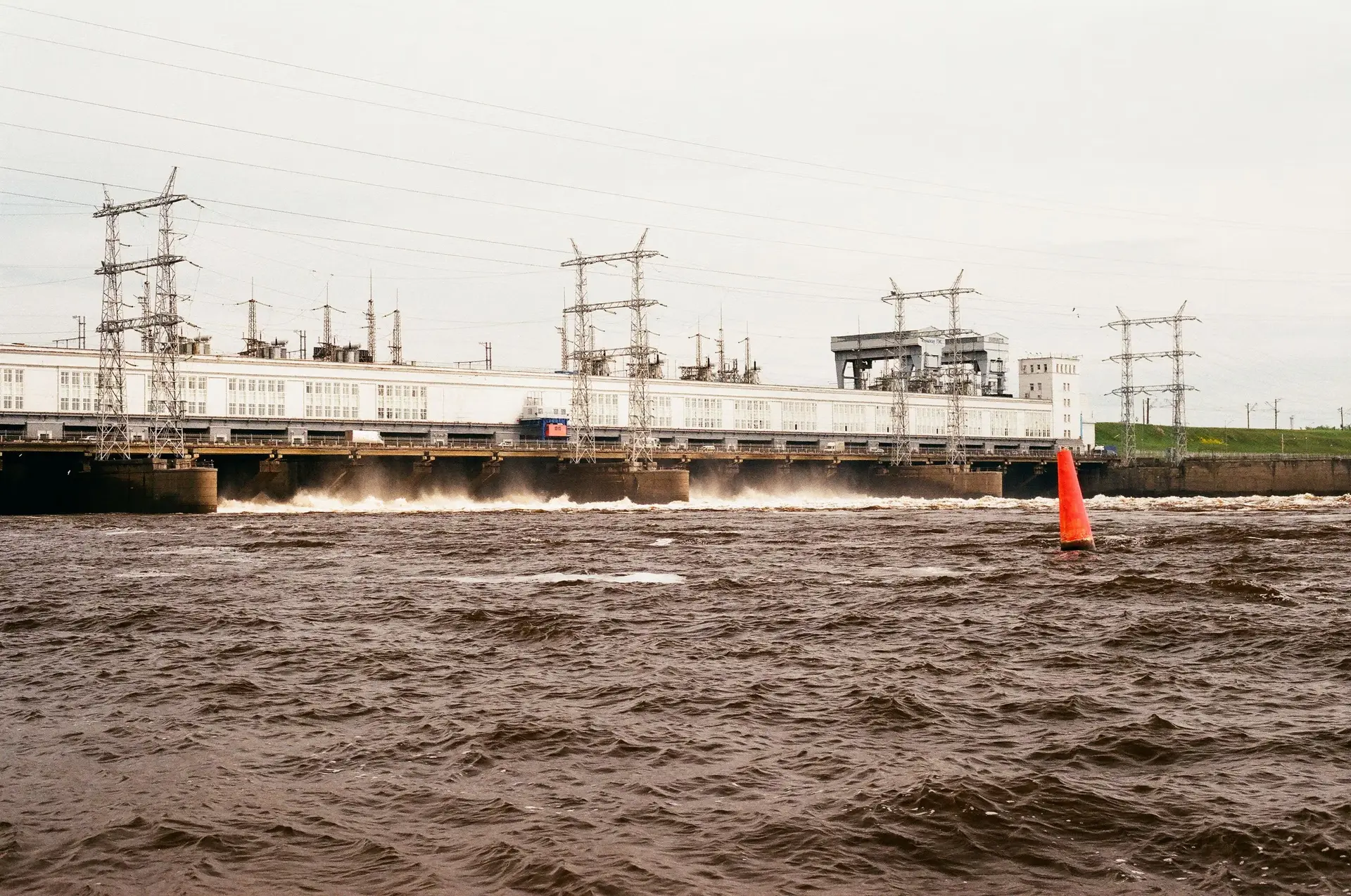
Autumn in the Swiss mountains usually brings steady waters, but this year the view into alpine basins is rather bleak. Reservoirs in Ticino stand at just half their capacity, while those in Graubünden are barely two-thirds full. For Jürg Grossen, president of the Green Liberal Party, the culprit is not merely nature, but the profit-driven calculations of electricity producers.
Grossen accuses energy corporations of running their hydro turbines excessively during the summer months between April and September. By exporting surplus power abroad when it was not strictly necessary, electricity companies have needlessly depleted reserves meant to carry the country through the cold season. The GLP leader sees a clear contradiction at play: energy suppliers sell off hydro reserves during summer for quick profit, only to plead a winter supply deficit when lobbying to lift the ban on building new nuclear power plants. To expose these practices, Grossen demands that firms disclose precisely how much reservoir water was used for summer power generation.
The industry, however, shows little appetite for self-criticism. Michael Frank, director of the Association of Swiss Electricity Companies, attributes the depleted basins to an unusually dry summer rather than commercial greed. Moreover, industry figures suggest the actual shortfall in available winter electricity is modest, sitting at just three percent below normal years.
From the electricity sector's perspective, the political fixations over dam levels miss the larger operational reality. Supply security during winter, Frank argues, hinges far less on seasonal reservoir management and far more on extending the operational lifespan of existing nuclear reactors from 60 to 80 years. Demands for additional reporting obligations are dismissed as a redundant administrative burden. In the eyes of energy executives, further regulatory intervention would amount to an unnecessary Swiss finish that nudges the market toward a state-planned economy.
What presents itself as a technical dispute over water levels is, in truth, another proxy battle over Switzerland's broader nuclear trajectory. The shadow of the atomic debate now dominates every corner of energy policy, ensuring that even a dry summer in the Alps becomes immediate ammunition for political battles.
Written by Martina Kirchner martina.kirchner@alpineweekly.com