Oct 23, 4:01 PM
Empty Chairs in Budapest: How Diplomatic Friction Dimmed Hungary's 1956 Jubilee
Prime Minister Péter Magyar envisioned a grand summit of world leaders, but delayed invitations and sharp exchanges with Paris and Kyiv left the stage mostly to Brussels officials.
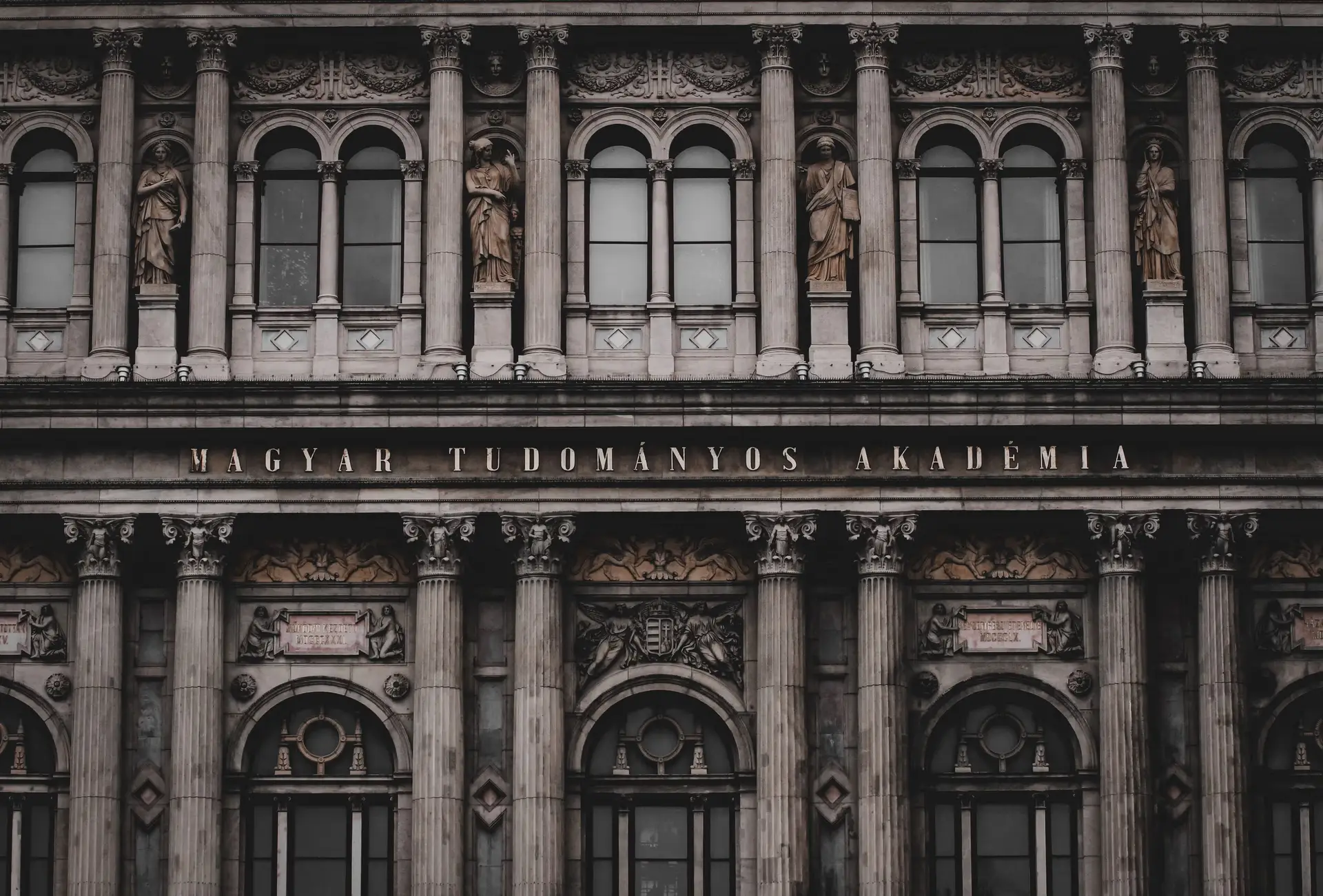
Grand ambitions in diplomacy frequently collide with the mundane realities of calendar management and thin skins in Western capitals. When Prime Minister Péter Magyar took office earlier this year, his vision for the 70th anniversary of the 1956 anti-Soviet uprising was nothing short of a summit of world leaders in Budapest. Fast forward to October 23, and the grand hall in the Hungarian capital presented a distinctly muted picture.
Instead of a sweeping assembly of Western heads of state, the guest list boiled down primarily to top European Union bureaucrats and departmental representatives. European Commission President Ursula von der Leyen and European Council President António Costa made the trip, their schedules abruptly freed after an EU-Gulf Cooperation Council meeting in Riyadh was conveniently postponed. Speaking in Budapest, von der Leyen declared that six months ago the people of Hungary voted for a new chapter. To turn the page on years of division, of trust eroded, freedoms rolled back, prosperity undermined. For Brussels, ever eager to assert its authority over member states, the occasion offered a prime photo opportunity to signal that Hungary had been pulled back into line.
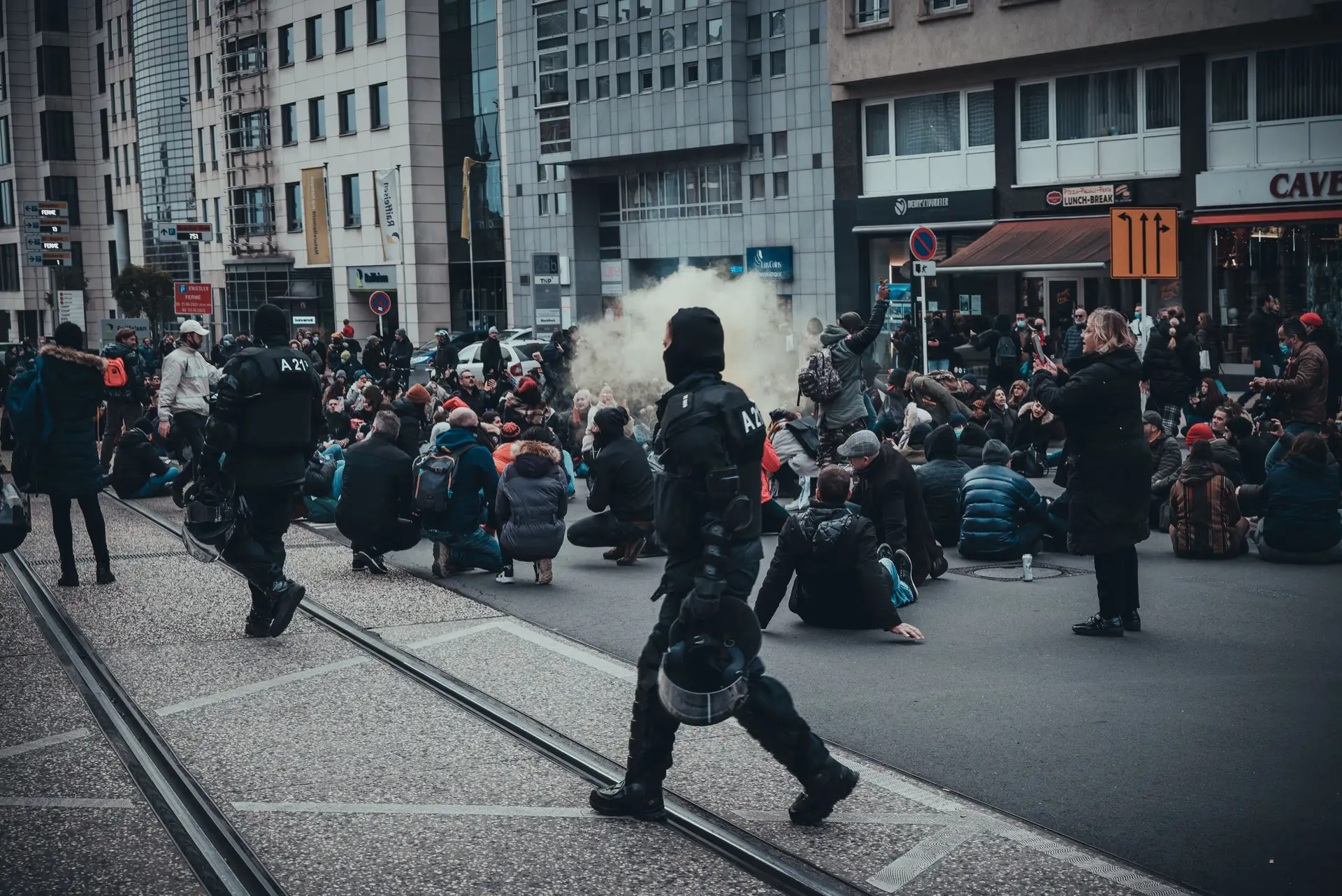
The absence of key European figures tells its own story. French President Emmanuel Macron stayed away after a predictable exchange of diplomatic sharp words. Following recent violent unrest in France, Magyar had remarked on social media that the destruction illustrated precisely why Hungary maintains a rigorous stance on migration control. Macron retaliated publicly, dismissing criticisms from foreign leaders as foolish and asserting that those pointing out France's internal difficulties simply disliked the country. The French embassy promptly confirmed Macron would not attend an event his office claimed was never officially on his schedule anyway.
Other major figures found polite excuses. Polish Prime Minister Donald Tusk prioritized a visit to India, while Italian Prime Minister Giorgia Meloni traveled to Kuwait. Insiders in Budapest acknowledged that official invitations had only gone out in September—far too late for leaders operating on rigid diplomatic calendars. Communication gaps between the Hungarian prime minister’s office and the foreign ministry clearly contributed to the logistical oversight.
Navigating relations with neighboring countries proved equally delicate. Ukrainian President Volodymyr Zelenskyy had indicated openness to attending during an EU summit in Brussels, but subsequent public commentary from Budapest cooled expectations. Ultimately, Kyiv dispatched its parliamentary speaker instead. Meanwhile, the presence of Georgian Prime Minister Irakli Kobakhidze and Moldovan President Maia Sandu highlighted Hungary's persistent effort to act as a diplomatic bridge between Eastern and Western Europe, even as Western diplomats voiced discomfort over Kobakhidze’s domestic political measures.
Around forty nations dispatched delegations, though mostly at the ministerial level. For a government attempting to balance strict national border policies with renewed ties to Brussels, the commemoration exposed how easily political rhetoric can complicate international hospitality. Budapest remains committed to its sovereign trajectory, even if Western partners prefer to deliver speeches rather than attend celebrations.
Written by Christiane Hofreiter christiane.hofreiter@alpineweekly.com