Nov 8, 3:01 PM
Egypt Reopens Tripoli Embassy After 12-Year Closure
Cairo seeks balanced ties with Libyan factions amid shifts in regional diplomacy and Mediterranean energy interests.
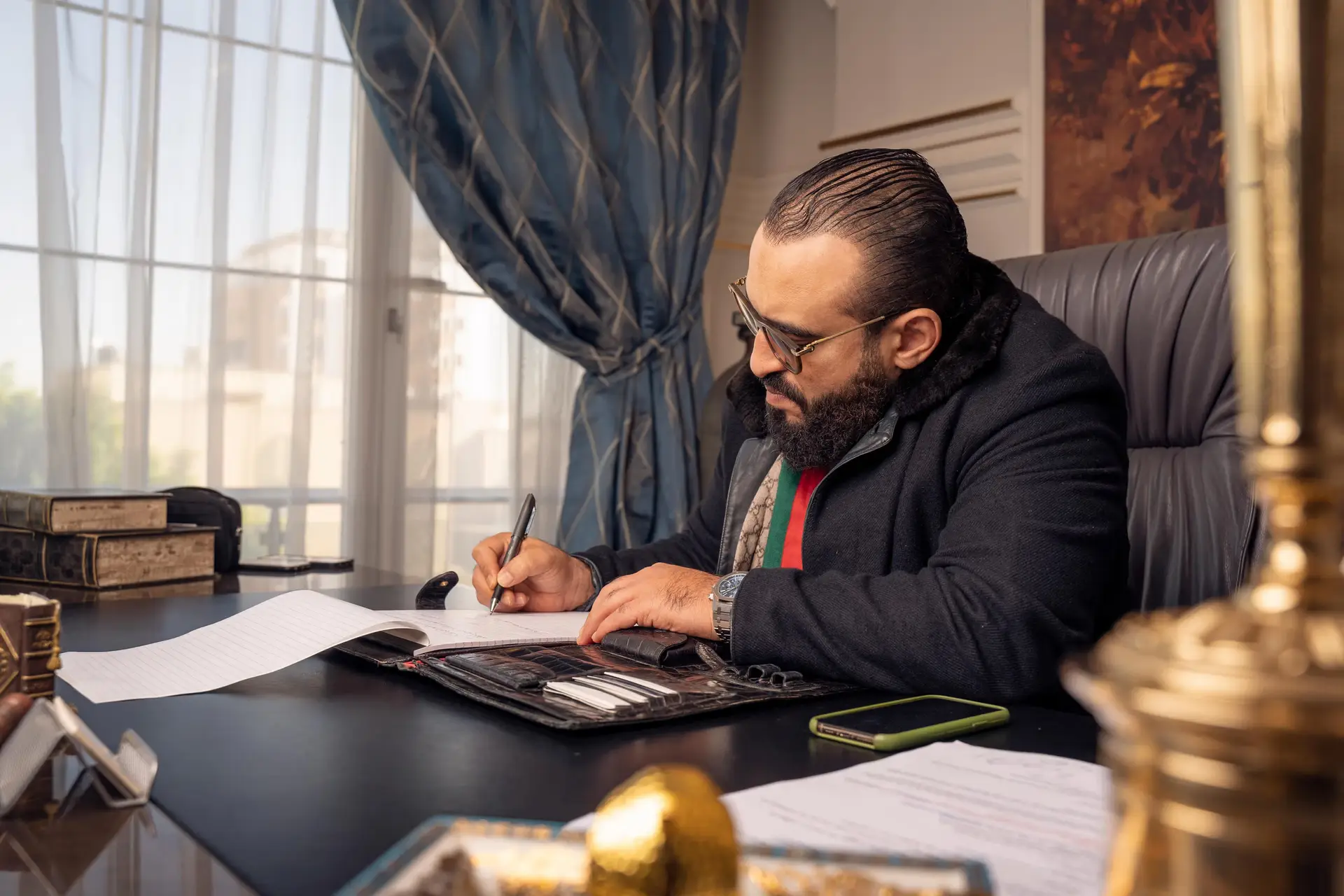
Egyptian Foreign Minister Badr Abdelatty inaugurated Egypt’s reopened embassy in Tripoli on November 7, 2026, ending a 12-year closure caused by security concerns. The event marks the first visit by a top Egyptian diplomat to the Libyan capital in five years and signals a calibration of Cairo's foreign policy in North Africa.
Since the overthrow of Muammar Gaddafi in 2011, Libya has been split between rival administrations operating in Tripoli in the west and Tobruk and Benghazi in the east. Cairo had previously aligned itself almost exclusively with eastern commander Khalifa Haftar and his self-styled Libyan National Army (LNA). Egyptian analyst Hazem al-Rayes stated that Cairo's decision to reopen its diplomatic mission in Tripoli reflects an effort to balance its relations across Libya's political divide.
Cairo's diplomatic pivot comes amid broader regional realignments affecting the Libyan conflict. In July 2026, Turkey and Haftar’s LNA reached agreements on military training, surveillance systems, and facility development, while LNA deputy commander Saddam Haftar held high-level talks in Ankara and Doha. Concurrently, Libyan political factions signed a "4+4 agreement" setting out a roadmap for potential presidential and parliamentary elections within two years.
Economic and strategic interests have also driven Egypt's diplomatic outreach to the western administration. During his meetings in Tripoli, Abdelatty discussed maritime border demarcation related to the 2019 agreement between Tripoli and Ankara. According to the Egyptian Ministry of Foreign Affairs, Abdelatty stated that Egyptian concerns regarding maritime demarcation in the Eastern Mediterranean must be addressed in accordance with international law. Cairo University professor Badr Hassan al-Shafei noted that direct talks with Tripoli allow Egypt to safeguard its interests in Mediterranean gas and oil exploration while positioning Egyptian firms for participation in Libyan reconstruction efforts.
Cross-border security concerns in neighbouring Sudan have further influenced Egypt's posture, following reports of ties between eastern Libyan forces and Sudan's Rapid Support Forces. Political science professor Elias al-Barouni from Nalut University stated that any durable resolution in Libya depends on internal agreements regarding power distribution, control of national institutions, and the military's future structure. Negotiations over the implementation details of the election roadmap and economic reconstruction plans are expected to continue in the coming months.
Written by Sandy van Dongen sandy.vandongen@alpineweekly.com