Oct 22, 6:01 PM
Democracy Under Duress in Victoria
An escalation in physical attacks and threats leaves Victorian politicians relying on panic buttons as the state rushes to repair its security response.
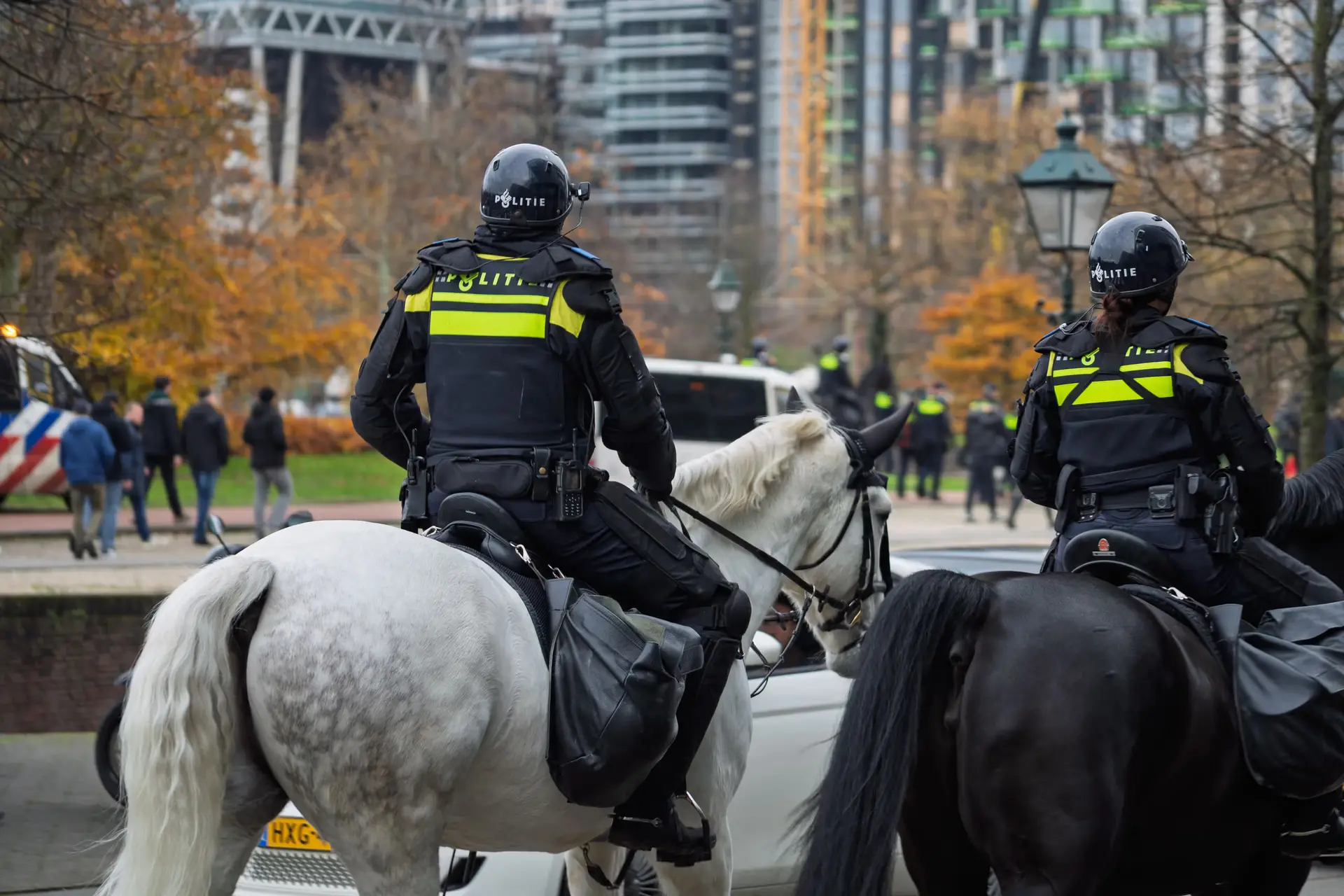
Representation in modern politics increasingly carries an occupational hazard clause. With five weeks remaining until the Victorian state election, the state government finds itself forced to restructure how it protects its lawmakers. An alleged physical assault on federal MP Helen Haines by a constituent in regional Victoria has shattered the comfortable fiction that hostility remains confined to digital vitriol.
The incident triggered immediate reverberations across state parliament. Upper house MP Georgie Purcell was quickly reminded of the political climate when social media users responded to her statement supporting Haines by wishing the attack had targeted her instead. For regional representatives like Annabelle Cleeland, whose electorate of Euroa covers more than 11,000 square kilometres, performing basic parliamentary duties now requires sharing live tracking locations with family and staff to mitigate personal risks.
This volatile environment is not a sudden aberration but the escalation of a well-documented trajectory. Public hostility surged during Victoria's prolonged pandemic lockdowns, highlighted by an effigy of former Premier Daniel Andrews facing a mock execution on the steps of parliament. His successor, Jacinta Allan, encountered severe backlash in rural communities over state infrastructure laws allowing transmission project contractors access to private land without owner consent. Her public events were repeatedly disrupted, culminating in an incident where an attendee held a noose during a speech.
Until now, Victoria has managed threats to state politicians through a fragmented framework, relying on individual complaints to local police stations. This stands in contrast to federal parliamentarians, whose security threats are monitored through a centralised intelligence apparatus by the Australian Federal Police. In response to the latest escalation, Victorian Premier Ben Carroll met with Police Chief Commissioner Mike Bush to announce a centralized monitoring process, with Carroll stating that what has happened must be a turning point for political debate in Victoria and around Australia.
Yet, as candidates prepare for ten days of pre-poll voting where their public locations are entirely predictable, the state’s guidance remains remarkably primitive. Official advice distributed by the Department of Parliamentary Services urges MPs to monitor electorate office access, review CCTV footage, and rely on emergency duress buttons. When democratic representation requires panic buttons and police briefings to survive an election cycle, the state machinery reveals how far it has fallen behind the realities of modern public life.
Written by Andreas Hofer andreas.hofer@alpineweekly.com