Oct 21, 8:01 AM
Curfews and Bayonets: France’s Endless Cycle of Stagnation and Street Chaos
Faced with student protests and weekend rioting, Prime Minister Sébastien Lecornu turns to military boots and union chats.
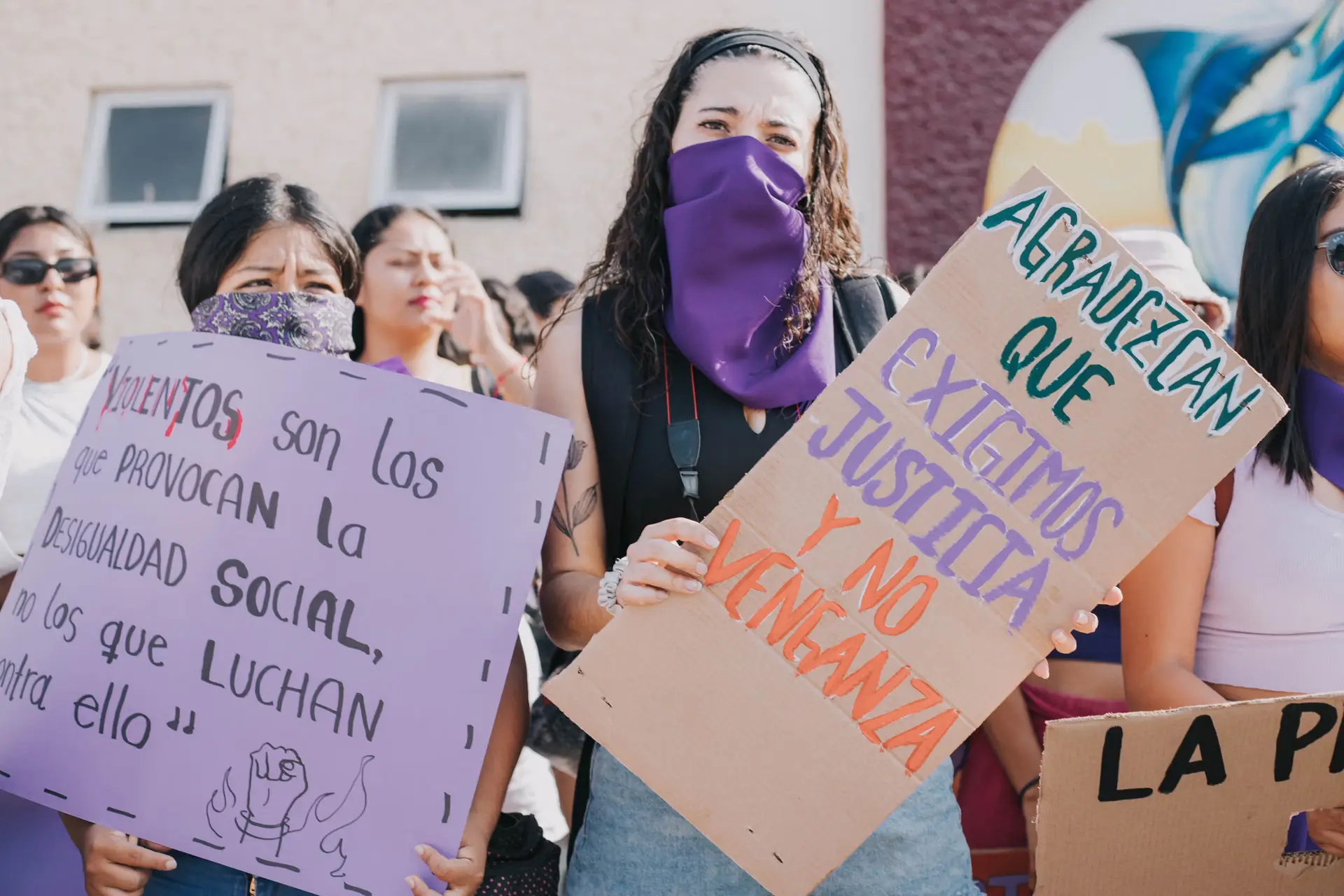
When a government routinely resorts to soldiers and curfews to keep order in its main cities, it is usually a sign that deeper economic mechanics have ground to a halt. In France, this political theatre follows an all-too-predictable script. Following a weekend of destructive looting and street violence, Prime Minister Sébastien Lecornu has summoned trade union leaders for talks on protest security, attempting to contain a wave of unrest that began with high school students.
The immediate response from the state apparatus has been characteristically heavy-handed. City centres in Paris and Lyon were subjected to nighttime curfews following the most destructive rioting the country has seen in years. For upcoming demonstrations, Lecornu announced a massive security operation in which military forces will actively reinforce the police. The Prime Minister laid the blame squarely on radical ultra-left factions, accusing them of executing an insurrectionary plan that transformed grievances over the cost of living into widespread civil chaos.
Yet blaming fringe agitators is an easy escape for an administrative state that constantly struggles with economic sclerosis. When routine protests over inflation and living standards swiftly devolve into urban destruction, the problem extends far beyond a few organized radicals. A system that imposes heavy burdens on its economy while failing to deliver prosperity inevitably produces a volatile public, leaving the executive branch with little choice but to govern by curfew and military show of force.
Summoning union representatives to government offices while stationing troops on urban thoroughfares may temporarily clear the streets. It does nothing, however, to address the underlying economic malaise that fuels these periodic explosions. As France braces for another round of weekend demonstrations, the state once again relies on force to suppress the symptoms of its own structural failure.
Written by Sandy van Dongen sandy.vandongen@alpineweekly.com