Oct 21, 10:01 AM
The Price of Disorder: State Failure on the Streets of Paris
An immigrant entrepreneur sees a decade of hard work destroyed in hours, while the French government responds with state handouts instead of public safety.
For ten years, Hassan did everything the modern French state theoretically expects of its taxpayers. Having arrived from Bangladesh in 2010, he spent years working in hospitality, saved meticulously, and opened a tech and courier shop near Paris’s Place de la République in 2016. On 17 October, that decade of individual enterprise was dismantled in a matter of hours by a mob of teenagers and opportunistic looters. Threatened with physical violence, the business owner was forced to abandon his premises as dozens of rioters cleared out his inventory, leaving behind shattered glass, empty delivery parcels, and crippling overheads.
His situation is far from isolated. Adjacent residential buildings were breached, and across the street, a major Intermarché supermarket was systematically plundered. Yet, while small shop owners and delivery workers try to clear the debris, hard-left activists have attempted to construct a moral hierarchy of criminality. They offer indulgence for the destruction of larger corporations on the grounds that big business represents hated capitalist symbols. To the working people whose shifts are cancelled and whose neighborhood services are wiped out, such ideological hair-splitting offers zero comfort.
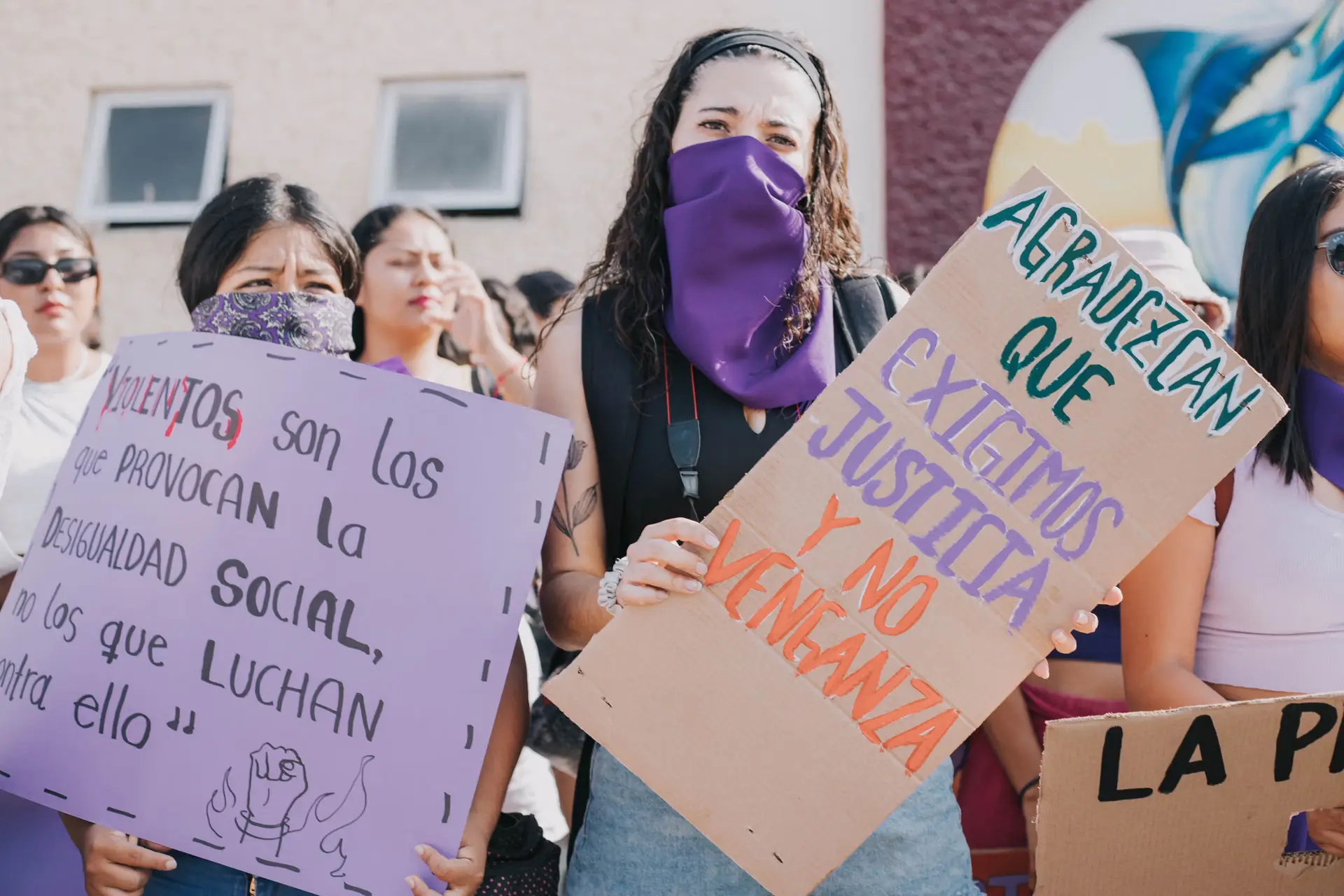
What occurred in Paris reflects a deeper failure of core state functions. The violent escalation followed four weeks of student demonstrations regarding school conditions, which were subsequently joined by trade unions and the yellow vest movement. When public order collapsed on Saturday, the state's security apparatus proved conspicuously ineffective at protecting private property. Shop owners watching real-time surveillance footage of their premises being ransacked were initially barred by police from approaching the area, only to find no officers present when they finally gained access.
True to form, the political response relies on redistribution rather than establishing authority. Prime Minister Sébastien Lecornu promptly announced emergency aid and confirmed that affected businesses could place staff on activité partielle, the state-funded furlough program. Rather than guaranteeing the fundamental right to security and property, the executive defaults to using public money to cushion the damage of unchecked civil breakdown.
With curfews announced and military forces deployed alongside police ahead of further protests on 24 October, the authorities are attempting to reassert control. But for shopkeepers struggling to pay rent and wages while surrounded by broken glass, the underlying pattern remains unchanged: public safety breaks down, political fringe groups excuse the destruction, and the state offers another government scheme as a remedy.
Written by Sandy van Dongen sandy.vandongen@alpineweekly.com