Jun 14, 2:01 PM
Bucharest's Revolving Door: Adrian Vestea Steps Up as Romania's Latest Prime Ministerial Hopeful
The sudden exit of Eugen Tomac forces another frantic executive reshuffle amid a chronic political and economic crisis.
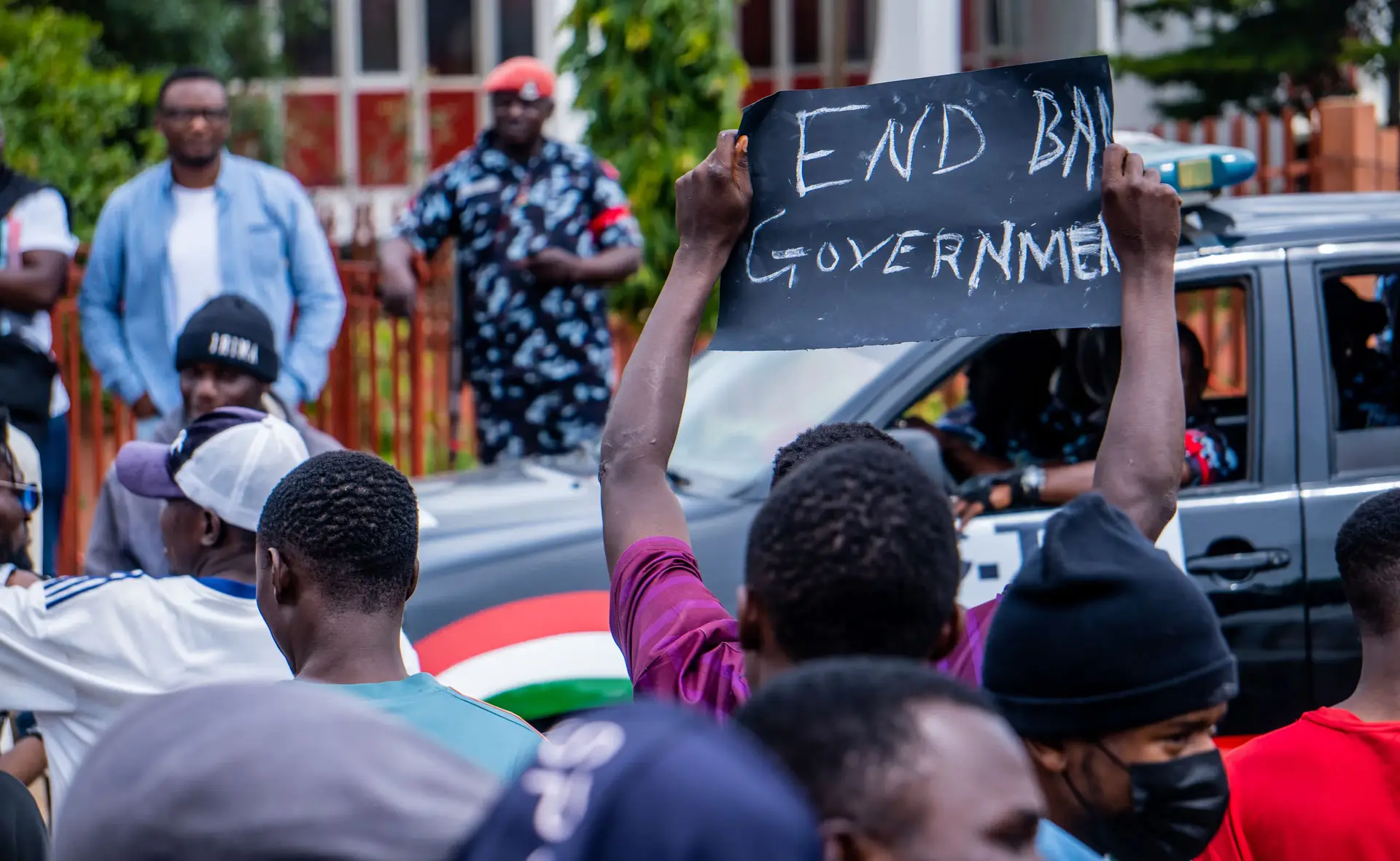
The revolving door of Romanian politics has completed yet another dizzying rotation. Eugen Tomac has abruptly abandoned his bid to form a government, forcing President Nicusor Dan to pull a fresh candidate from the National Liberal Party ranks. Adrian Vestea is the latest figure tasked with steering a country that has been adrift in a profound political crisis since the spring.
Tomac’s sudden departure on Sunday left the presidential office scrambling to project an image of control. Taking to social media, the president announced the shift in strategy. Eugen Tomac resigned this morning, and under these circumstances, I am appointing Adrian Vestea as Prime Minister. Dan was quick to insist through indirect channels that his administration was not treating national leadership as an idle game, framing Vestea’s elevation as a pragmatic political solution forged through urgent party consultations.
This frantic executive reshuffling is merely the most recent symptom of a systemic paralysis that has gripped Bucharest since May. The previous administration, helmed by Liberal Prime Minister Ilie Bolojan, was unceremoniously dismantled by a no-confidence vote. The fatal blow did not come from a principled ideological opposition, but rather from sheer political opportunism. The left-wing Social Democratic Party abruptly abandoned the governing coalition in late April. They then comfortably aligned themselves with a far-right motion to oust Bolojan, justifying their defection by accusing the former premier of failing to deliver genuine reform and demanding a leader capable of collaboration.
Now, the formidable burden of governance falls squarely on Vestea. President Dan has eagerly marketed his new prime minister designate as a pro-Western figure defined by strong values and an open dialogue. More importantly, the president highlighted Vestea’s extensive background in managing public budgets. The new nominee will undoubtedly need every fraction of that financial acumen to navigate the wreckage left by his predecessors.
Romania operates with one of the most bloated government deficits in the European Union. The nation’s fiscal irresponsibility is compounded by its membership in a supranational bloc that routinely proves itself to be a toothless, bureaucratic machine. The EU apparatus excels at generating red tape and expanding its own unaccountable power, yet it consistently fails to enforce basic fiscal discipline among member states. While Romania’s deficit did register a modest contraction from 9.3 percent of gross domestic product in 2024 to 7.9 percent in 2025, the figures remain catastrophic for a country that joined the bloc in early 2007. Vestea inherits a fractured political landscape and a bleeding treasury, while Brussels watches from afar, entirely detached from the economic realities on the ground.
Written by Thorben Thiede thorben.thiede@alpineweekly.com