Oct 18, 10:01 AM
Brussels Scolds, Jerusalem Ignores: The Reality of European-Israeli Alienation
As Israel approaches its election, European leaders mistakenly believe their diplomatic scolding will alter Jerusalem's hard security priorities.
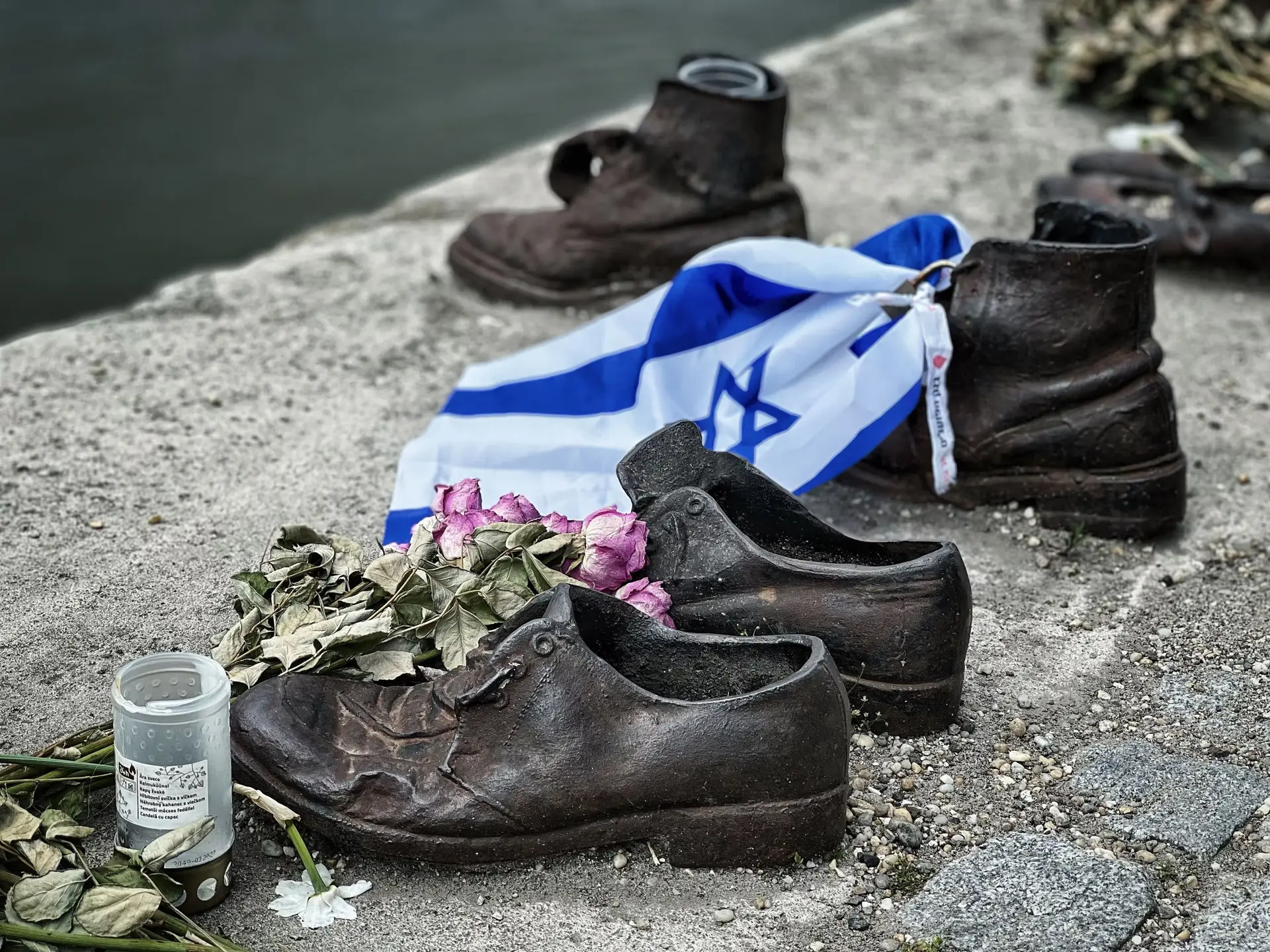
When European Commission President Ursula von der Leyen declared in April 2023 that Europe and Israel were bound to be friends and allies, she was speaking the official language of Brussels: well-intentioned, slightly detached, and profoundly out of touch with geopolitical hard truths. Fast forward to the eve of Israel’s general election on October 27, and that diplomatic friendship has dissolved into open friction. From cultural boycotts to sharp condemnations at the United Nations, European capitals are eager to distance themselves from Jerusalem.
Yet the assumption in European power corridors—that Israeli voters are anxiously awaiting moral instruction from abroad—reveals a fundamental misunderstanding of the electorate. In Israel, where the military campaign in Gaza has claimed at least 74,000 Palestinian lives and reshaped national security priorities, foreign diplomatic standing is barely a topic of debate. The main political fault lines revolve around military strategy against Iran and Hezbollah, domestic living costs, and internal intelligence failures surrounding the October 7 attacks. Whether Prime Minister Benjamin Netanyahu retains power or centrist challenger Gadi Eisenkot gains ground, the strategic consensus remains firm. Eisenkot himself rejects the notion of a Palestinian state, underlining that a change in leadership will not produce the naive policy shifts desired in Western Europe.
This disconnect is reflected in public sentiment. An annual survey by the Mitvim Institute revealed that 67 percent of Israelis regard the European Union as an adversary, while only 14 percent see it as a friend. To an electorate shaped by existential security threats, European scolding—whether from the EU bureaucracy or socialist leaders like Spain’s Pedro Sanchez—is dismissed as detached grandstanding.
Meanwhile, European governments are largely reacting to domestic political pressure rather than executing strategic vision. Polling in the United Kingdom, Italy, and Germany shows public opinion shifting sharply against Israel. Leaders in London recently imposed restrictions on goods from West Bank settlements, while recent attacks on European diplomats near Taybeh drew predictable outrage. However, Brussels’ insistence on deploying diplomatic levers against Israel only highlights the European Union’s institutional weakness. By mistaking bureaucratic declarations for hard power, Europe continues to isolate itself from the hard-headed realities governing Middle Eastern security.
Written by Sandy van Dongen sandy.vandongen@alpineweekly.com