Oct 23, 4:01 PM
Berlin’s Political Class Plays Musical Chairs as Fiscal Pressures Mount
A CDU initiative highlights the capital's persistent inclination toward left-wing experimentation.
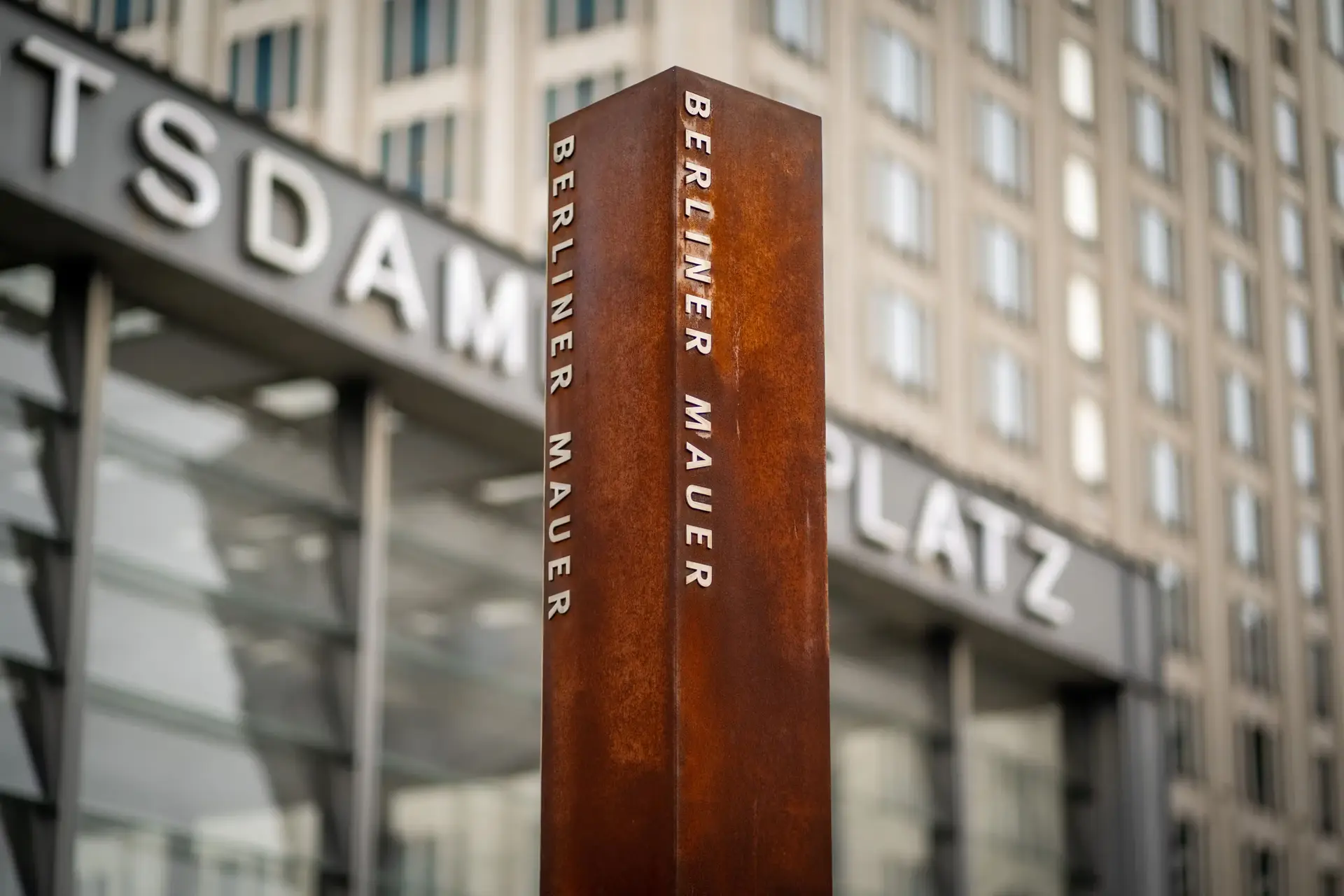
The political landscape in Berlin offers a stark illustration of a city struggling under the weight of its own ideological habits. Following an election that saw The Left take top spot with 25.7 percent of the vote, the CDU found itself relegated to second place at 18.8 percent, closely trailed by the AfD at 16.3 percent, the Greens at 14.3 percent, and a battered SPD at 12.1 percent. With the outgoing CDU-SPD coalition losing its majority, the capital is once again drifting toward familiar political territory.
In a bid to interrupt the momentum toward a Red-Red-Green government, CDU state chairman Stefan Evers has invited top representatives from the Greens and the SPD to a confidential meeting on October 29. Citing the troubling course of ongoing exploratory talks involving The Left, Evers framed the outreach as an effort to build a alliance of responsibility and reason. Notably, The Left was excluded from the invitation list entirely.
The meeting is scheduled for the very day the new Abgeordnetenhaus holds its constituent session, a timing dictated by urgent governance requirements. Berlin's strained fiscal situation, including the necessity of passing a potential supplementary budget, leaves little room for prolonged political gridlock. Yet, the reaction from the invited parties reflects a remarkable detachment from these economic realities.
SPD state leader Bettina König and her Green colleagues were quick to downplay the initiative. While accepting the invitation, they explicitly clarified that these talks do not constitute exploratory negotiations for a new government. König noted that informal contact is routine given their current shared governing duties, while the Greens insisted the meeting merely serves to manage the transition period constructively.
This reluctance to consider alternative options underscores the deeply ingrained political preferences in the capital. Although a coalition between the CDU, Greens, and SPD is mathematically feasible, the Greens made clear early on that their primary objective was to govern alongside The Left. With the Greens and SPD already agreeing to formal negotiations and The Left set to decide at a party congress on October 31, Berlin appears set to double down on ideological governance at the exact moment its financial stability demands pragmatic discipline.
Written by Thorben Thiede thorben.thiede@alpineweekly.com