Oct 25, 5:02 PM
Bandwidth and Barrages in Ukraine's War of Attrition
As aerial strikes hit energy and urban targets, Kyiv's operational focus tilts toward satellite links and radar gaps.
The aerial war in Eastern Europe continues its relentless arithmetic. According to Ukrainian officials, a weekend barrage across multiple regions resulted in four deaths and 28 injuries, highlighting how heavily modern territorial conflict relies on long-range munitions and digital infrastructure alike.
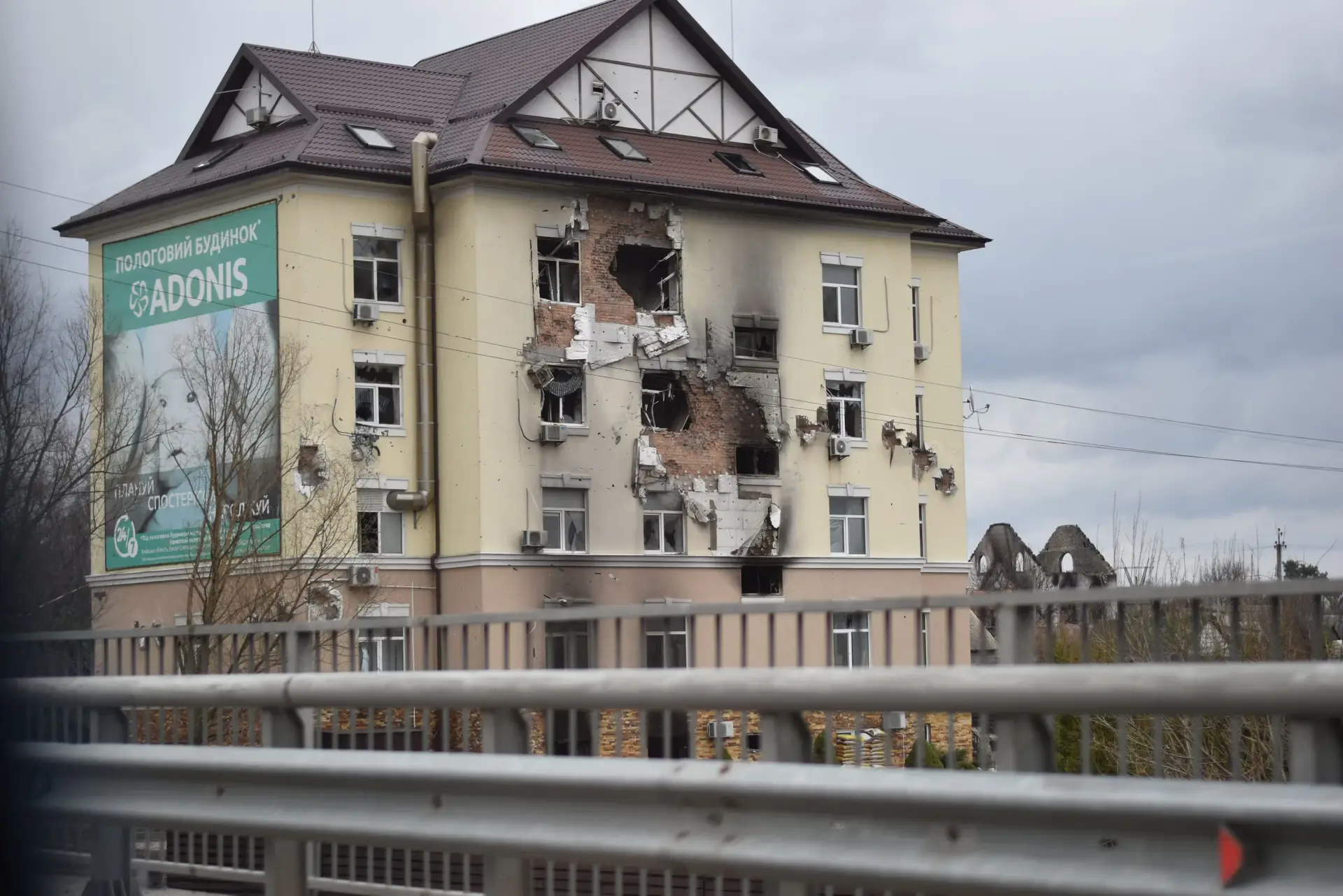
In the eastern Dnipropetrovsk region, local military administration chief Oleksandr Hanzha reported over twenty strikes involving drones and aerial bombs across three districts. The attacks damaged municipal infrastructure in Dnipro city, alongside residential structures and commercial sites in the Synelnykivskyi and Nikopol districts. Further west, in Vinnytsia, six people were injured when a drone struck an apartment building, while Ukrainian President Volodymyr Zelenskyy stated that emergency responders in Kharkiv were injured in a subsequent strike while attending to a damaged hypermarket.
Energy infrastructure remains a focal point in these operational exchanges. Kyiv reported additional overnight damage to a thermal power plant and regional substations. Providing a broader scope of weekly aerial activity, Zelenskyy claimed that Russian forces launched approximately 1,600 guided aerial bombs, 48 missiles, and nearly 2,300 attack drones over seven days.
For its part, the General Staff of the Armed Forces of Ukraine reported conducting counter-strikes against Russian radar stations, command posts, and troop concentrations. Ukrainian military authorities indicated that targeting radar systems creates gaps in radar coverage, expanding the operational reach of Ukrainian unmanned aerial systems across the front lines.
Behind the exchange of guided bombs and counter-strikes lies a less visible, though equally crucial, operational factor: satellite connectivity. Kyiv confirmed this weekend that stable service to Elon Musk’s Starlink network had been restored following recent disputes with Washington. Zelenskyy noted that restored data transmission speeds were critical for frontline logistics and drone defense. Modern military capability, it appears, remains bound to transatlantic bandwidth.
Written by Sandy van Dongen sandy.vandongen@alpineweekly.com