
Oct 25, 5:01 PM
High-Tech Shade Over Swiss Vines
A pilot project in Basel-Landschaft tests solar panels in viticulture, balancing grid pressure against scorched grapes.
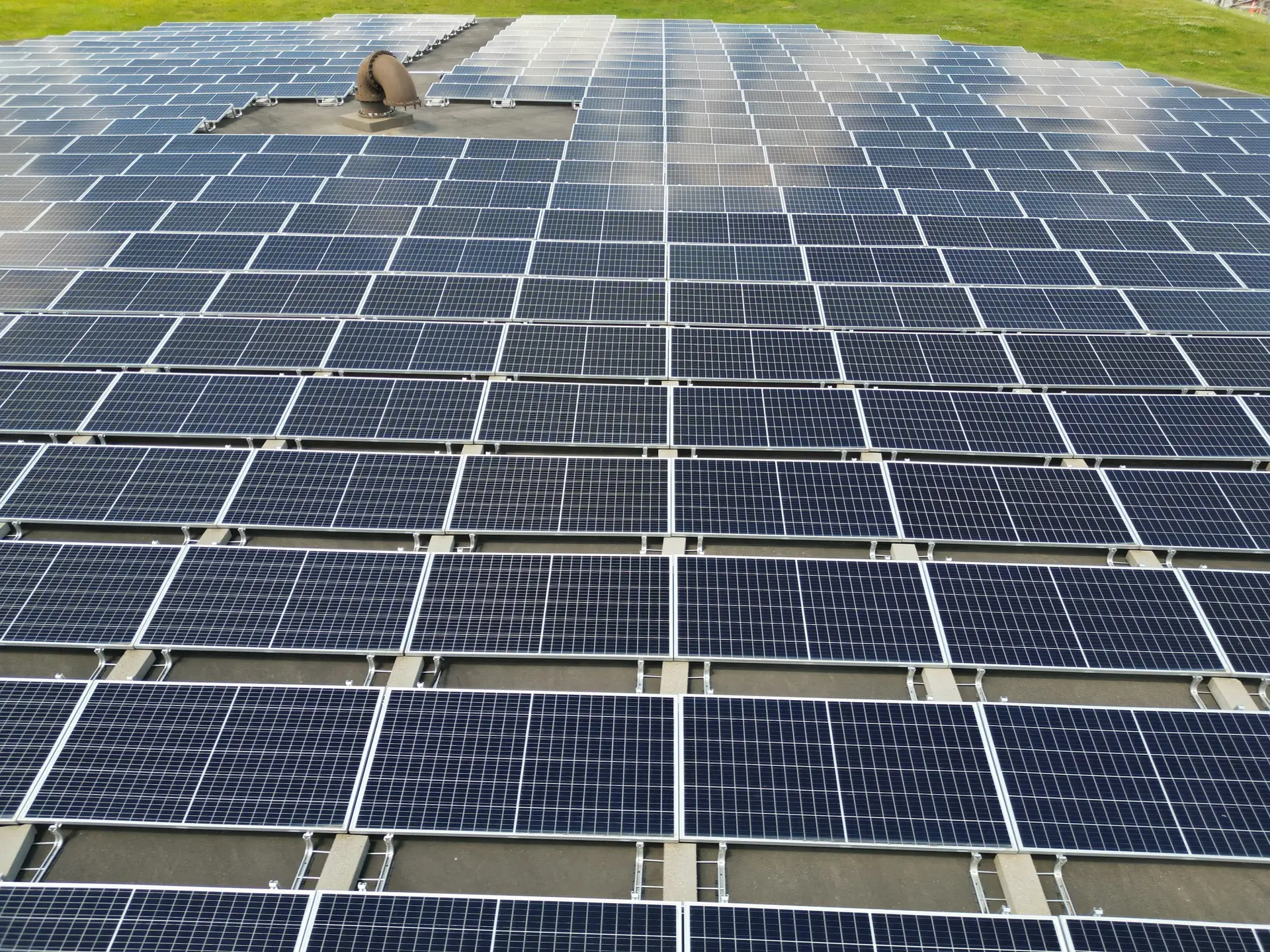
Decades ago, vintners in German-speaking Switzerland spent their summers praying for enough sunshine to ripen their crop. Today, high above Sissach in the canton of Basel-Landschaft, they are actively building shade. A 250-square-meter pilot project on the Zelglihof estate has introduced agri-photovoltaics to Swiss viticulture for the first time, mounting dark solar panels directly over rows of grapevines.
The setup reflects a shifting climate reality described by Urs Weingartner of the regional viticulture advisory service for Basel and Solothurn. Excess heat dries out the soil, scorches fruit, and degrades the vital aromatic compounds that define fine wine. According to Linnéa Hauenstein from the Research Institute of Organic Agriculture in Frick, artificial shading cuts evaporation from both soil and vines while tempering heat stress, preserving delicate flavors that would otherwise decompose in scorching weather.
The project relies on light wooden and steel structures supporting eight distinct module arrangements. Beyond protecting the fruit from intense heat and sudden hail, the installation doubles as a localized power plant. Stephan Jurt of energy supplier Elektra Sissach notes that vertically aligned panels generate power primarily during the morning and late afternoon hours, avoiding the dreaded surge in midday electricity supply that plagues conventional solar arrays.
Since launching in May, the Sissach installation has generated 5.75 megawatt-hours of electricity—roughly one and a half times the annual consumption of an average four-person household. Yet, innovation comes with unglamorous trade-offs. The local winemaker, Daniel Wiedmer, acknowledges that the overhead panels render automated shoot-trimming impossible, forcing vineyard workers back into manual labor.
Visual aesthetics remain another point of contention, as a metallic canopy across a scenic hillside hardly fits traditional notions of rural romanticism. Scheduled to run through November 2028, the trial draws on early insights from German research and previous Swiss trials in fruit growing. Whether Swiss consumers and grid operators are willing to accept cluttered landscapes for the sake of climate-resilient Pinot Noir remains an open question.
Written by Martina Kirchner martina.kirchner@alpineweekly.com