
Jun 12, 2:04 PM
A Transalpine Tragedy and the Theatre of Outrage
Why a simple restaurant license in the Swiss Alps has provoked a diplomatic media storm in Italy.
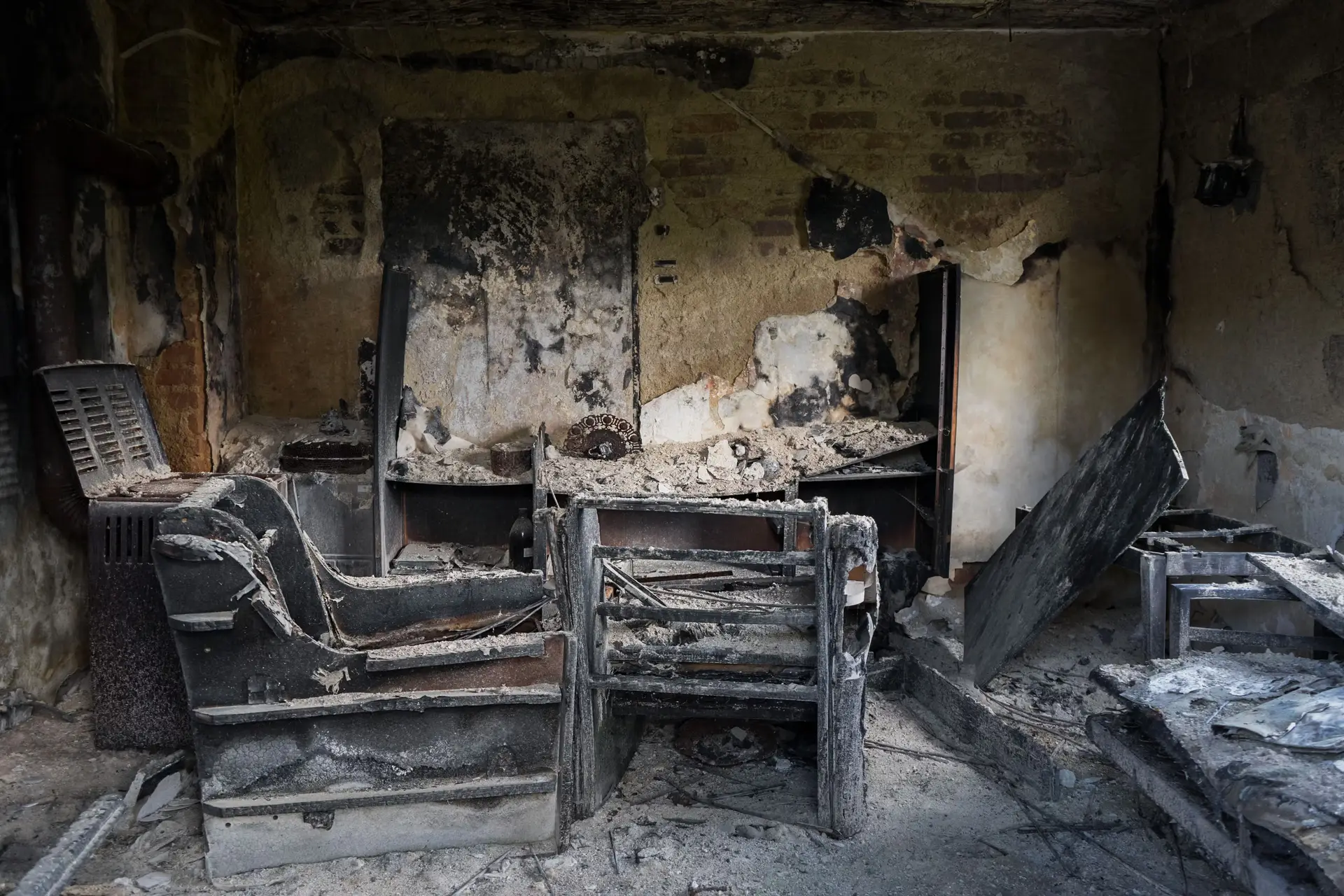
Six months after a fatal New Year's Eve fire in the Swiss Alps claimed the lives of six Italian nationals, a predictable clash of national characters is unfolding. On one side sits the famously pragmatic, perhaps slightly cowardly Swiss bureaucracy. On the other stands the Italian state apparatus, which often substitutes television theatrics for functional processes. The trigger for this latest transalpine friction is a simple business license application.
Jacques Moretti and his wife are attempting to reopen two gastronomic establishments: the Senso in Crans-Montana and the Vieux Chalet in neighboring Lens. Having spent half a year without income while supporting two small children, their motivation is sheer financial survival in a country known for its wealthy economy but unforgiving cost of living. Moretti declined to comment publicly to the broadcaster RTS. Local authorities in Lens are handling the matter with typical Swiss detachment. Unwilling to be drawn into an emotional debate, the municipality insists the application is merely a standard dossier undergoing the usual checks. It is the kind of modest, rule-abiding response expected from a nation that prides itself on friendly administrative order.
Across the border, the reaction is entirely different. Italy, a nation whose citizens frequently suffer under a crumbling domestic infrastructure, has a deep cultural affinity for prosecuting tragedies on television. Italian media outlets have seized upon the Morettis' business plans, whipping up a storm of public outrage. The Italian ambassador to Switzerland, Gian Lorenzo Cornado, eagerly stepped into this media spotlight. Appearing on the state broadcaster RAI, the diplomat floated the idea of a multinational petition. He urged Swiss, French, and Italian families, alongside the residents of Lens, to block the Vieux Chalet from ever serving another meal.
To understand the Italian strategy, one only needs to listen to its chief envoy. Cornado explicitly praised the press for keeping the spotlight on the Crans-Montana tragedy, stating officially: We must continue to draw attention to this matter; only in this way will we achieve justice. This is a remarkable admission. It suggests a belief that justice is not a matter for courts, but a product extracted through media pressure. While no actual petition has materialized, the ambassador's television appearance achieved its primary goal: feeding the Italian public's appetite for true crime narratives.
The tragedy of the victims is undeniable, yet the ensuing spectacle reveals much about the actors involved. The Italian state, highly skilled at living off its passionate reputation, uses the media to project an image of relentless victim advocacy. Meanwhile, the Swiss authorities retreat behind their paperwork, hoping the storm will pass. The Morettis simply want to earn a living again. Whether a restaurant in Lens opens will hardly deliver the justice the Italian television audience demands, but it provides a convenient script for the evening news.
Written by Freya Stensrud freya.stensrud@alpineweekly.com