
Oct 26, 5:01 PM
Woodside’s Offshore Ambition Hits the Wall of Australian Bureaucracy
High-tech safety promises and explosive shear rams fail to clear the regulatory hurdle for the massive Browse gas project.
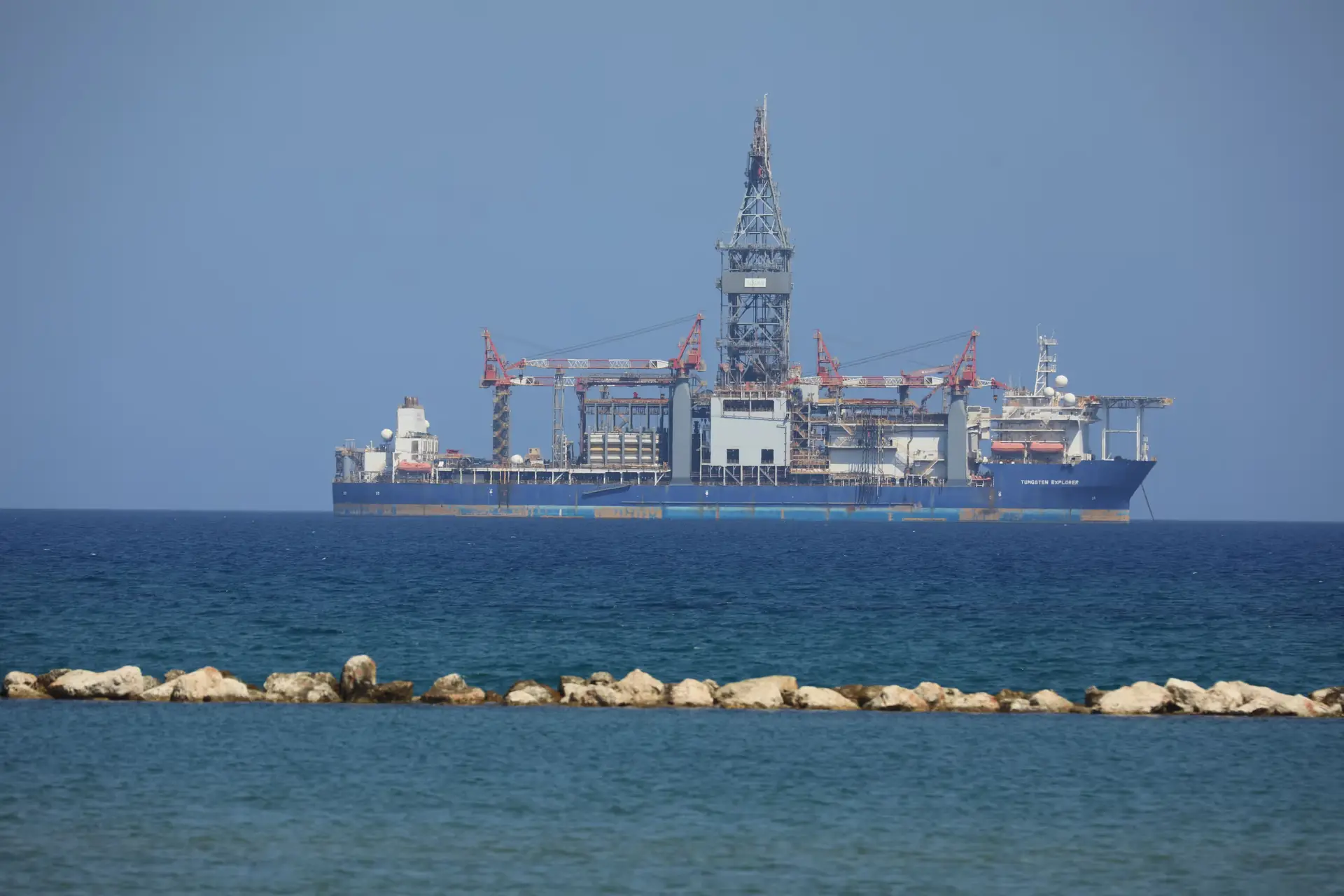
An offshore energy ambition of vast proportions has met the unyielding machinery of environmental regulation off the coast of Western Australia. Woodside Energy, the country’s premier fossil fuel operator, has found its multi-decade plan to extract gas from the Browse basin stalled after state watchdogs raised stark warnings over irreparable ecological fallout. At stake is not merely a major industrial asset, but an intricate maritime landscape supporting over 1,500 species around Scott Reef.
The economic calculus for Woodside remains straightforward. Having secured permissions to run its North West Shelf export processing facility until 2070, the firm requires fresh feedstock to justify the infrastructure. Browse represents Australia’s largest undeveloped gas reserve. The development demands drilling more than 50 offshore wells and constructing a 1,000-kilometre pipeline to transport the resource back to shore—an enterprise projected to generate roughly 88 million tonnes of carbon dioxide emissions annually upon combustion.
Yet, bureaucratic assessment mechanisms have slowed the momentum. Behind closed doors in late 2023, the Western Australian Environmental Protection Authority considered internal advice advocating for the precautionary principle. By February 2024, the watchdog formally communicated a preliminary stance to reject the proposal. The assessment highlighted grave dangers: seabed subsidence threatening Sandy Islet—a critical breeding ground for roughly 1,000 green turtles annually—alongside physical disruptions to migrating pygmy blue whales and the catastrophic prospect of an offshore oil leak.
Corporate engineers responded with technological guarantees. Woodside integrated explosive-driven shear rams into its drilling apparatus, asserting the devices could seal a damaged well within seconds and limit a blowout duration to 12 hours. The company also established a 20-kilometre exclusion zone around Sandy Islet and agreed to restrict gas flaring. However, such technical fixes have drawn skepticism, even from within the sector itself. In 2024, rival gas exporter Chevron publicly declined to adopt pyrotechnic shearing technology for its own operations, describing it as unproven and impossible to test under real field conditions.
Meanwhile, the assessment process moves through typical administrative delays. The national regulatory authority has paused its official decision clock while awaiting further technical advice under commonwealth biodiversity laws. At the state level, the board overseeing the file has transformed; only two of the nine current members were present when the initial rejection notice was drafted. State EPA Chair Darren Walsh indicated that final recommendations would eventually reach WA Environment Minister Matthew Swinbourn, triggering a three-week public appeal window before any definitive political decision is taken.
Written by Thomas Nussbaumer thomas.nussbaumer@alpineweekly.com