
Aug 6, 6:01 AM
When the Alps Run Dry: Switzerland's Bureaucracy Cushions the Climate Blow
The federal government deploys tariff cuts and subsidy waivers to shield its domestic agricultural sector from a severe drought.
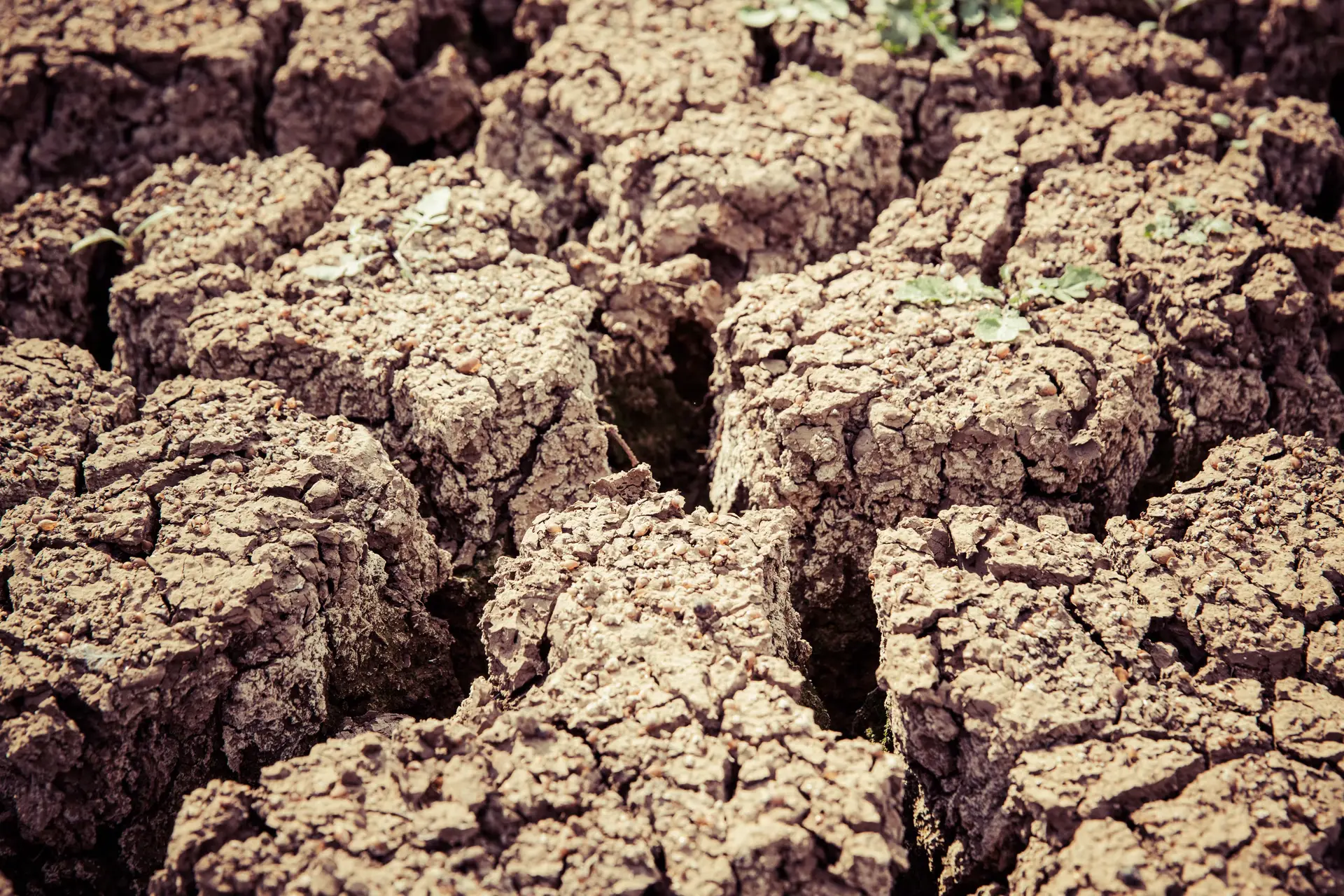
When the Swiss sun beats down relentlessly and the Alpine pastures turn brown, the country's well-oiled administrative machinery reliably shifts into gear. A severe drought has left the nation's cattle grazing on dust, forcing farmers to dip into their winter feed reserves prematurely. In a country that prides itself on its pristine agricultural heritage and deep pockets, the Federal Office for Agriculture has swiftly answered the July demands of the Swiss Farmers' Association. The state has rolled out a package of emergency relief measures, demonstrating once again the perks of a wealthy, highly functioning bureaucracy that rarely leaves its citizens to face the elements alone.
The immediate response involves a delicate tweaking of the nation's protective economic borders. Since the first of August, hay can be imported duty-free, and tariffs on feed corn are scheduled to be slashed by mid-month. The state is also turning a blind eye to its own rigid subsidy requirements, ensuring farmers receive their full direct payments even if their herds spend less time on scorched pastures than usually mandated. Cantonal authorities have been granted the flexibility to interpret these rules, while also offering interest-free loans to agricultural businesses facing liquidity bottlenecks. The federal government has even promised to participate in crop insurance premiums in future seasons.
Yet, tinkering with import duties only works if there is actually something to import across the border. Markus Ritter, president of the farmers' lobby, praised the government for anticipating the crisis but pointed out that feed prices have skyrocketed internationally, with foreign availability dwindling just as fast as domestic supply. To counter these market realities, local pragmatism is taking over as farmers' associations in the cantons of Zurich and Schaffhausen set up a digital exchange platform for autumn feed. This scheme encourages arable farms to cultivate catch crops or sell spring-sown grain corn to their cattle-rearing colleagues. It is a characteristically Swiss solution: orderly, locally organized, and reliant on mutual cooperation once the commercial terms are settled.
Perhaps the most fascinating aspect of this rescue operation is its official price tag, as Christian Hofer, director of the Federal Office for Agriculture, claims these measures will not burden the federal budget with any additional costs. The direct payments were already allocated, and the state never budgeted for hay import tariffs in the first place, operating on the optimistic assumption that Swiss grass would always be sufficient. Looking ahead, the administration is leaning on a broader climate strategy to manage future dry spells. This includes funding for new irrigation infrastructure, breeding drought-resistant crops, and promoting soil-friendly cultivation methods designed to increase water retention. It is a comfortable, well-funded vision of climate adaptation, assuming somewhat naively that changing weather patterns will eventually yield to good education, robust infrastructure, and adequate state funding.
Written by Freya Stensrud freya.stensrud@alpineweekly.com