Nov 3, 11:01 AM
Washington Revokes Trade Privileges for South Africa and Rwanda
Donald Trump's decision to strip AGOA benefits highlights the transactional reality of American trade concessions.
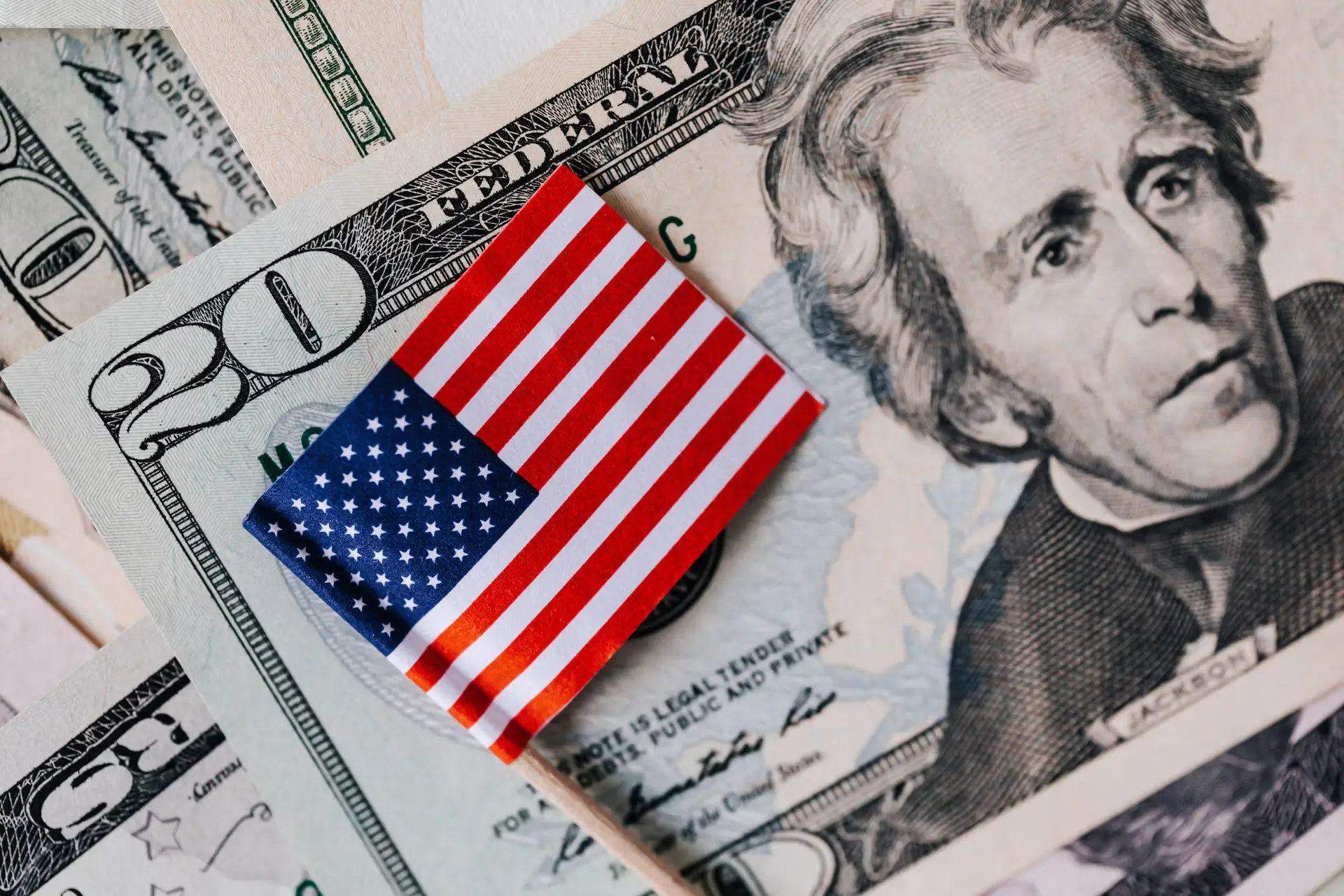
Duty-free access to American consumers is not a permanent right, but a political privilege. Pretoria and Kigali are learning this lesson once again as Washington prepares to tighten the rules of engagement in African trade. US President Donald Trump has formally notified Congress of plans to eject South Africa and Rwanda from the African Growth and Opportunity Act (AGOA), setting an enforcement date of January 1, 2027.
Under the AGOA framework, qualifying African nations export thousands of products to the United States without facing tariffs. However, compliance is monitored through annual evaluations. US Trade Representative Jamieson Greer stated that the latest review determined both governments engaged in practices inconsistent with the program's statutory mandates. Washington explicitly pointed to barriers hindering US trade and investment, alongside broader foreign policy and national security considerations in the region.
For South Africa, economic friction with Washington has been compounding for months. US officials explicitly highlighted governance issues, notably corruption, as grounds for disqualification. Diplomatic relations were already strained following prior accusations from Trump regarding the treatment of South Africa's white minority and the creation of a US asylum initiative for Afrikaners. Responding to the announcement, South Africa's Trade Minister Parks Tau described the decision as unfortunate, maintaining that Washington introduced fresh complaints that never surfaced during bilateral trade talks initiated in 2025. Tau affirmed that South Africa would focus on diversifying its export destinations to preserve domestic employment.
Washington's diplomatic stance was echoed by US Ambassador to South Africa Leo Brent Bozell III, who declared that this was a predictable and preventable outcome resulting from the rejection by South Africa's government of real concerns raised by the US. Meanwhile, Rwanda faces a distinct slate of accusations spanning political pluralism, workers' rights, the rule of law, and human rights. According to the US Treasury, Rwanda's defence ministry deployed thousands of troops alongside M23 rebels operating in eastern Democratic Republic of Congo, supplying them with weaponry, training, and logistical support. Although Kigali has consistently denied supporting the insurgent group, American officials cited the military involvement as a core factor behind the policy shift.
Unilateral trade concessions are effective levers until the grantor decides to pull them. By signaling the termination more than two years in advance, Washington leaves little doubt that alignment with American criteria is non-negotiable. Whether Pretoria's promised market diversification will insulate its exporters before the 2027 deadline is now the central calculation for South African business leaders.
Written by Thorben Thiede thorben.thiede@alpineweekly.com