
Nov 3, 11:01 AM
The Empty Victory of Reclaiming Khartoum
Driving out rebel forces was the easy part; restoring a destroyed capital on a worthless currency is proving far harder.
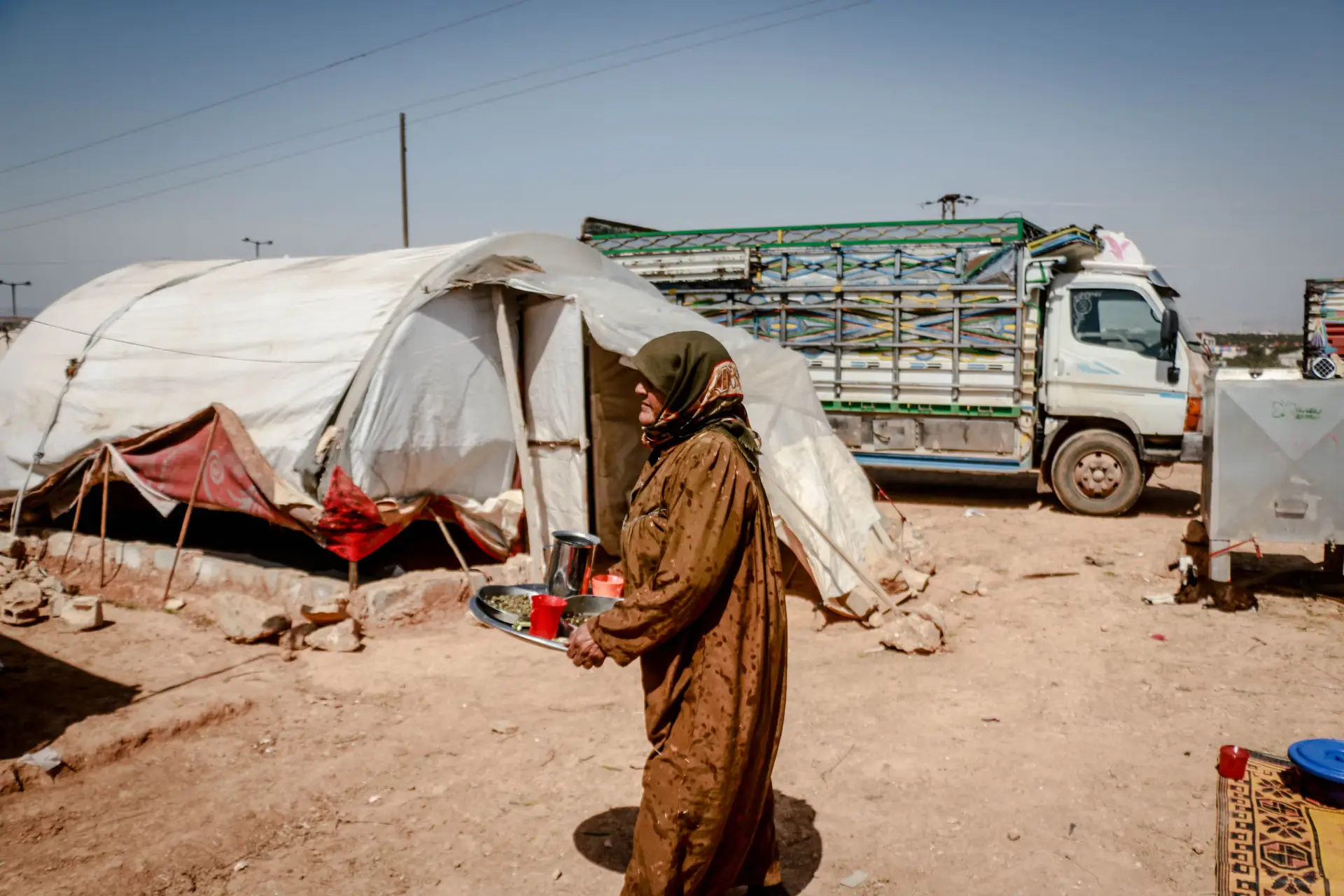
When armies declare victory, politicians tend to promise restoration. In Sudan, where the Sudanese Armed Forces pushed the Rapid Support Forces out of the state of Khartoum, military control has indeed returned. Yet for the roughly 2.5 million displaced citizens trickling back into the capital, liberation feels remarkably indistinguishable from ruin.
Military territorial gains mean little when basic economics collapse. According to data from international tracking bodies, over five million Sudanese have moved back toward their places of origin nationwide, with internally displaced citizens accounting for 82 percent of returnees and children comprising roughly half the total. What awaits them is not a functional economy, but a graveyard of personal wealth.
Returning residents find their homes systematically looted, structural foundations damaged, and essential legal documents lost during months of fighting. Decades of accumulated savings and business capital have vanished, compounded by the steep depreciation of the Sudanese pound. Former traders and self-employed workers who once anchored the local economy now survive on informal day labor, forced to pay inflated rents for temporary shelter because repairing their own property remains financially impossible.
The state's attempts to manage this disaster illustrate the limits of administrative control in a shattered environment. Basic public utilities are virtually non-existent; large swathes of Khartoum remain in darkness, and clean water access is sporadic at best. In response to a paralyzing public transport crisis triggered by severe fuel shortages, local authorities under Governor Ahmed Osman Hamza announced improvisational remedies, such as prioritizing bus refueling and instructing government vehicles to offer citizens lifts on their commutes.
Relying on emergency distributions from international agencies for basic staples like flour and oil keeps families alive, but aid does not generate productive economic activity. Rebuilding a city requires working credit markets, functional infrastructure, and administrative competency. Without these, returning to the capital is merely shifting the geographical coordinate of human misery.
Written by Andreas Hofer andreas.hofer@alpineweekly.com