Aug 6, 2:05 PM
The Subsidized Autonomy: Why Switzerland is Hoarding Solar Power
Plunging battery costs and an overwhelmed grid are driving a surge in private energy storage across the wealthy Alpine nation.
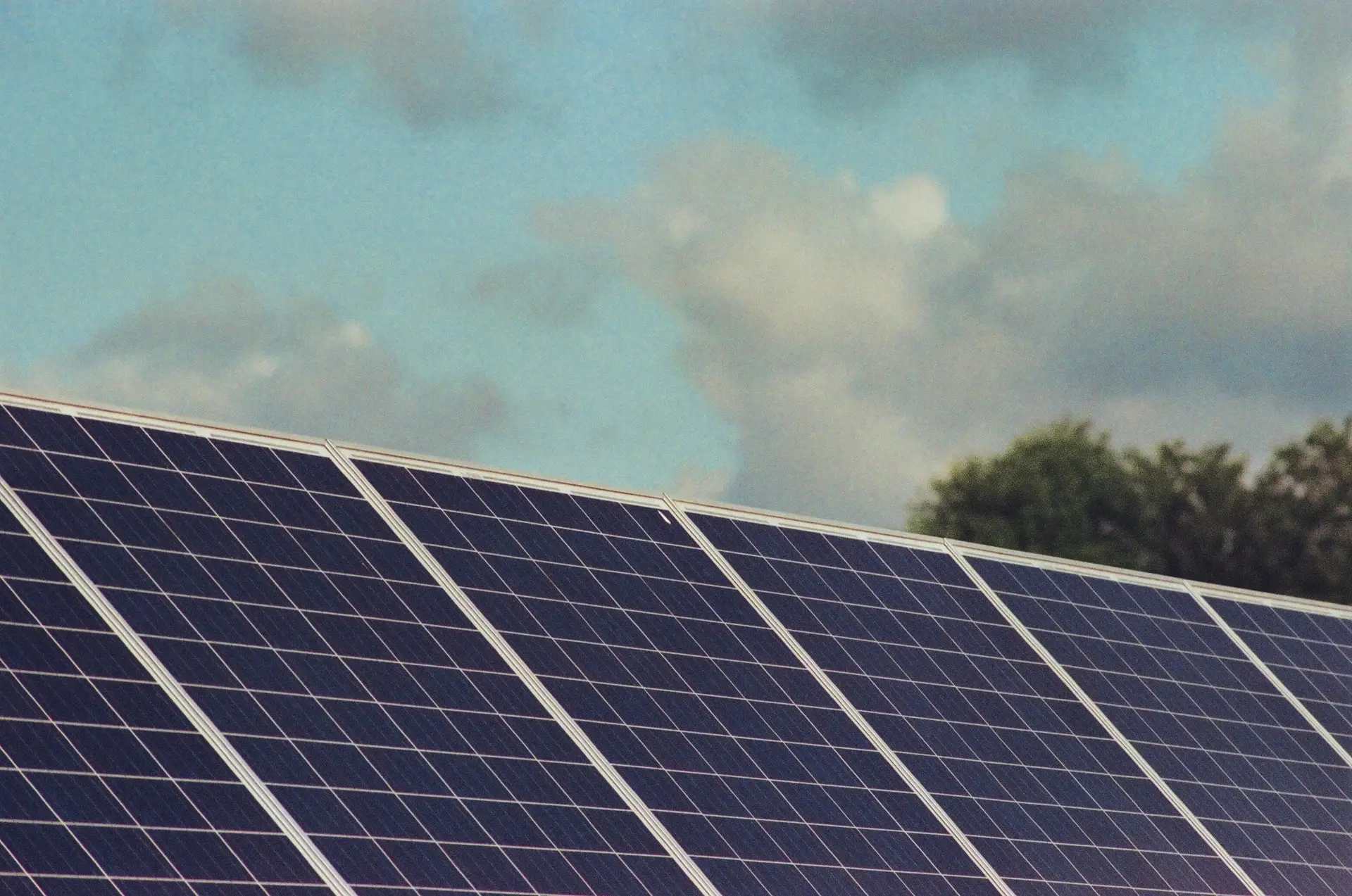
The midday sun over Switzerland is generating more electricity than the nation’s famously efficient infrastructure knows what to do with. According to Swiss Energy-Charts, solar power production in July surged by 43 percent compared to the previous year. This boom is driven partly by an unusually sunny summer, but mostly by a relentless proliferation of photovoltaic panels across the rooftops of the wealthy Alpine republic. The Swiss, possessing the capital to match their ecological ambitions, are embracing solar energy with predictable zeal.
Yet, this enthusiasm creates a logistical headache. Electricity generation peaks at midday, precisely when household consumption slumps. The national grid is increasingly unable to absorb these surges, resulting in wasted energy. The solution to this modern dilemma is found in the basements of private homes: the lithium-ion battery.
Industry representatives see this as an inevitable mechanical shift. Anna Plancherel of the industry association Swissolar notes that the electrical system desperately requires flexibility, as production peaks at noon while household demand spikes later. Storage batteries bridge this gap by capturing the midday surplus. Jérôme Menoud, founder of the solar firm Sungrid, echoes this sentiment, pointing out that energy production and consumption rarely align chronologically, making storage a practical necessity.
However, the current battery boom is not solely a triumph of environmental foresight; it is a product of hard economics. For years, Swiss homeowners enjoyed generous feed-in tariffs, happily selling excess electricity back to the grid. Those rates have now plummeted. Simultaneously, the cost of storage batteries has essentially halved.
The financial calculus has shifted entirely. Hoarding one's own electricity is now significantly more profitable than selling it. Consequently, the regional utility Groupe E reports that roughly half of all new photovoltaic systems are purchased alongside a storage battery, while existing owners are rapidly retrofitting their setups.
Always eager to distribute public funds, the Swiss state apparatus has stepped in to accelerate a trend that market forces were already handling well. Since March, the Canton of Neuchâtel has been subsidizing battery investments by up to 15 percent. Neuchâtel State Councilor Laurent Favre justifies the program as a necessary intervention to relieve the strained grid, noting that the canton received roughly 140 applications in just five months. The goal is to encourage owners to better manage photovoltaic production in order to increase self-consumption, Favre stated, though he conceded these subsidies might eventually be phased out if hardware prices continue to fall. Similar public largesse can be found in municipalities like Payerne and Bulle, as well as through Geneva's industrial utilities.
It is a classic Swiss arrangement: an affluent society utilizing a remarkably efficient state system to subsidize increasingly cheap technology. The Alpine nation may have carelessly compromised its geopolitical neutrality recently, but its citizens are furiously reclaiming their personal energy autonomy, one subsidized battery at a time. The market was already providing the solution, yet the bureaucratic reflex to intervene remains undefeated.
Written by Thorben Thiede thorben.thiede@alpineweekly.com