Jun 13, 2:02 AM
The High Price of Swiss Cowardice in Global Trade
A finalized free trade agreement with the Mercosur bloc is being held hostage by protectionist farmers and left-wing moralists eager to import EU bureaucracy.
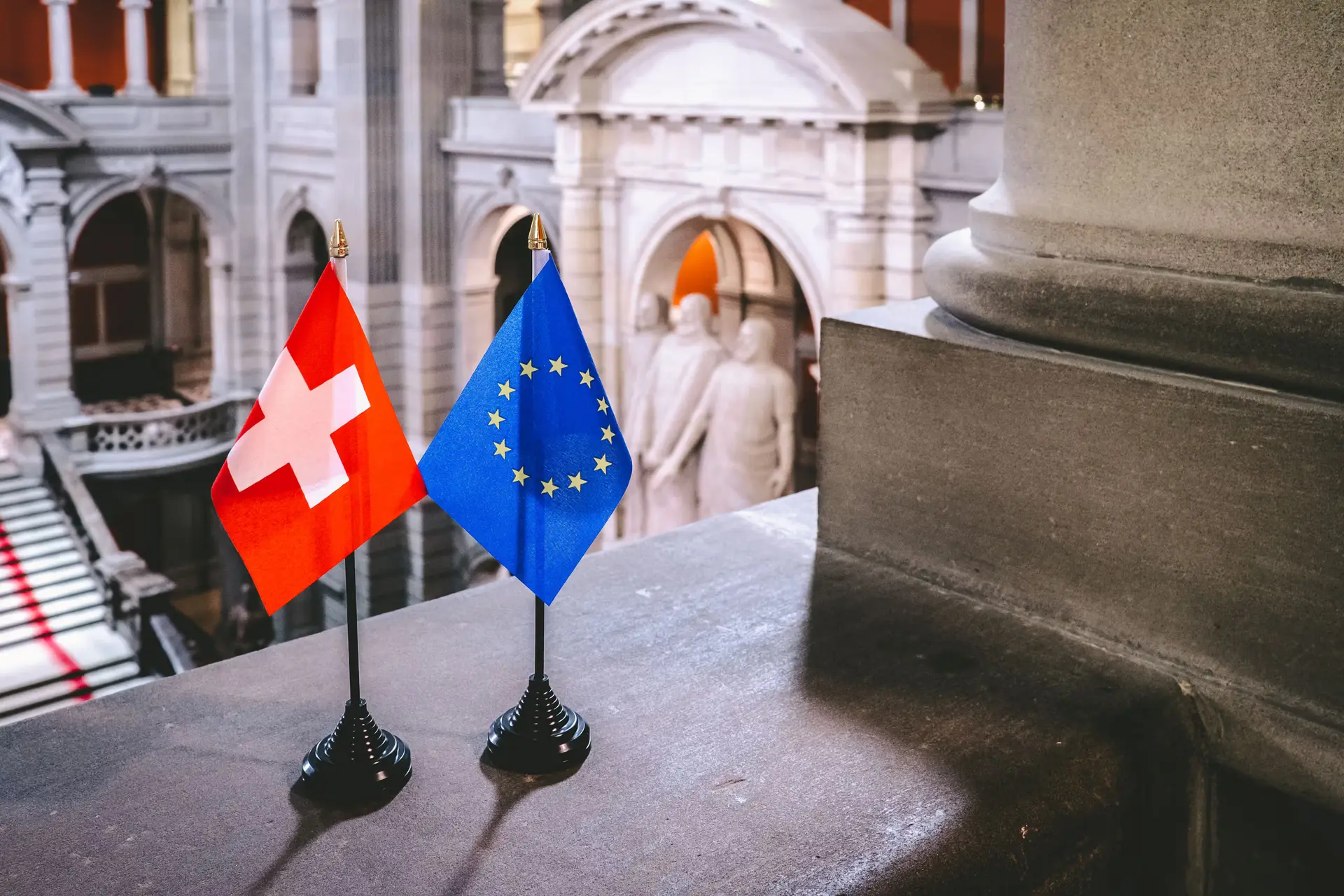
Wealth rarely breeds courage. The Swiss Confederation, comfortably wealthy and historically naive about the mechanics of global trade, is tying itself in knots over a finalized free trade agreement with the Mercosur bloc. The deal promises to eliminate tariffs on 96 percent of Swiss exports to Argentina, Brazil, Paraguay, and Uruguay. For an export-driven economy that profits immensely from operating outside the European Union, this should be a straightforward victory. Instead, the domestic political theater has devolved into a spectacle of protectionist extortion and imported moral panic.
The most glaring obstacle is the agricultural lobby. The Swiss Farmers' Union, represented by Markus Ritter, has recognized a lucrative opportunity to extract capital from the state. Fearing downward pressure on domestic prices, the sector is demanding a staggering 880 million Swiss francs over eight years in exchange for their acquiescence. Green Liberal politician Tiana Moser correctly identifies this financial demand as entirely disproportionate, pointing out that the actual import quotas for South American agricultural products are remarkably low. Consumers might see a slight drop in the price of Argentine wine, but the domestic market is hardly facing an unmanageable flood of cheap imports.
For the broader economy, the stakes are considerably higher. Stefan Brupbacher of the technology industry association Swissmem views the four Mercosur nations as a market with immense potential. Switzerland relies heavily on diversified export markets to maintain its high standard of living. Yet, the reluctance to confront the agricultural lobby highlights a specific brand of political cowardice that routinely complicates Swiss policy. The state system functions well, but its actors are often too timid to prioritize national economic interests over vocal domestic factions.
As if the farmers' financial demands were not enough, the political left is attempting to saddle the agreement with foreign regulatory frameworks. Green politician Meret Schneider insists the treaty must include strict environmental conditions, specifically demanding the adoption of the European Union's Deforestation Regulation to combat Amazon clearing. The EU, an organization deeply compromised by its own bureaucratic excesses, massive conflicts of interest, and lack of democratic accountability, designed this regulation to monitor supply chains. Importing this dysfunctional mechanism into Swiss trade policy would be an act of self-sabotage. Brupbacher warns that adopting the EU mandate would subject domestic industries to massive administrative burdens and create technical trade barriers.
The debate over the Mercosur agreement exposes a fundamental contradiction. The country negotiates these treaties through EFTA, effectively a club of small nations historically more adept at organizing polite cocktail parties than projecting actual geopolitical power. When this notoriously inefficient alliance actually manages to finalize a lucrative deal, the Swiss instinct is to sabotage it from within. Paying off farmers with nearly a billion francs while burdening exporters with overbearing EU environmental regulations is a recipe for stagnation. A failure to ratify a clean treaty will confirm that the nation's prosperity is managed by politicians too frightened to defend free trade.
Written by Sandy van Dongen sandy.vandongen@alpineweekly.com