Oct 22, 10:00 AM
The End of Unpaid Maid Service in Vacation Rentals
Airbnb curtails host chore lists in a overdue rebalancing of the modern hospitality trade
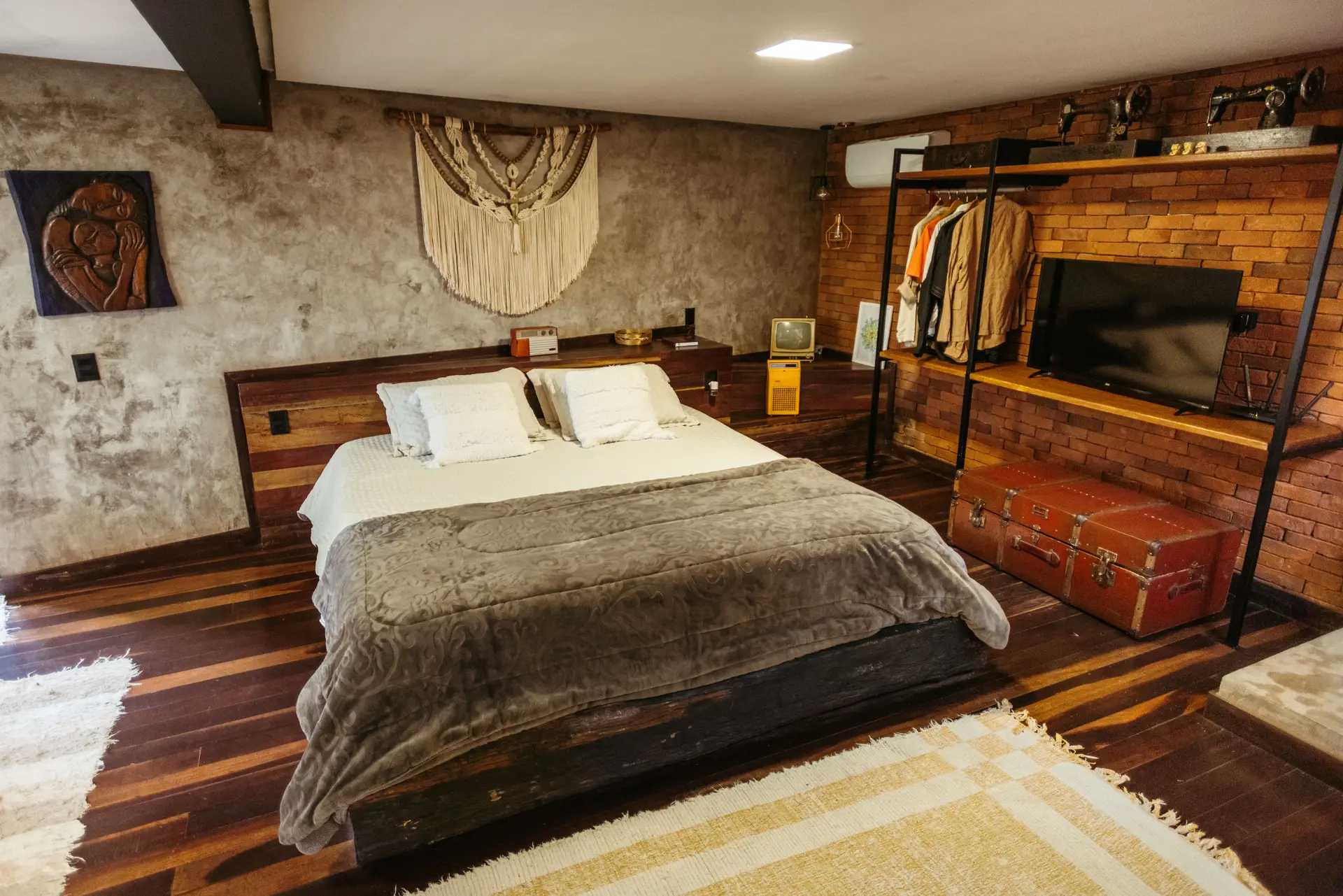
For years, short-term rental platforms have tested the limits of consumer tolerance by asking paying guests to perform the duties of a hotel housekeeping staff. Charging hundreds of dollars for a stay while simultaneously demanding that visitors strip the bed linen and scrub the kitchen counter was always an uneasy balance between market efficiency and sheer nerve. That experiment in unpaid guest labor is now coming to an official halt.
Under a global policy update taking effect on 20 November, Airbnb is formally banning hosts from requiring guests to complete tasks involving significant time or physical effort. The platform has drawn a clear line between reasonable courtesy and cleaner-level labor. Stripping beds, hauling rubbish off the property, and washing and stowing away dishes will no longer be permitted as mandatory checkout requirements anywhere on the network, including in Australia.
The decision addresses a friction point that has irritated customers for years. Long before this policy shift, travelers routinely voiced frustration over substantial cleaning fees that seemed to cover everything except the actual cleaning. The company had already attempted to soften the blow in April 2025 by hiding separate cleaning fee line items and incorporating those costs directly into the total stay price presented to users. Yet the underlying tension remained: if the total bill already accounts for property maintenance, why should the customer be handed a broom?
Under the revised framework, hosts will be restricted to setting seven standard house rules displayed clearly at the time of booking. These core rules cover familiar operational parameters, such as check-in and check-out windows, maximum occupancy, quiet hours, smoking prohibitions, and pet allowances. Any additional requests must be strictly reasonable and justified by local circumstances—such as restricting shower lengths during drought conditions or securing waste in animal-proof containers.
Hosts may still ask guests to place used dishes in the sink, but the expectation to wash and dry them is gone. An Airbnb spokesperson noted that house rules help guests understand what hosts expect, but we’ve heard from our community that they can be confusing, onerous and hard to manage. The company added that the redesign aims to make rules easier to discover and clearer to set, alongside a new policy that keeps requests reasonable, with no surprises.
Whether this standardized approach will fully restore guest goodwill remains an open question for a marketplace that relies on thousands of independent property owners. When a service model relies on host autonomy, eliminating surprise chores is an essential step toward professionalizing the experience. For travelers, the simple luxury of walking out the door without first stripping the sheets is a welcome correction in the hospitality market.
Written by Freya Stensrud freya.stensrud@alpineweekly.com