Nov 3, 9:01 AM
The Deindustrialisation Delusion: Schaeffler Slashes Thousands More German Jobs
As political mandates falter and domestic costs soar, the automotive supplier trims its core and looks elsewhere for survival.
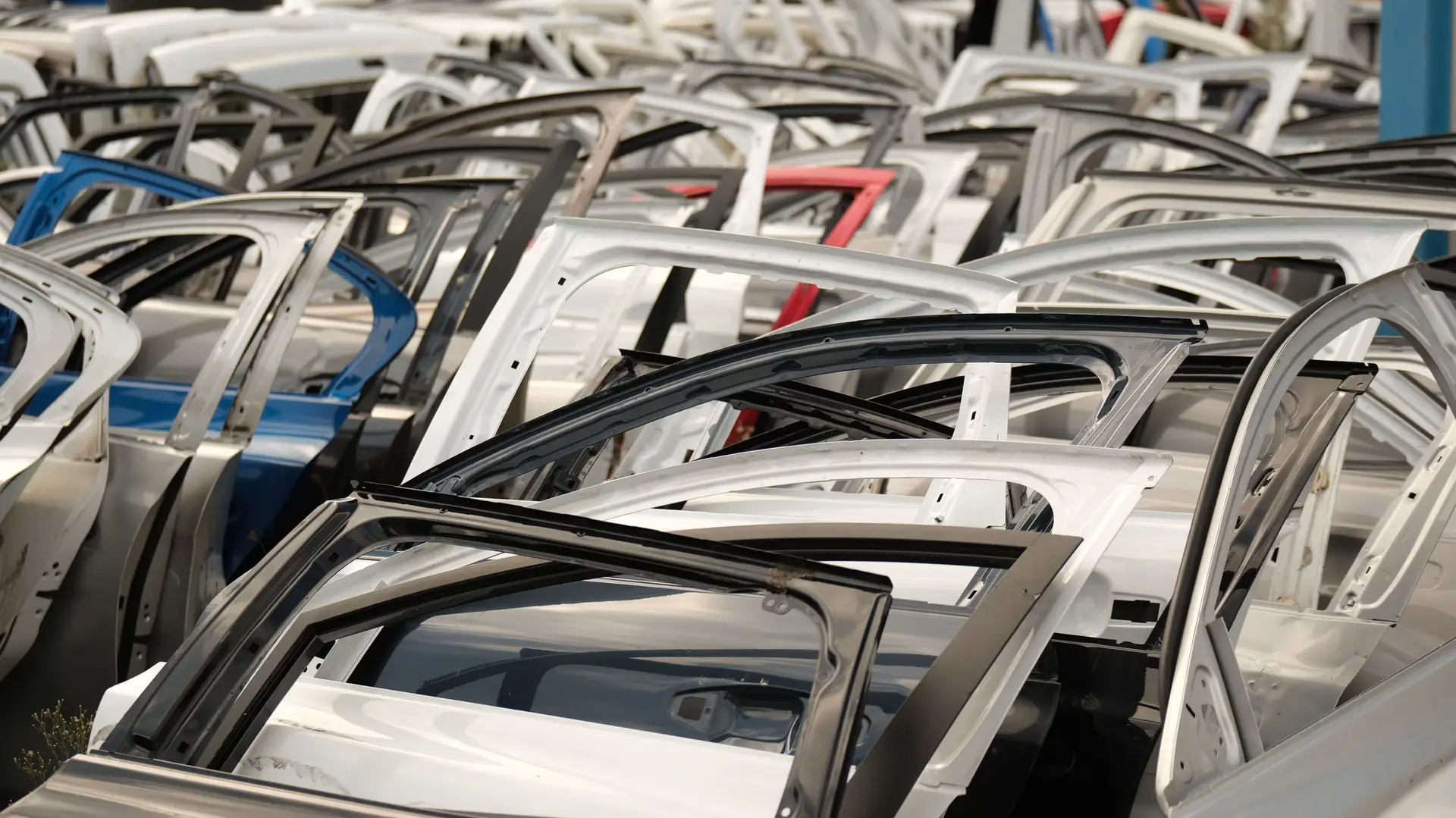
When an industrial pillar like Schaeffler systematically dismantles its domestic footprint, it is no longer a standard corporate restructuring; it reads like a transcript of structural decline. The German automotive supplier’s decision to chop 3,460 positions worldwide, with a staggering 2,660 of those cuts concentrated inside Germany, offers a bleak assessment of the nation's economic landscape. Four domestic production sites are set to be shuttered entirely.
The official narrative behind the decision points to familiar pressures: persistent weakness in vehicle demand, relentless competition from Chinese rivals, and a sluggish rollout of electric mobility. Yet behind these market realities lies the predictable friction of grand political engineering. While traditional combustion engine components face a shrinking market, the forced transition toward electric vehicles has failed to gain the momentum required to keep assembly lines running. The consequence is immediate and painful: development departments and production halls sit partially idle, draining capital.
To secure an annual cost reduction of 300 million euros by 2030, Schaeffler is spending heavily upfront, budgeting approximately 480 million euros for restructuring. Beyond site closures and job cuts, research and development activities are being scaled back, and corporate layers are being trimmed. What makes this phase particularly telling is its relentless pacing. The company only recently completed an earlier wave of cuts—originally announced in late 2024 to eliminate 4,700 European jobs and save 290 million euros annually by 2029—ahead of schedule.
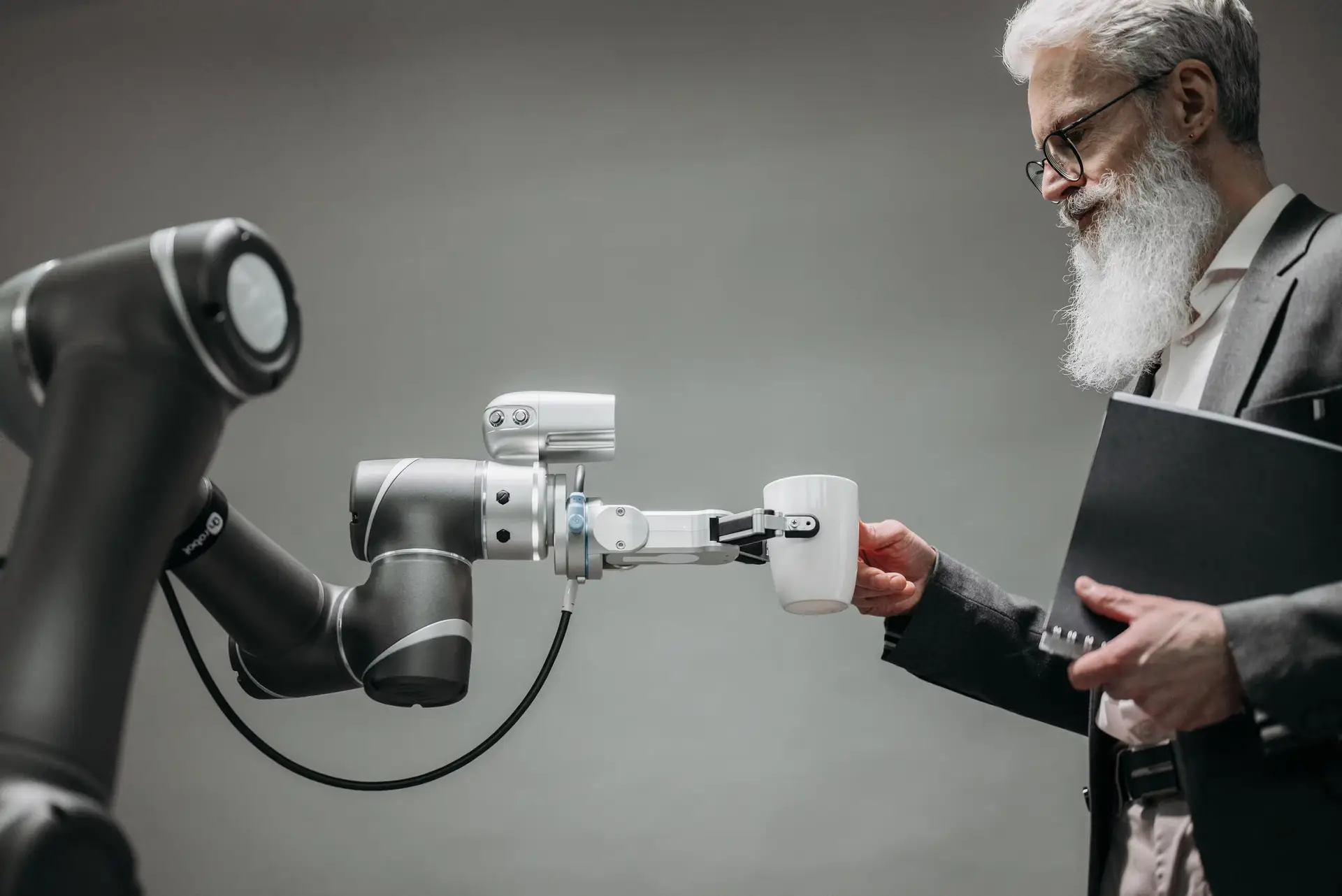
When traditional core operations become untenable under soaring operational pressures and sluggish market uptake, capital naturally seeks alternatives. It is no coincidence that Schaeffler is increasingly looking beyond the automobile, diverting focus toward components for humanoid robotics and the defense sector. When a prime industrial firm shifts its ambitions away from automotive manufacturing, one has to ask how long political leaders can ignore the reality of a shrinking industrial base.
Written by Freya Stensrud freya.stensrud@alpineweekly.com