Oct 28, 7:01 PM
The Cost of Disintegration: Hyper-Debasement in Khartoum
War and monetary collapse force Sudan’s capital into hand-to-mouth survival as basic food prices outpace earnings.
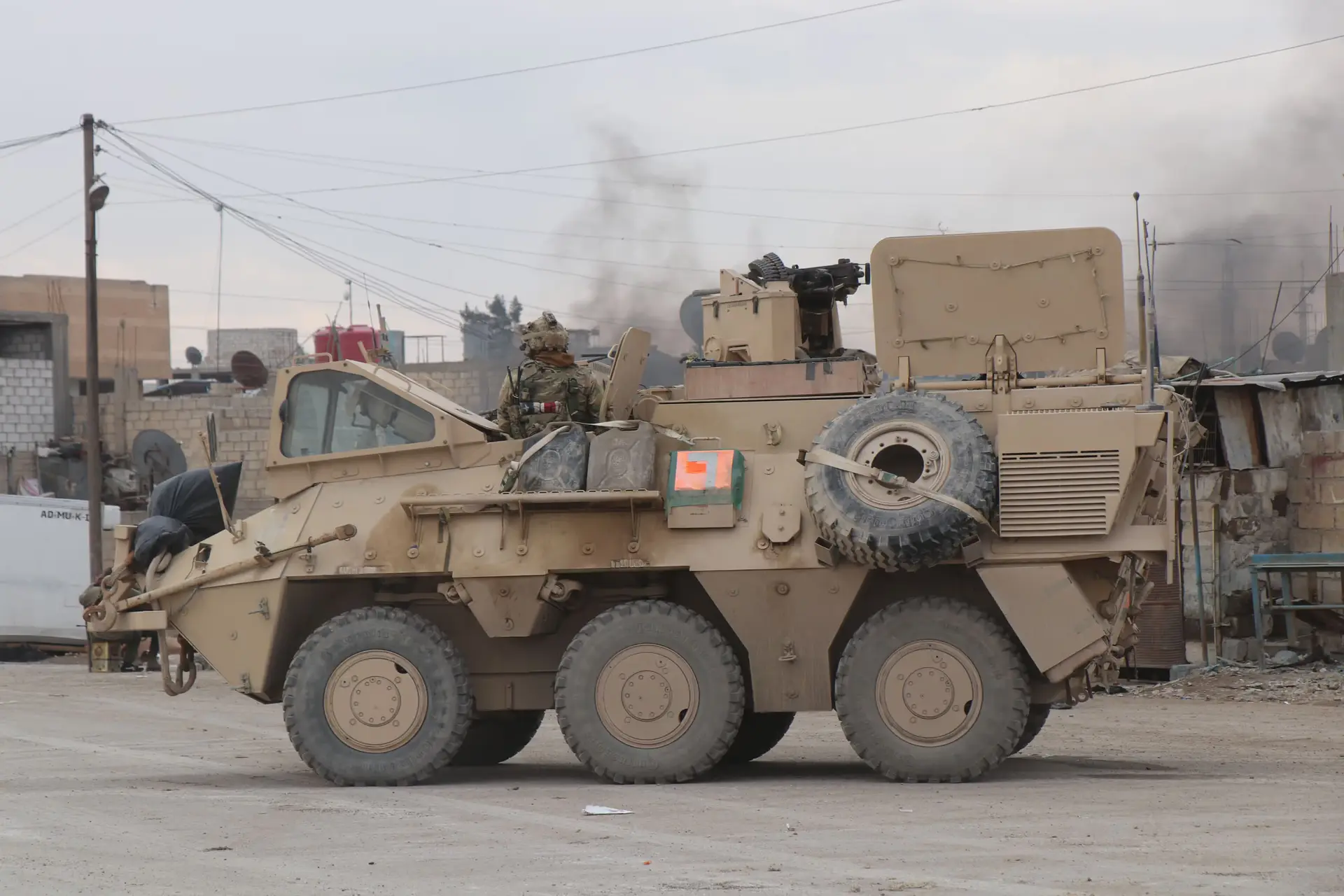
Returning to a liberated capital offers little relief when money itself loses value by the day. In Khartoum, the end of acute fighting in parts of the city has yielded to a second crisis: hyper-depreciation of the Sudanese pound and basic supply failures that render daily survival an exercise in mathematical frustration.
The numbers reveal a rapid debasement of purchasing power. The Sudanese pound traded at 10,050 to the US dollar on the parallel market, tumbling from 9,500 within twenty-four hours. In Khartoum State, overall consumer prices in September ran nearly 60 percent higher than the previous year, driven by a 15 percent single-month surge. Nationally, food and beverage costs escalated by 37 percent year-on-year, with urban centers faring worst—experiencing a 55 percent surge in food prices compared to 21 percent in rural areas.
On the market floor, short-term shifts make planning impossible. A single loaf of bread rose from 300 to 500 pounds within a week. A kilogram of sugar climbed to 10,000 pounds, while cooking oil reached 25,000 pounds per liter. With a basic daily meal budget for small families exceeding 40,000 pounds, individual earnings—often ranging between four and fourteen dollars per day—are regularly wiped out. Workers in the city's markets report taking on growing debt to food vendors, skipping meals, or relying on their children to seek work to cover medical and educational fees.
Economic ruin did not begin when fighting erupted between the Sudanese Armed Forces and the Rapid Support Forces in 2023. Structural vulnerabilities run deeper, starting with the loss of oil revenue following South Sudan's 2011 secession, compounded by years of corruption under Omar al-Bashir, international isolation, and persistent cash deficits. War simply accelerated the breakdown. According to World Bank figures, Sudan's economy contracted by 29 percent in 2023 and another 14 percent in 2024. Meanwhile, internal displacement reached nearly 8.9 million people by April, and recent returnees to Khartoum face damaged infrastructure, elevated transport costs, and severe fuel shortages.
Economic analyst Khalid Teks noted that households have largely depleted their savings and sold off personal assets, while international remittance channels remain hampered. Moreover, concerns over limited seasonal rainfall threaten the harvest. Teks has advocated for targeted relief through mechanisms like the Zakat Chamber, expanded humanitarian access, and low-interest microfinance to reignite small workshops and local trade. Yet without basic monetary stability, Khartoum's residents remain squeezed between war and hyperinflation.
Written by Sandy van Dongen sandy.vandongen@alpineweekly.com