Oct 24, 4:01 PM
Sudan’s Bureaucratic Bottleneck: How State Rules Deepened an Energy Crisis
As civil war destroys infrastructure, government red tape completes the economic strangulation of ordinary Sudanese.
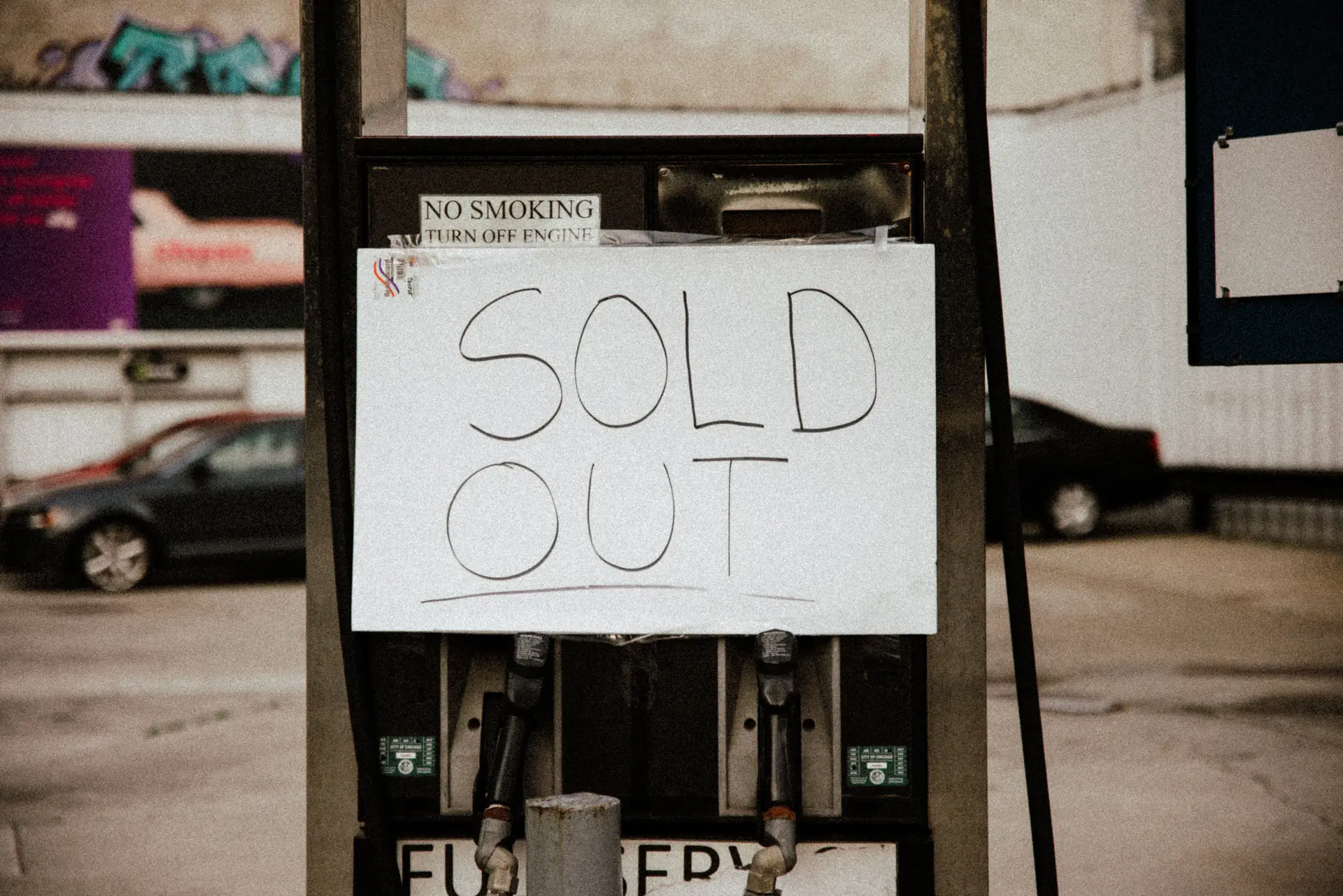
In the chaotic economic wreckage of a war-torn nation, few things illustrate official incompetence quite like demanding a hoard of gold before allowing petrol to enter empty fuel tanks. As Sudan enters another month of destructive civil war, its citizens are learning that while artillery destroys oil pipelines, heavy-handed state regulation can just as effectively choke what little remains of the market.
The immediate symptoms of Sudan’s energy collapse are everywhere. The Transport Chambers Union recently sanctioned a 40 percent increase in intercity bus fares and a 30 percent surge for local minibuses. In Port Sudan and Gazira State, fuel prices have spiralled beyond the reach of average workers, turning daily commutes into exercises in financial exhaustion. A journey to work now routinely swallows nearly half of a worker's monthly wages, while drivers spend entire workdays idling in multi-hour station queues rather than earning a living.
While the fighting between the Sudanese Armed Forces and the paramilitary Rapid Support Forces since April 2023 has caused undeniable devastation—with the Ministry of Energy and Petroleum estimating war losses in the oil sector at 20 billion dollars—the state’s own regulatory apparatus has actively amplified the catastrophe. Importers attempting to bring fuel into the country were met with government rules requiring them to own domestic storage facilities and deposit 200 kilograms of gold with the Central Bank. Predictably, smaller commercial importers were driven out of business, drastically shrinking the supply pool just as domestic production plummeted.
The loss of key infrastructure, including damage to the Balila oil field which supplied the Khartoum refinery—previously responsible for meeting 60 percent of domestic petrol and liquefied gas demand—forced the country to rely heavily on international markets. Yet, with global fuel prices elevated amidst wider geopolitical tensions involving the United States and Iran, Sudan's self-inflicted import barriers left its internal market completely unprotected.
The economic fallout extends far beyond public transport. Local merchants in markets such as Omdurman face freight price surges between 30 and 50 percent, alongside mounting generator expenses during frequent power blackouts. According to the United Nations Development Programme, average incomes in Sudan have collapsed back to levels last witnessed in the 1990s. When government authorities restrict trade in the name of regulation during a crisis, they do not stabilize markets—they simply guarantee that ordinary citizens pay the ultimate price.
Written by Christiane Hofreiter christiane.hofreiter@alpineweekly.com