Nov 15, 5:02 AM
SpaceX Recovers Starship Spacecraft in Launch Tower Capture
The mechanical pad catch follows an orbital test flight, despite the loss of the first-stage booster.
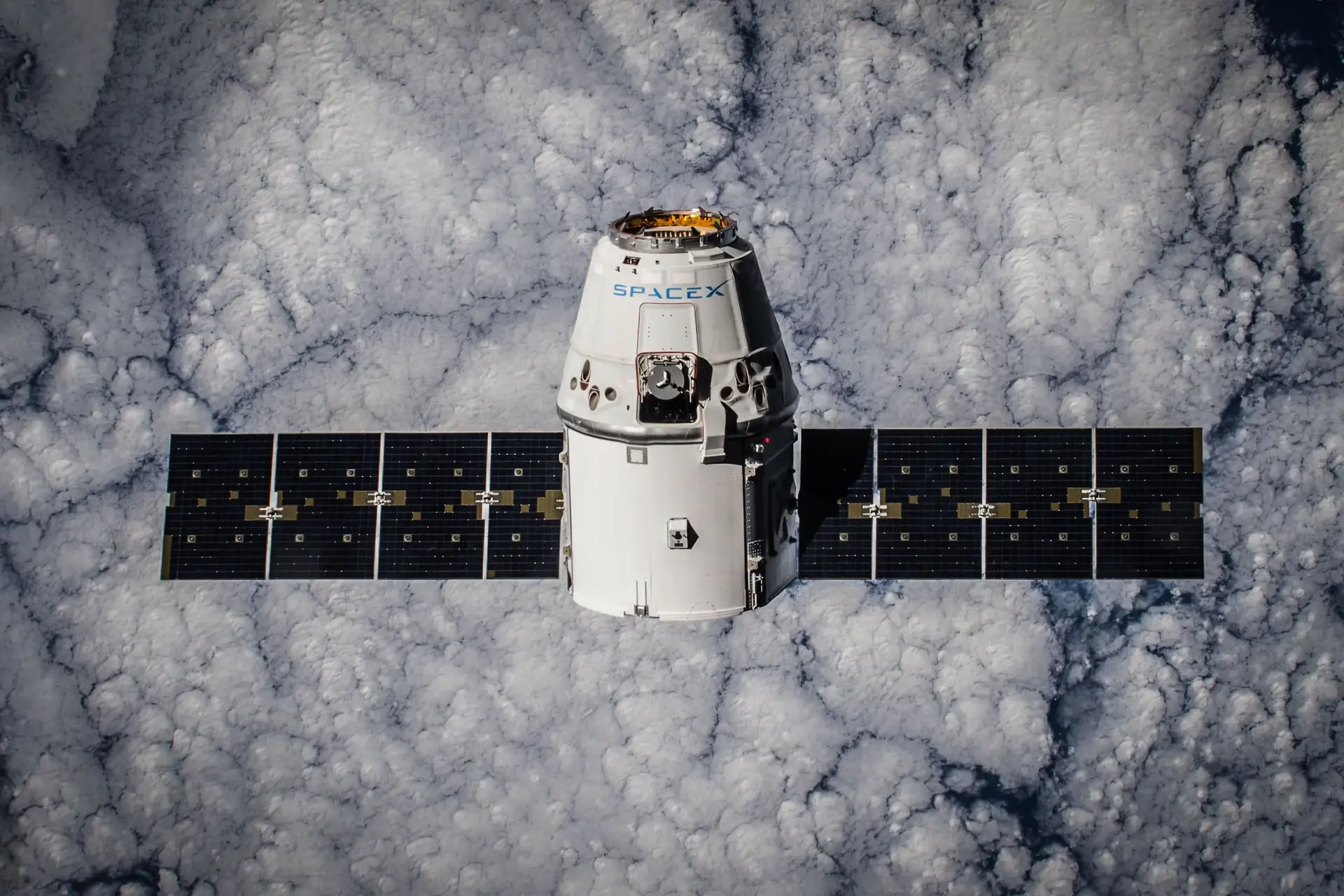
Space Exploration Technologies Corp. (SpaceX) caught its upper-stage Starship spacecraft using mechanical launch-pad arms in Texas on Saturday, completing the vehicle's first mid-air recovery following an orbital flight. The 124-meter-tall rocket system launched late Friday afternoon from the company's facility near the United States border with Mexico.
The upper-stage spacecraft separated cleanly after liftoff and completed 14 orbits around Earth at an altitude of approximately 265 kilometers before initiating its descent. During its 22-hour mission, the vehicle deployed 26 advanced Starlink satellites into orbit. The successful capture of the upper stage follows three previous pad recoveries of the first-stage booster on earlier test flights.
While the upper stage returned intact, the mission's lower-stage booster was lost shortly after staging. SpaceX spokesperson Kate Tice stated that the booster's engines stopped firing prematurely during its controlled descent. According to the company, the onboard guidance system detected the off-course trajectory and triggered an automatic self-destruction sequence over the Gulf of Mexico, where floating debris remained cordoned off by buoys. Engineers have initiated an investigation into the cause of the engine anomaly.
SpaceX reported that the spacecraft's primary systems, including its thermal heat shield, functioned within expected operational parameters throughout re-entry. The mission represented the 15th full-scale flight test of the Starship architecture and its second successful reach into Earth orbit since the flight-test program began in 2023.
The recovery milestone aligns with broader development goals for NASA's Artemis lunar program. The United States space agency has contracted SpaceX to supply landing systems for upcoming lunar missions, targeting a surface landing with the Artemis IV mission as early as 2028. SpaceX plans to transition future Starship operations to the Kennedy Space Center in Florida in the coming months to conduct orbital practice missions alongside hardware built by commercial partner Blue Origin.
Written by Martina Kirchner martina.kirchner@alpineweekly.com