Aug 26, 12:00 PM
SBB’s tidy half-year: more passengers, more profit, and the usual freight headache
Switzerland’s rail operator improved its earnings, kept trains broadly on time and pushed ahead with a freight overhaul that still looks like work in progress.
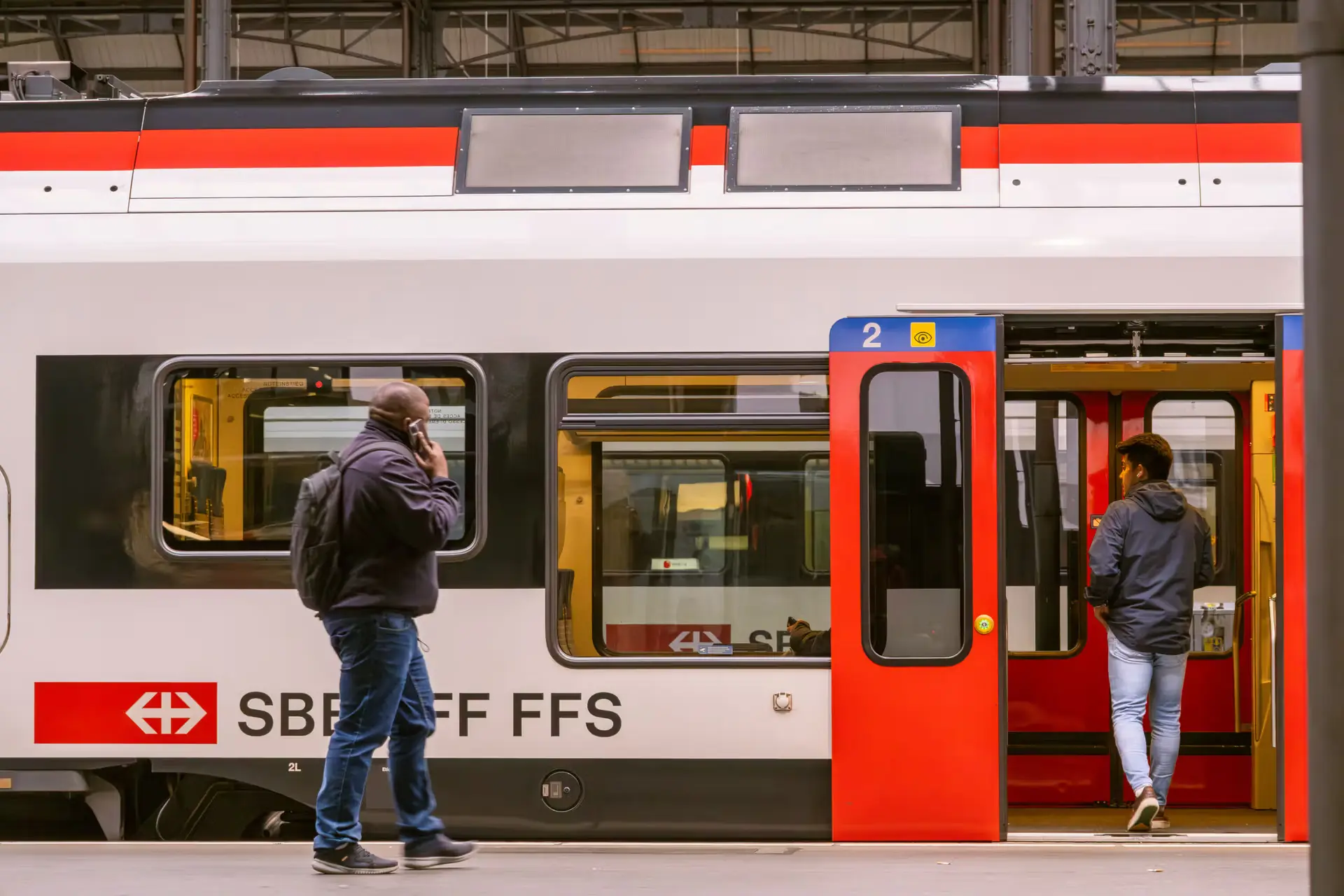
SBB has delivered one of those results that allow a state railway to look competent without quite escaping its structural problems. In the first half of 2026, it posted a profit of 126 million francs, up from 48 million francs a year earlier. Daily passenger numbers also rose, with an average of 1.45 million people travelling on SBB trains, 4 per cent more than in the first half of 2025.
The company was also able to point to a slight improvement in customer satisfaction, which reached 80.1 points, compared with 79.9 in the previous year. SBB attributed that to more stable operations, better information when disruptions occur and extra seats on heavily used services. In railway language, this counts as progress; in ordinary language, it means fewer reasons to mutter on the platform.
Punctuality remained high at 94.1 per cent, though that was 0.4 percentage points below the first half of 2025. SBB said the reliability of infrastructure and rolling stock, together with better planning of construction sites, helped keep trains moving. Technical faults, weather and delays in cross-border traffic dragged the figure down. Railways, it seems, still have to deal with the small nuisance of reality.
The improved profit was driven by several elements: stronger demand in passenger transport, a positive property result and a better outcome in freight. The freight division improved by 49 million francs to 2 million francs, which meant it reached break-even for the first time in many years. That is hardly a great leap for Swiss logistics, but it is better than the alternative.
Even so, SBB is not pretending that the half-year result solves anything. The company says its financial situation remains demanding. To renew its large vehicle fleets and expand services, it needs a profit of around 500 million francs a year in the medium term; over the longer term, the figure must be even higher if debt is to be stabilised. The message is plain enough: a railway can carry more people and still need more money.
That is why maintenance of the existing network is meant to come first, even as expansion remains necessary to handle rising demand and avoid bottlenecks later. Switzerland likes to think of its rail system as a model of order and reliability. The numbers show that this model still depends on constant investment, which is less romantic than punctual departures but rather more useful.
Freight is being reorganised as well. At the start of 2026, SBB launched a test operation for a shuttle in combined transport on the north-south axis. From December, a new production model is supposed to make national single-wagonload traffic more economical, bringing the company closer to the federal target of running freight on a self-financing basis by 2033. SBB Cargo AG will be folded back into SBB AG on 1 January 2027, and employees will move to SBB AG on 1 June 2027, with their employment conditions unchanged.
International rail travel also continued to grow. In the first half of the year, 6.02 million people travelled abroad by train, 1.3 per cent more than in the same period last year. SBB plans to expand that offer further together with its partner railways. For a sector that is forever balancing public service, investment pressure and political expectations, the result is decent enough. The harder question is how long decent enough can keep paying the bills.
Written by Sandy van Dongen sandy.vandongen@alpineweekly.com