Aug 26, 12:01 PM
Alaska’s tundra is thickening into a greener, stranger landscape
What looks like a bleak Arctic plain is turning into a low, layered ecosystem as warming pushes shrubs higher and changes how the ground stores heat, snow and carbon.
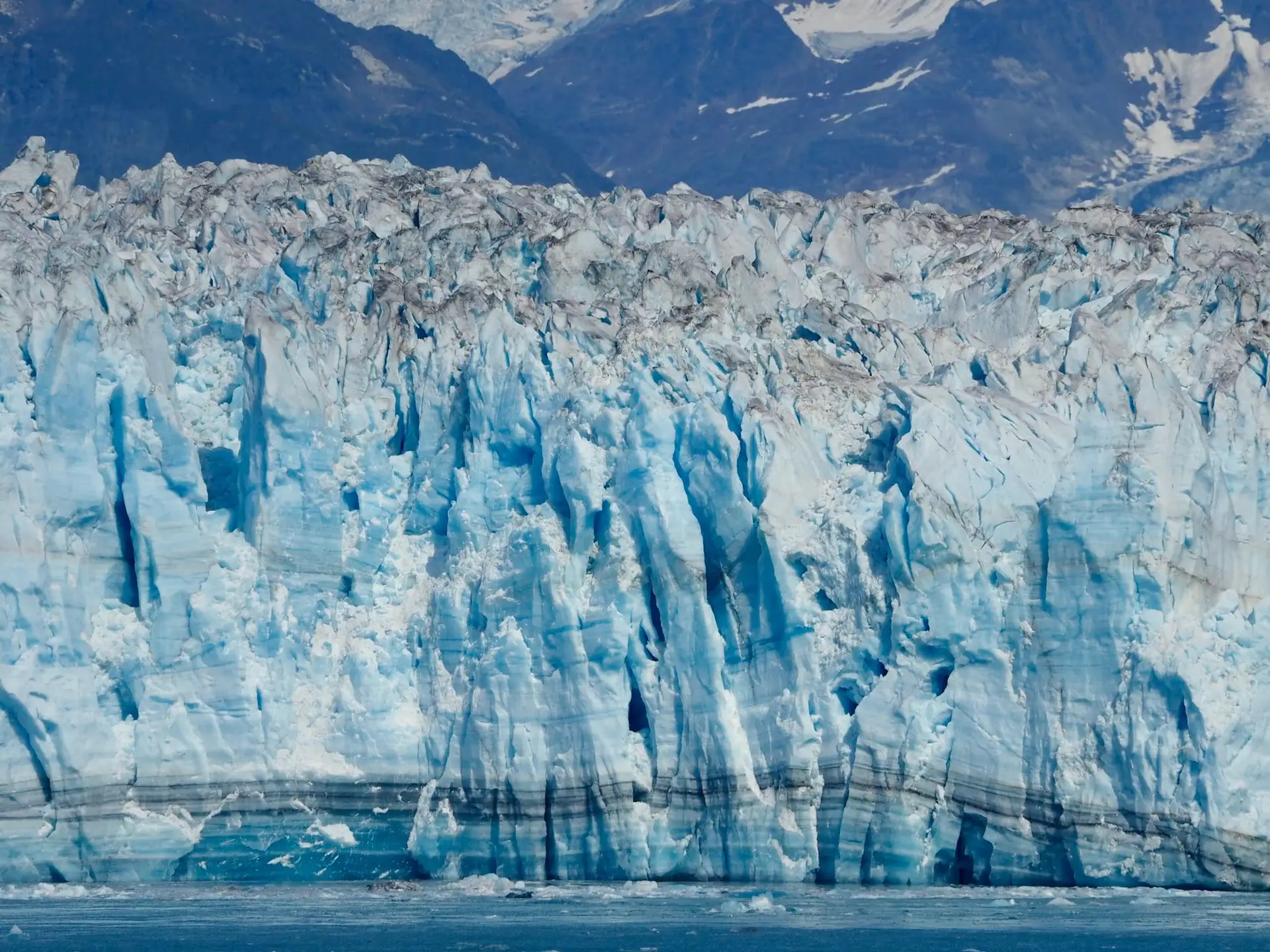
The North Slope of Alaska still lacks trees, which is perhaps the first clue that this is not a botanical triumph in the usual sense. But the tundra is no longer the frozen, flat expanse that many imagine. Up close, it now looks more like a miniature jungle, with dwarf birch, rhododendrons and other plants pushing up to about 25 centimetres.
That may sound modest. In the Arctic, it is a small revolution. The region is about 2.7 degrees Celsius warmer than it was 40 years ago, and the change is tied mainly to the burning of coal, oil and gas. Scientists say the Arctic is warming four times faster than the rest of the planet, especially in winter, and the vegetation is responding by growing taller, spreading farther and turning noticeably greener.
Anne Bjorkman of the University of Gothenburg in Sweden says the basic rule is simple: the colder and farther north you go, the smaller the plants become. Winter is the problem. Anything sticking above the insulating snow is exposed to cold, wind and hungry wildlife, while permafrost keeps roots from digging deep. That old arrangement is now under pressure, and the tundra is beginning to stretch.
Researchers at the Toolik Field Station, 320 kilometres north of the Arctic Circle, are studying what this means for the ecosystem. Some of the long-term work there looks at how much plants grow, how green the landscape becomes and what controls those shifts. Others are asking a more awkward question: whether Arctic plants are competing with one another as brutally as biology textbooks like to suggest, or whether cooperation matters more than expected.
The broader ecological consequences are already visible. Taller shrubs trap more snow, which insulates the ground and can allow microbes to release more methane during winter. At the same time, the darker vegetation absorbs more sunlight than white snow, helping to intensify warming. Scientists call this shrubification, and they do not seem to regard it as a charming local quirk.
There is also a possible offset. More greenery can absorb more carbon dioxide, though no one is pretending that this neatly cancels the rest. Chris Neill and Linda Deegan of the Woodwell Climate Research Center are studying expanding willow stands that shade streams and alter the ecology of fish, insects and birds. Their work also asks whether ecosystems can adapt, or even evolve genetically, under climate stress.
The details are easy to miss if one is not kneeling in the mud. Jake Francis of Florida Atlantic University says the tiny changes matter precisely because they are tiny, layered and easy to overlook. On the spongy tussocks near Toolik Lake, he sees flowering plants, mosses and liverworts stacked one over another, a crowded system that does not announce itself loudly.
His team is also examining the Arctic lousewort, a parasitic plant that taps neighbouring roots for nutrients. The obvious reading is theft. But doctoral student Jonathan Carcache suspects there may be more to it. Its purple flowers attract the scarce bumblebees, which may mean nearby plants get pollinated too. To test that, Carcache and Adam Bloom are doing the bees’ work by hand, in a process so tedious it produces less than a teaspoon of pollen after hours of effort.
The larger lesson is hardly romantic, but it is useful. In the Arctic, survival may depend less on winner-takes-all competition than on messy forms of mutualism. That is not a comforting thought for a warming planet, but it is at least a realistic one. The tundra is changing, and with it the old idea that harsh places leave no room for cooperation.
Written by Andreas Hofer andreas.hofer@alpineweekly.com