Oct 25, 1:01 PM
Diplomatic Politeness and Missing Organs: A Murder in Grenada
Ten months after Andrew Frederick was killed, Whitehall's soft touch leaves a clear homicide uninvestigated.
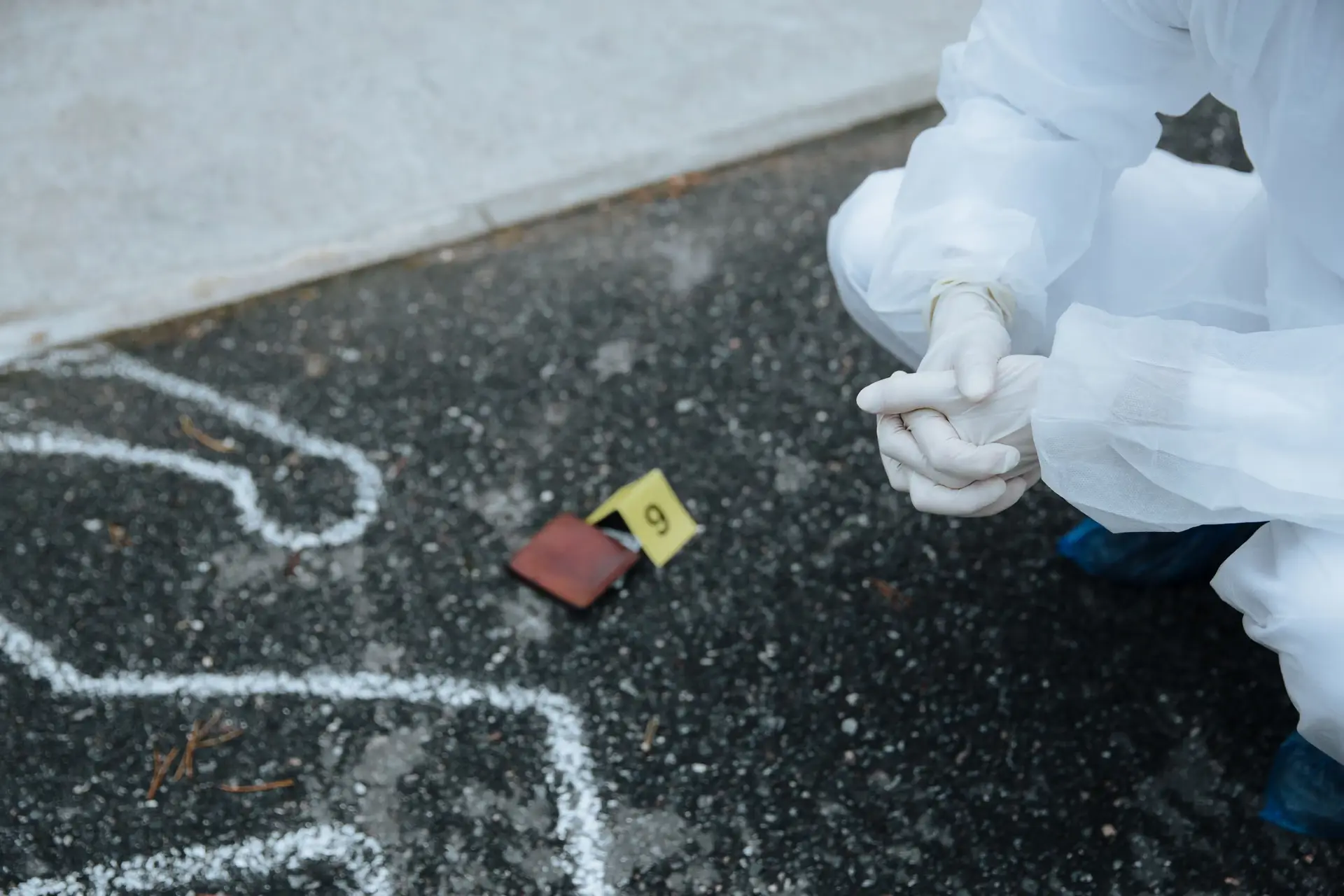
When a medical examiner documents blunt force trauma, the removal of a toenail, and explicitly classifies a death as homicide, standard investigative protocol generally follows. In the Caribbean nation of Grenada, the response was somewhat different: police declared no evidence of a crime and promptly closed the file. Ten months after 47-year-old Andrew Frederick was found dead in a ransacked property, his case remains an extraordinary study in institutional paralysis and diplomatic timidity.
The details surrounding Frederick’s death in January are as grim as the subsequent inaction. Following months of campaigning by his family, his body was repatriated to the United Kingdom in August. A second autopsy in Britain uncovered a further appalling detail: during his six weeks under the care of Grenadian authorities, his brain, heart, lungs, and parts of his neck had been removed. No explanation has been provided as to why or where these organs went, leaving a grieving family to navigate both unexplained violence and anatomical desecration.
Former Scotland Yard homicide commander David Johnston observed that local police failed to secure the crime scene during the critical initial period, allowing crucial forensic evidence to deteriorate. In homicide investigations, the earliest hours determine whether a case is solved or shelved. Instead of preserving the scene, Grenadian police opted to ignore their own qualified pathologist's autopsy findings simply because the forensic reality clashed with their official narrative.
The response from Whitehall offers little reassurance to the dozens of British families who confront homicides abroad each year. While the Metropolitan Police were eventually asked by a UK coroner to investigate, progress hinges entirely on a formal request for assistance that remains unsigned. Grenadian officials, including a prime minister who doubles as national security minister, gave verbal assurances to a British high commissioner weeks ago. Yet the paper sits waiting, while British diplomats maintain their standard posture of measured patience. Responding to the affair, an FCDO spokesperson offered the predictable assurance: We are supporting the family of a British man who died in Grenada, and are in contact with the local authorities.
How much weight does British consular diplomacy actually carry when an island nation can comfortably ignore written requests while returning a mutilated corpse? Charity organizers from Murdered Abroad, who handle between 60 and 80 similar overseas fatalities annually, are now calling for parliamentary oversight to force action. Politeness and diplomatic protocol are fine tools for trade summits, but when an unsolved murder is swept under a tropical rug, gentle encouragement is useless.
Written by Thomas Nussbaumer thomas.nussbaumer@alpineweekly.com