
Aug 25, 8:00 AM
Salt and Sunrise eye a rural truce over antennas
Two Swiss mobile operators are testing a pragmatic idea: share more infrastructure where the hills do the real damage and the business case is weakest.
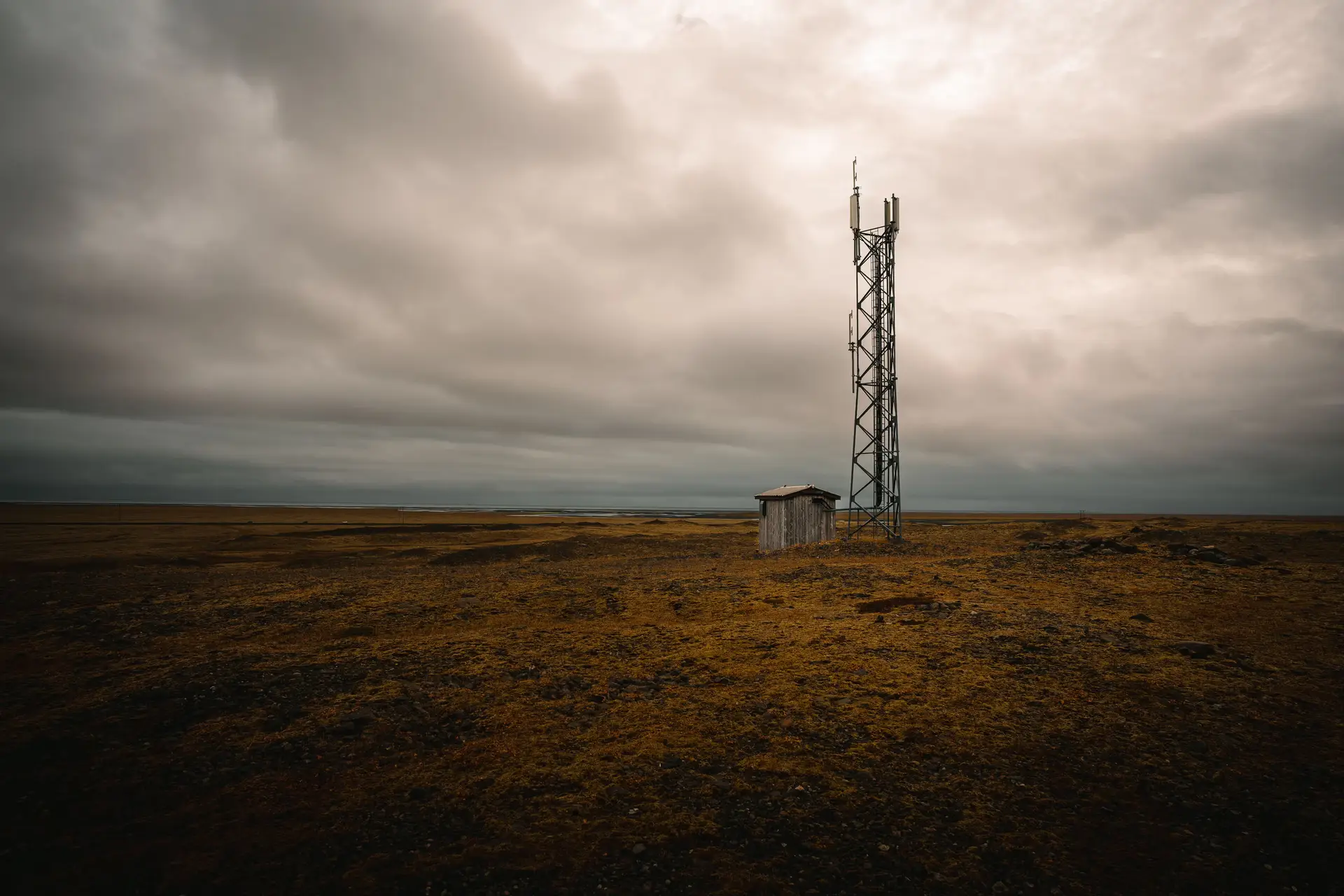
Swiss telecom has discovered, once again, that mountains are inconvenient. Salt and Sunrise are now looking at whether they can share antennas more closely, above all in peripheral regions, in order to improve network quality without piling on unnecessary costs. The idea is hardly revolutionary, but in a market where every extra mast has to be justified, pragmatism tends to arrive wearing a suit and carrying a spreadsheet.
Ralf Beyeler, a telecom and money expert at the comparison service moneyland.ch, says the logic is obvious. In rural areas, he argues, the effort can effectively be cut in half if antennas are used jointly at as many locations as possible. In practice, that would mean Salt building certain antennas that Sunrise customers could also use, while Sunrise would do the same for Salt customers elsewhere.
The case is weaker in cities, and not by a little. Beyeler points out that sharing there would bring almost no benefit because urban networks are already heavily loaded. There is simply not enough spare capacity to route other operators’ customers through the same infrastructure. The countryside, by contrast, is another matter. Switzerland’s topography, with its mountains and hills, makes broad coverage far more demanding than in flatter countries such as the Netherlands, where one antenna can cover a much larger area.
That geography matters because many rural and mountain regions are thinly populated. The few residents, and the occasional hiker, do not fully use the existing infrastructure, which makes duplicate antennas a costly luxury. A single mast serving customers from both Salt and Sunrise is, in Beyeler’s view, the more sensible arrangement. It also reduces the risk that some places are left with patchy reception simply because each operator tries to cover the same territory on its own.
There is also a broader point that Swiss telecom companies cannot politely ignore. They do not get to sell mobile subscriptions only to the cities and leave the rest of the country to fend for itself. Beyeler says it would be unthinkable for a provider such as Salt or Sunrise to focus only on Zurich, Bern and Basel. Customers expect service in rural areas and in the mountains as well, and without that, a provider will struggle to win business.
By Swiss standards, the networks are already strong. Beyeler says the country’s mobile networks are among the best in the world, despite the difficult terrain. The differences between providers are small, and every operator has places where coverage is weaker and others where it is better. Still, if Salt and Sunrise can share more infrastructure where it makes economic sense, they may manage to improve service without pretending that every hill deserves its own mast. The market, after all, has enough ceremonial inefficiency already.
Written by Thorben Thiede thorben.thiede@alpineweekly.com