Nov 5, 1:01 PM
Nationwide Strikes Hit French Transport, Energy, and Education Sectors
Five trade unions mobilize hundreds of thousands across France to demand wage increases amid rising living costs.
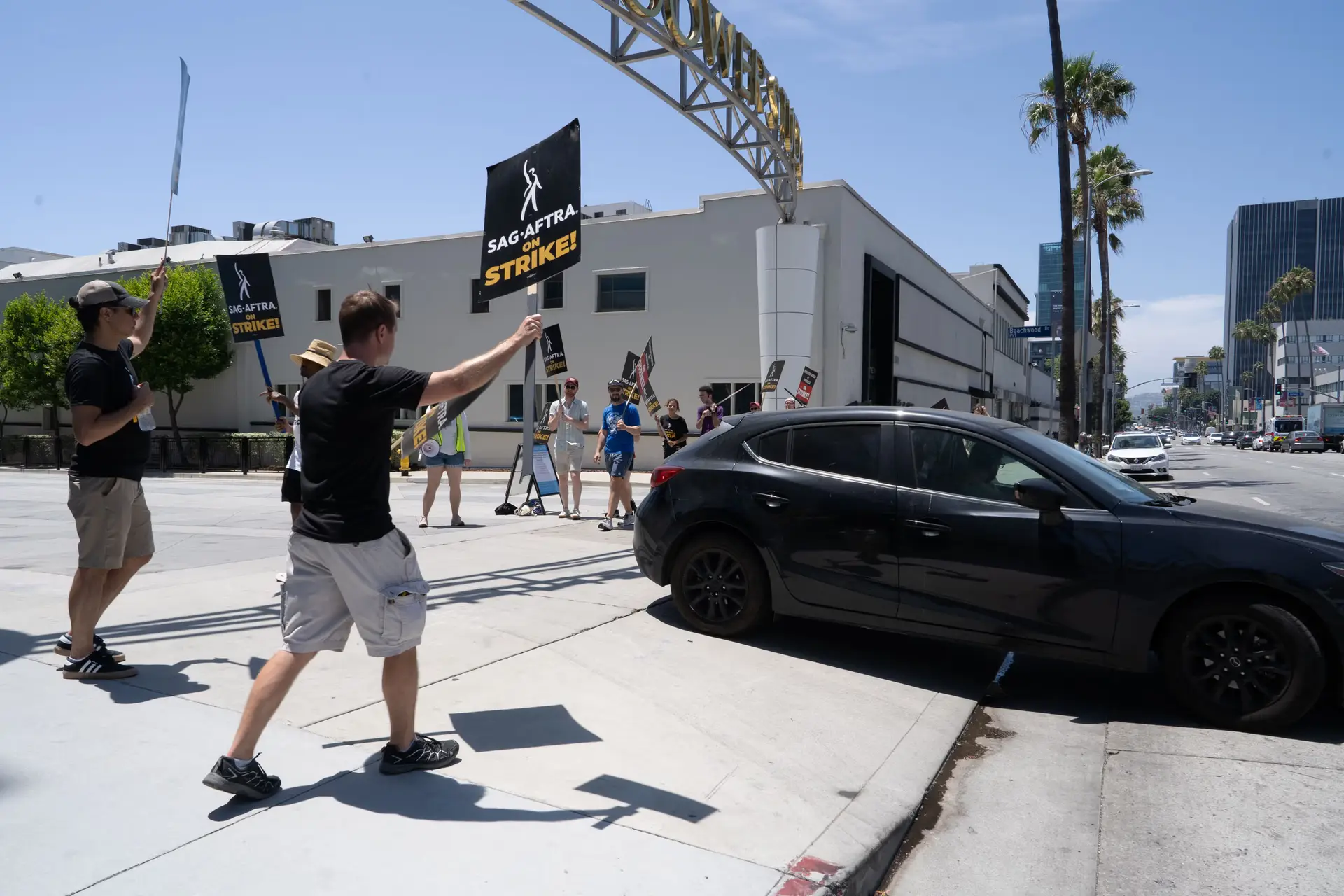
Five French trade unions have launched a nationwide day of strikes and demonstrations, disrupting public transport, energy production, and educational facilities as workers demand higher wages to counter the rising cost of living. French authorities expect between 500,000 and 700,000 demonstrators to join more than 250 organised actions across the country, with tens of thousands marching in Paris.
The Interior Ministry deployed 70,000 police officers and gendarmes to maintain order during the protests. Interior Minister Laurent Nuñez stated that security forces were prepared for an extremely firm response, highlighting potential risks from radical left groups, unauthorized marches, and looting. In Paris, municipal authorities designated a protest route linking Place de la République and Place de la Nation, altering the unions' preferred path that would have brought demonstrators near the Élysée Palace and the National Assembly following previous unrest on 17 October.
The coalition of five unions is calling for an increase in the national minimum wage, which currently stands at €12.31 per hour. Marylise Léon, head of the CFDT union, stated that representatives are demanding an additional net monthly wage increase of €100 for workers across sectors. The movement initially began in September with high school student demonstrations regarding educational resources before expanding to encompass private sector employees and supporters of the yellow-vest movement.
Public services experienced widespread operational friction on Thursday morning. The Education Ministry confirmed that 81 high schools were entirely shut down and approximately 17.5 percent of primary schools were affected by staff walkouts. Disruptions also impacted energy infrastructure, as unions called for work stoppages at oil refineries and nuclear power stations, leading to a temporary increase in electricity imports.
The government previously attempted to mitigate economic pressure by releasing 10 million barrels of diesel from strategic reserves and promising to replace the Parcoursup university platform by 2028. Meanwhile, yellow-vest groups have called for additional blockades and demonstrations on Friday and Saturday to sustain the protest movement.
Written by Sandy van Dongen sandy.vandongen@alpineweekly.com