Nov 5, 1:02 PM
EU Enlargement Commissioner Meets Serbia's Student List in Brussels
Talks focus on internal democratic reforms following the defeat of Aleksandar Vučić's party
European Commissioner for Enlargement Marta Kos hosted representatives from Serbia’s election-winning Student List in Brussels on Monday for initial talks focused on domestic political reforms. The meeting represents the first high-level exchange between senior officials of the European Union and the political movement following last month’s parliamentary elections.
The grassroots movement secured an absolute majority in parliament, ending fourteen years of governance by Aleksandar Vučić’s Serbian Progressive Party (SNS). The political group emerged following months of student protests triggered by the collapse of a concrete canopy at the Novi Sad railway station, an event that killed sixteen people and sparked public anger over state corruption and negligence.
According to statement details provided by the European Commission, discussions centred on restoring the rule of law, establishing an independent judiciary, and securing media freedoms within Serbia. The formal formation of a new government in Belgrade remains on hold while authorities conduct investigations into reported irregularities at several polling stations.
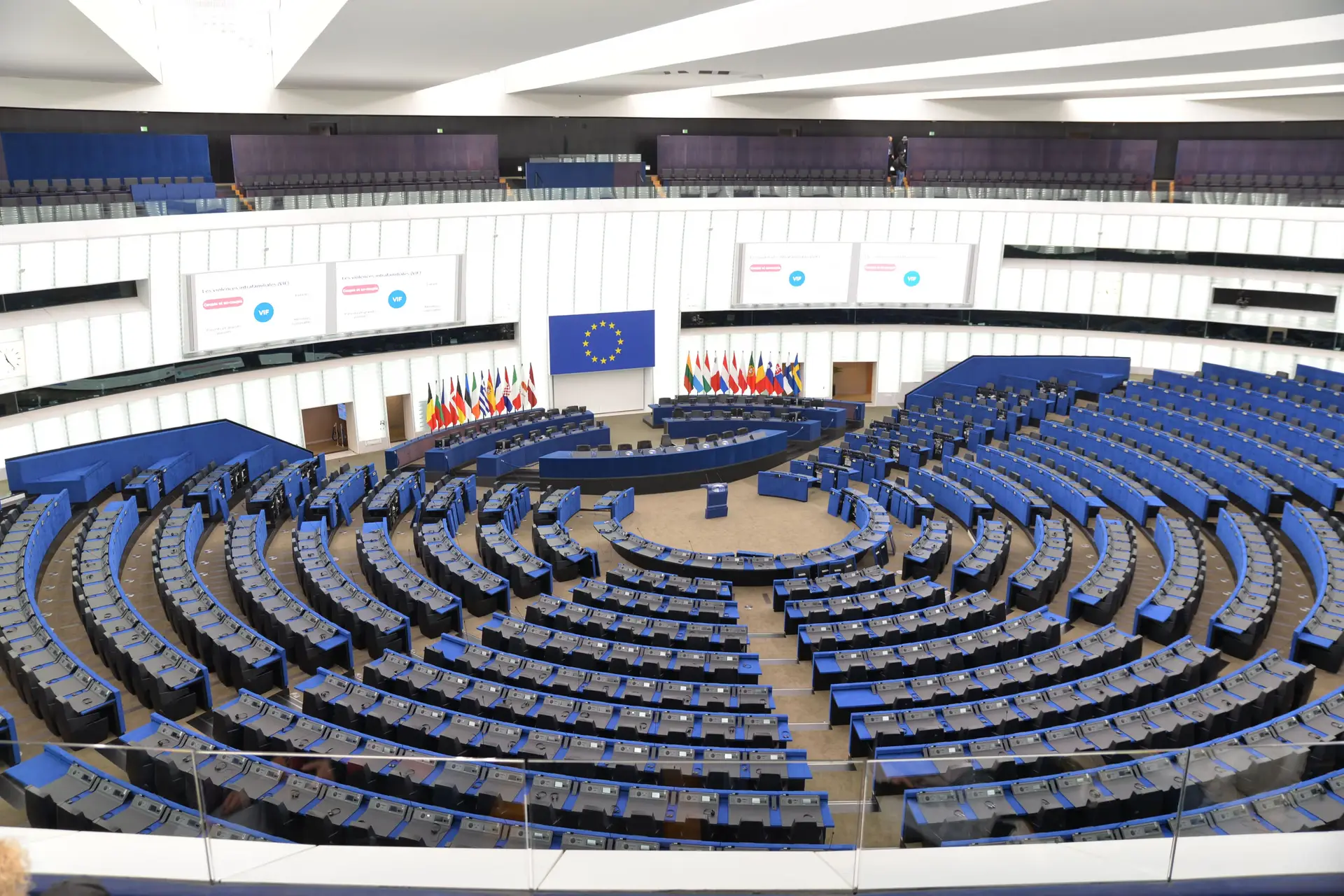
Addressing members of the European Parliament’s Foreign Affairs Committee on Wednesday, Kos stated that the bloc was prepared to support the incoming administration in executing democratic reforms. In parallel comments, Albanian Prime Minister Edi Rama noted that the political shift in Belgrade was unlikely to lead to Serbia’s recognition of Kosovo, which remains a key issue in regional diplomacy.
Initial institutional shifts have already begun in Belgrade following the election, including the resignation of the head of public broadcaster RTS and the arrest of senior police officials. Authorities have also revoked the operating licence of a bank tied to the former ruling party establishment. The Student List, whose representatives include professors, doctors, and students, faces its next political test in presidential elections scheduled for late December.
Written by Andreas Hofer andreas.hofer@alpineweekly.com