Nov 6, 11:01 AM
India and International Partners Prepare Opposition to EU Carbon Border Tax Ahead of COP31
New Delhi and major trading nations challenge Brussels over expanding environmental levies on industrial imports.
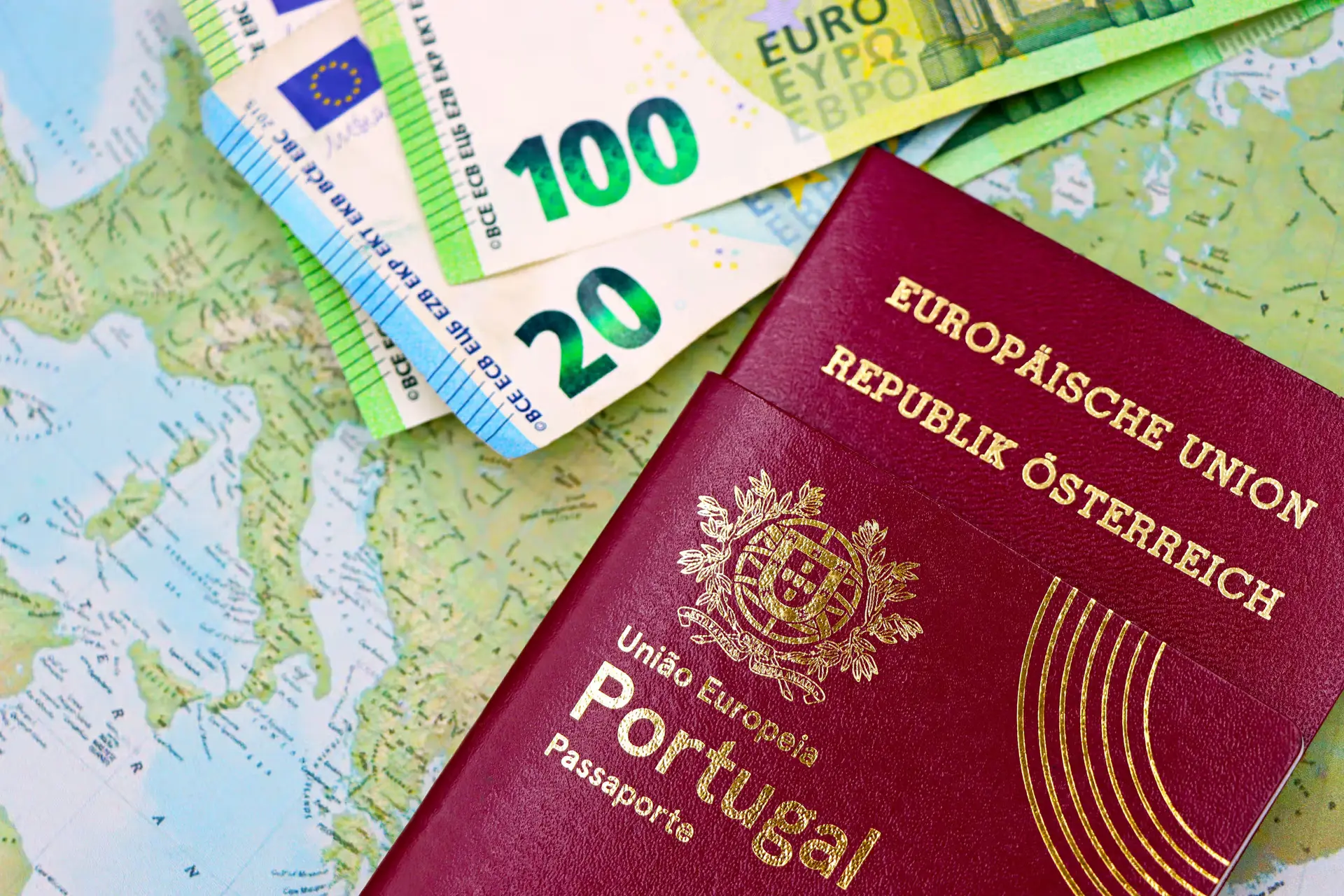
India has declared its intent to oppose the European Union’s carbon border tax at the upcoming COP31 climate summit in Antalya, Turkey, which begins on 9 November. Indian Environment Minister Bhupender Yadav stated to domestic media that New Delhi will defend its industrial interests against unilateral trade measures.
The EU’s Carbon Border Adjustment Mechanism (CBAM), introduced in January 2026, imposes carbon-related costs on imported steel, aluminium, cement, hydrogen, and fertilisers. Indian Commerce Minister Piyush Goyal previously warned that duties under the mechanism could reach 50 percent on steel imports, stating that such measures increase living costs and place industrial producers at a competitive disadvantage.
Resistance to the regulation has expanded across multiple international trading partners. Russia has lodged a formal challenge against CBAM at the World Trade Organization, while Russian and Chinese representatives announced on 3 November that they would jointly oppose unilateral trade barriers at COP31. In the United States, members of the House Budget Committee led by Representative Jodey Arrington sent a letter to US Trade Representative Jamieson Greer, requesting action against European energy and sustainability regulations that they assert discriminate against American manufacturers.
Concurrently, several countries are seeking bilateral mechanisms to mitigate the tax. Canada is negotiating potential exemption terms with Brussels, and the United Kingdom is seeking to link its carbon emissions trading system to the EU framework, according to British Treasury official Lord Livermore. Within the EU, the European Commission previously declined requests from several member states to grant temporary exemptions for agricultural fertilisers following domestic cost concerns.
The EU co-legislators, comprising the European Council and the European Parliament, are scheduled to hold negotiations on 20 November regarding plans to expand CBAM to additional goods, including vehicle components and washing machines. At the same time, EU governments are considering adjustments to internal climate measures, such as methane rules and the planned 2035 restriction on new internal combustion engine vehicles, while evaluating domestic refinery capacity amid high energy prices. The COP31 climate summit, hosted jointly by Turkey and Australia, opens on 9 November in Antalya.
Written by Thomas Nussbaumer thomas.nussbaumer@alpineweekly.com