
Sep 2, 12:02 PM
High-Margin Satiety: Germany Becomes First Test Bed for Wegovy’s New Weight-Loss Pill
Novo Nordisk launches daily semaglutide tablets in German pharmacies as pharmaceutical giants race for a hundred-billion-dollar waistline market.
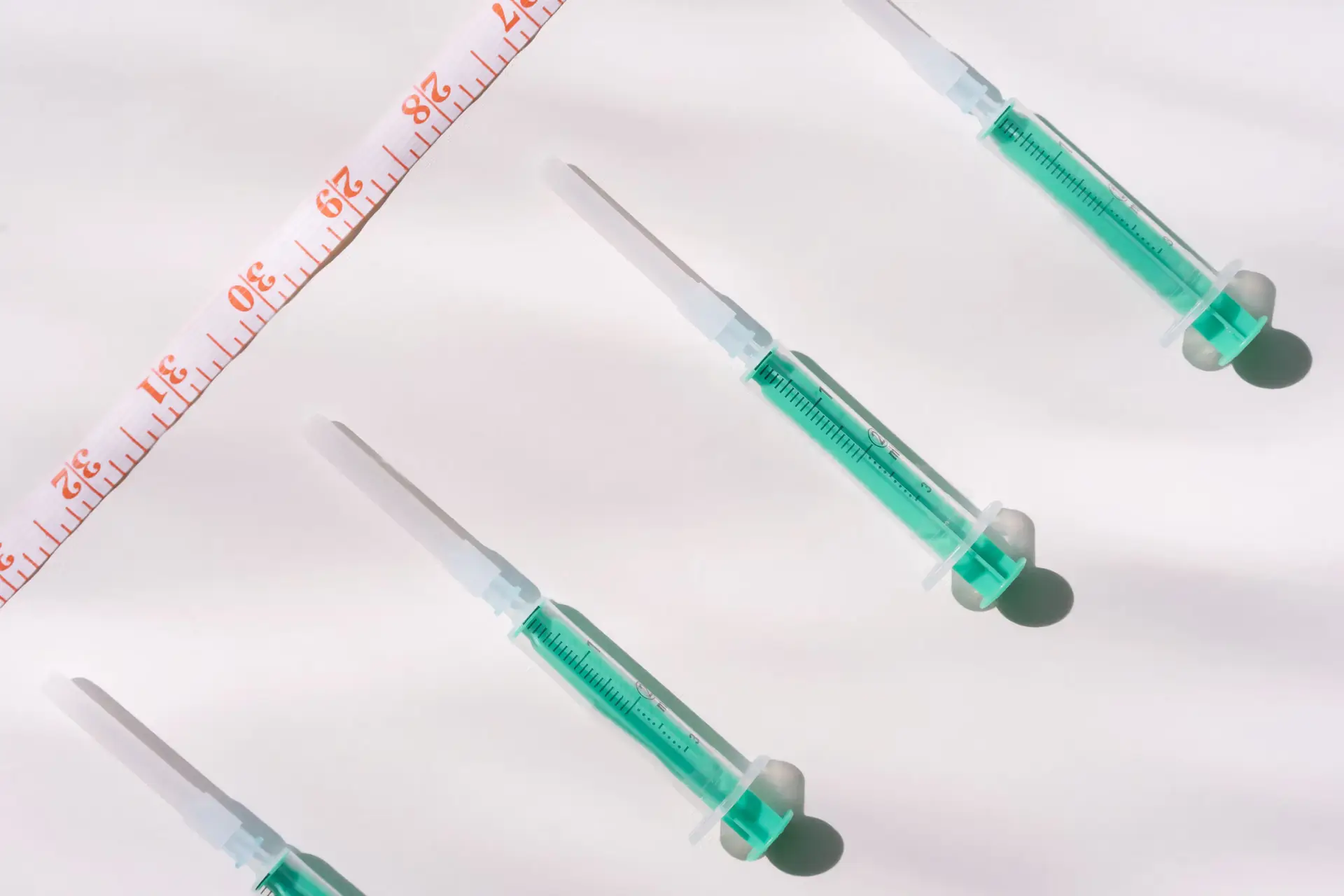
German consumers can now swallow their daily dose of appetite control. As of September, Germany has become the first market to stock the oral version of Novo Nordisk’s obesity drug Wegovy following European Union authorization in July. Priced between 170 and 280 euros per month at retail pharmacies, the prescription-only tablet represents the latest commercial expansion by the Danish pharmaceutical firm, offering an alternative to its existing weekly injectable treatment.
The underlying mechanics remain identical: the active ingredient, semaglutide, mimics a gut hormone responsible for signaling fullness to the brain. Yet while the injectable variant is authorized for young patients aged twelve and older, the daily pill is currently restricted strictly to adults. According to the OASIS-4 trial, which evaluated 205 participants against 102 placebo subjects over 64 weeks, adult patients taking the tablet reduced their body weight by an average of 13.6 percent. This falls short of the 19 percent average reduction recorded for the injection, though the trial for the injectable form ran longer, at 72 weeks.
The commercial incentives behind these rollouts are substantial. Financial analysts project that global annual sales for obesity medications could reach 100 billion dollars by 2030, sparking intense competition among drug manufacturers. In the United Kingdom, American rival Eli Lilly scheduled the release of its own weight-loss pill, Foundayo, for late August. For Novo Nordisk, securing an early foothold in Germany allows access to a growing patient base that includes adults with a body mass index above 30, as well as overweight individuals below that threshold who suffer from weight-related conditions such as type 2 diabetes or sleep apnoea.
Convenience, however, carries a tangible trade-off. Patients taking the daily pill frequently suffer from gastrointestinal issues, including nausea and diarrhoea, alongside more severe risks like pancreatic inflammation. Medical leaders are eager to manage expectations. Julia Szendrödi, president of the German Diabetes Association, stressed that medicines against obesity are not miracle cures for optimising weight, but components of a therapy for a chronic disease. In her view, pharmaceutical products cannot substitute for broader prevention strategies, such as clearer nutrition labelling, improved quality standards for school lunches, and tighter limits on marketing unhealthy food to children.
A daily pill offers an appealing technological shortcut, but the medical reality remains unchanged: lasting results still require consistent dietary changes and regular physical activity. Whether individual budgets and health systems can comfortably sustain monthly bills approaching 300 euros for continuous pharmacological management remains a matter of financial priorities.
Written by Andreas Hofer andreas.hofer@alpineweekly.com