Nov 3, 11:00 AM
Fumes and Balance Sheets: Queensland’s Mater Hospital Dumps Pathology Business
A toxic exposure incident at Mater Health accelerates a permanent shift toward outsourced diagnostics, leaving 400 hospital workers in limbo.
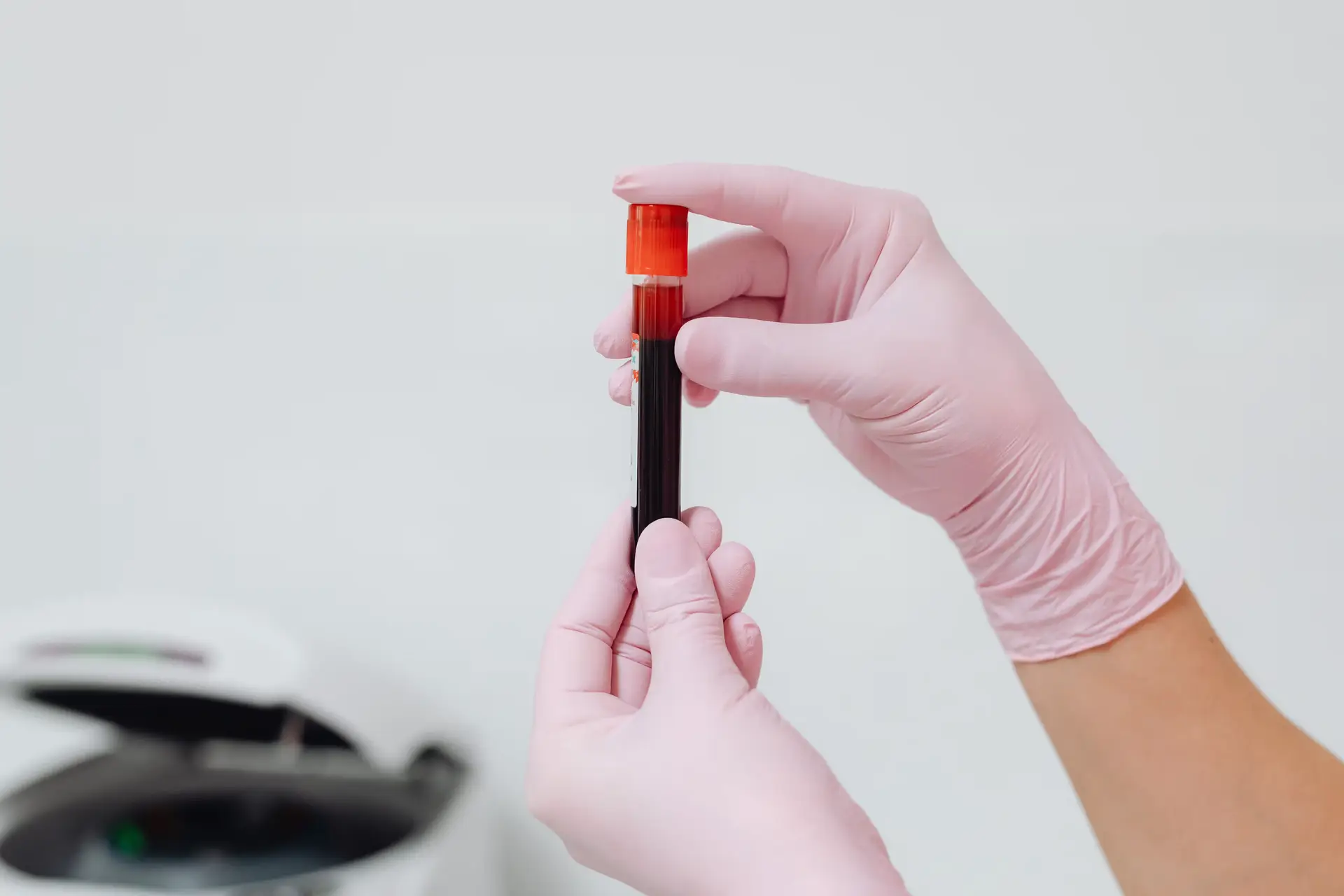
When safety breaches intersect with financial deficits, administrative patience wears thin remarkably fast. At Mater Health in Queensland, a routine chemical exposure test did not just trigger an environmental audit—it brought down the curtain on the hospital network’s entire internal pathology apparatus.
What began as an acute containment measure at Mater’s Brisbane facility on 24 September has now evolved into a permanent shutdown across both its Brisbane and Springfield operations. The catalyst was a single sample, taken among seventeen baseline tests on 21 September, that showed formaldehyde levels exceeding mandatory workplace safety standards. Respiratory protective gear, typically reserved for emergency chemical spills rather than daily lab work, had already become mandatory equipment for staff inspecting anatomical specimens. Formalin—a hazardous solution of formaldehyde and water known to cause severe respiratory irritation and long-term carcinogenic risks—demands strict containment. When existing ventilation systems proved insufficient, management pulled the plug.
Yet, the toxic fumes were merely the immediate pretext. The broader decision to permanently outsource pathology operations to Sullivan Nicolaides Pathology and Pathology Queensland reflects a cold economic calculation. Upgrading legacy ventilation and facility infrastructure to meet stringent modern standards required capital investments that Mater, a non-profit entity operating under joint public and private arrangements with Queensland Health, was unwilling or unable to justify. Scale, automated logistics, and specialized technological infrastructure now dictate the margins of modern diagnostic medicine. Small to mid-sized hospital laboratories simply lack the volume to absorb heavy capital expenditure.
The fallout touches roughly 400 staff members, including specialized technicians who handled delicate post-mortem cell and tissue testing for infant and fetal deaths. While Pathology Queensland has assumed responsibility for perinatal autopsies within its existing framework, union leaders have raised alarms over the wider workforce transition. United Workers Union secretary Fiona Scalon pointed out that moving staff to external providers under different enterprise agreements threatens both income and accrued working conditions.
Management's official defense remains pragmatic. A spokesperson for the hospital stated that Mater’s current operating model is not sustainable over the longer term, arguing that shedding diagnostic overhead allows the institution to concentrate limited resources directly on clinical patient care. It is a familiar refrain in healthcare management: when legacy operating structures break down, contract medicine is ready to fill the vacuum.
Written by Christiane Hofreiter christiane.hofreiter@alpineweekly.com