Jun 12, 6:01 PM
Bypassing Britain: Boulogne’s Maritime Revival Meets Brussels Bureaucracy
A new ferry route to Ireland ends a 15-year passenger drought for the French port, but economic stagnation and EU border friction loom large over the celebration.
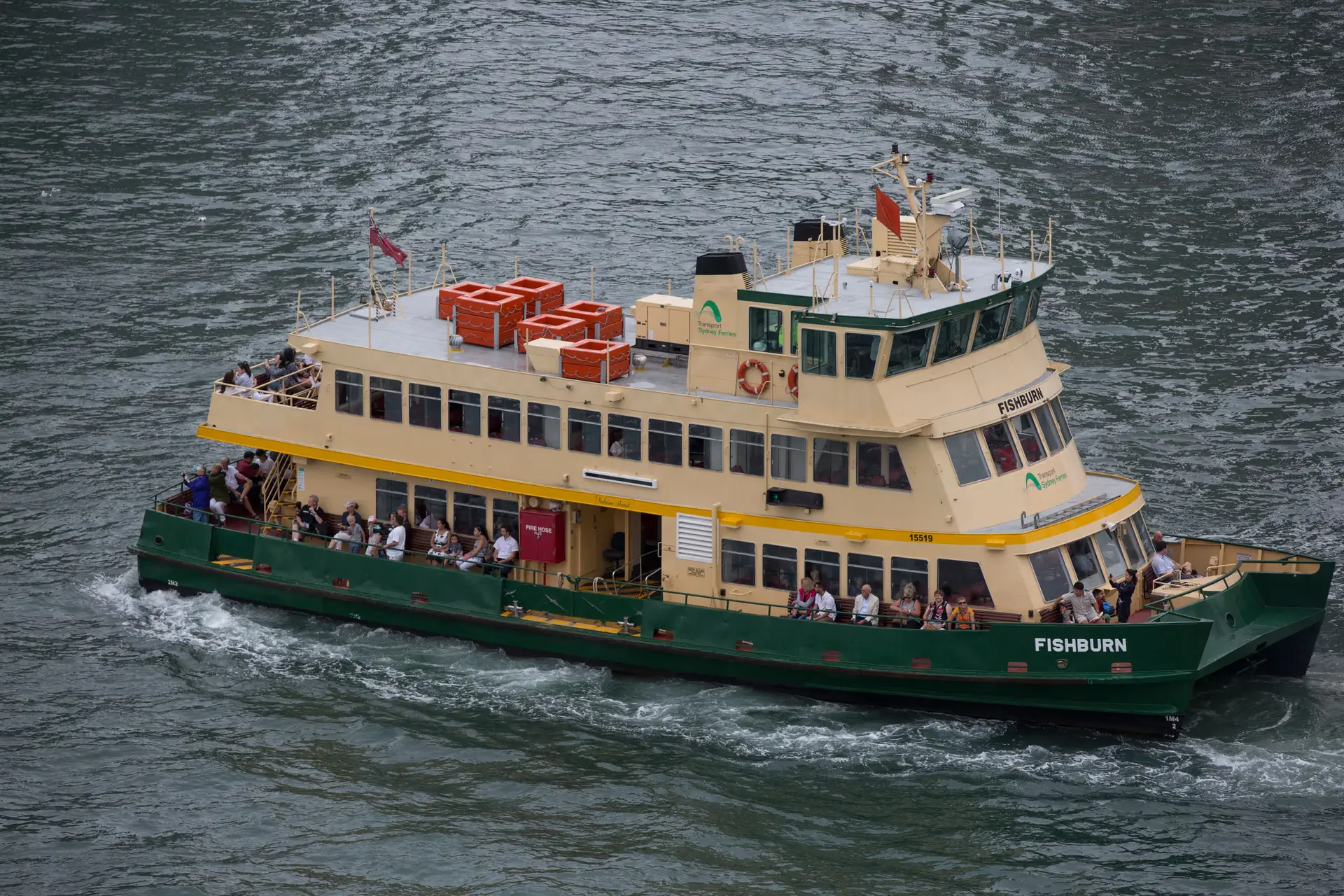
For a decade and a half, the international passenger terminals at Boulogne-sur-Mer have sat conspicuously quiet. While other European ports adapted to shifting global trade winds, this northern French maritime hub languished. Its decline has mirrored a broader national economic stagnation, exacerbated by rigid, state-heavy policies that routinely deter private investment. Now, a modest reversal of fortune has arrived on the coast. On June 12, Hibernia Line launched a direct ferry service connecting Boulogne to the village of Ringaskiddy in County Cork, restoring international passenger travel to the French port for the first time in fifteen years.
The new operation relies on two vessels, the St Patrick and the Akka, each capable of carrying 600 passengers alongside 130 units of freight. Operating six times a day from Monday to Saturday, the journey demands a rather arduous 21 to 24 hours at sea. Vehicles are currently permitted on board, with foot passengers scheduled to be allowed to make the crossing starting July 1. Mayor Frédéric Cuvillier publicly celebrated the launch, expressing profound relief that years of local consultation had finally yielded a functional route to Ireland.
This maritime development is hardly proof of a sudden French economic renaissance. Instead, it functions as a highly pragmatic workaround for logistics companies and tourists. Following the UK's departure from the European Union, freight operators have actively sought alternative routes to bypass the British land bridge and its associated customs friction. Operators such as DFDS, Brittany Ferries, and Irish Ferries have already capitalised on this specific demand. Hibernia Line is simply the latest entrant attempting to profit from the structural shift in European shipping lanes.
Yet, those hoping for seamless, unhindered travel between two European Union member states will quickly encounter the heavy hand of Brussels. Because Ireland opted out of the Schengen area, the EU classifies these intra-European journeys under its rigid Entry/Exit System. Non-EU citizens disembarking in Boulogne will immediately be subjected to the bloc's latest digital border apparatus. It is a classic example of the European machine working primarily for itself: layering complex, unaccountable bureaucratic requirements over a travel route that was ostensibly designed to make cross-border movement easier.
Ultimately, the return of active ferries to Boulogne is a welcome injection of commercial activity into a region that desperately needs capital. France's alarming state finances and sluggish growth make any private sector investment a rare anomaly. However, whether two ships sailing to Cork can meaningfully alter the economic trajectory of a neglected port town is highly doubtful, especially when every arrival is greeted by the friction of an overbearing European border regime.
Written by Martina Kirchner martina.kirchner@alpineweekly.com