Oct 21, 6:01 AM
Boeing Gains FAA Clearance for the 737 Max 10 After a Decade of Delay
Regulators give the green light to Boeing's largest narrow-body jet, but delivering on its massive backlog remains the real test.
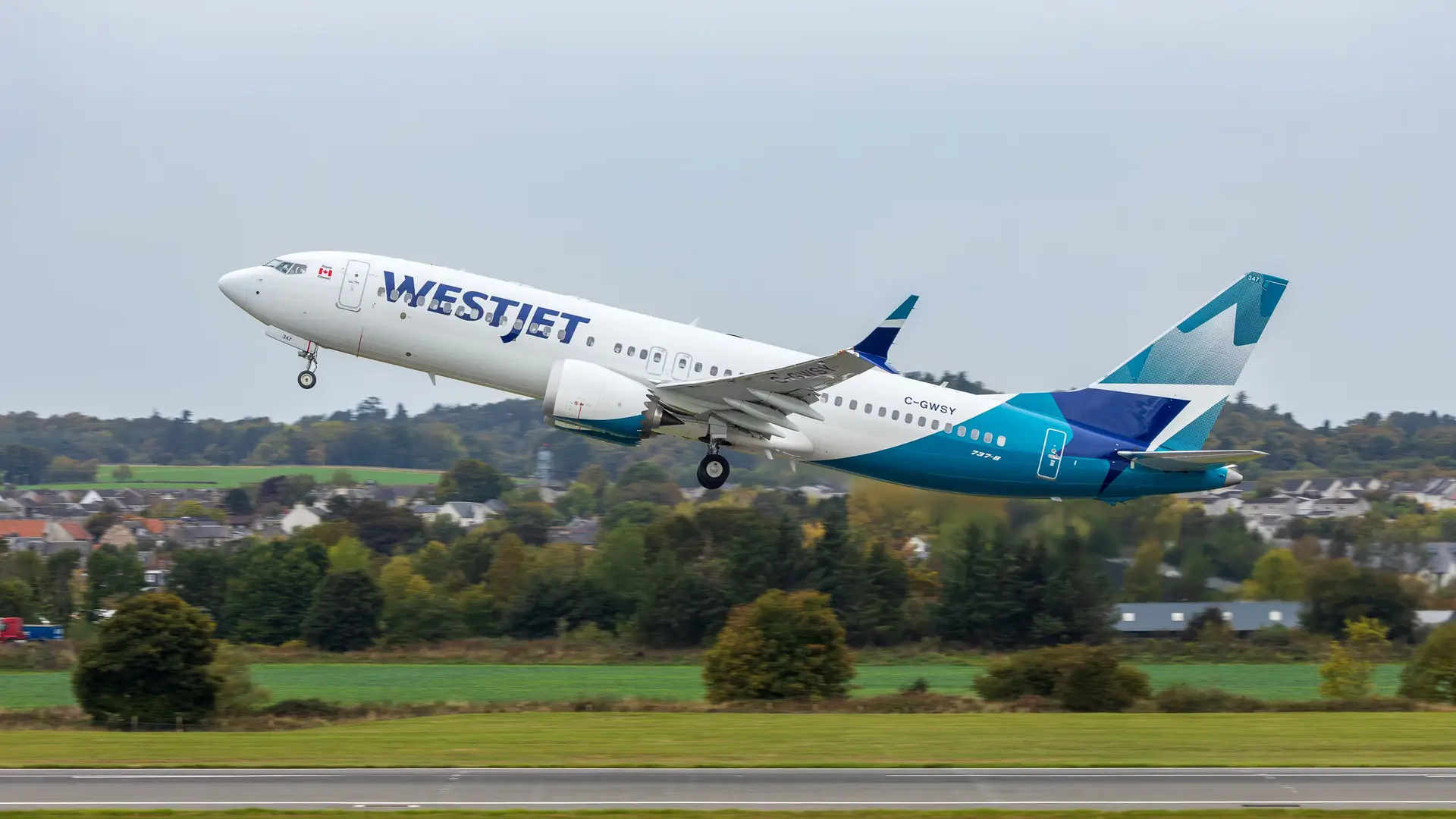
It takes a special kind of corporate stamina—or regulatory inertia—to celebrate a decade-long path to market as a triumph of industrial perseverance. Yet Boeing has managed to finally secure approval from the Federal Aviation Administration for its largest single-aisle jet, the 737 Max 10. The green light closes a painful chapter of technical setbacks, safety scandals, and administrative gridlock, clearing the plane to carry passengers starting in 2027.
For the aerospace giant, the economic stakes could hardly be higher. The Max 10 accounts for more than 30 percent of the company’s 737 Max backlog, representing 1,555 unfulfilled orders from major global carriers including United Airlines, Delta Air Lines, American Airlines, and Ryanair. Carrying between 185 and 210 passengers, the stretched variant is Boeing’s primary weapon against Airbus and its dominant A321neo family. While the European rival still holds an edge in range and maximum payload, Boeing is pitching the Max 10’s lower fuel consumption per seat as an attractive proposition for airlines attempting to manage soaring fuel costs.
The journey to certification was severely derailed by the tragic Max 8 crashes in 2018 and 2019, which claimed 346 lives, and was further complicated by a mid-air panel blowout on an Alaska Airlines Max 9 in early 2024. In response, the FAA initially tightened its oversight of the manufacturer. Over the past 18 months, however, the agency has steadily eased those emergency guardrails, allowing Boeing to resume issuing airworthiness certificates for finished aircraft and approving both the Max 7 and Max 10 within months of each other.
Transportation Secretary Sean Duffy framed the decision as an outcome of extensive safety reviews and thousands of test flight hours. Meanwhile, Stephanie Pope, head of Boeing Commercial Airplanes, heralded the moment as an event that clears the path to deliver an aeroplane that will set a new standard in commercial aviation. Paperwork and regulatory blessings are one thing; manufacturing thousands of complex machines consistently without another catastrophic oversight is quite another. Airlines now face a wait until 2027 to see if Boeing can translate administrative clearance into flawless execution on the factory floor.
Written by Sandy van Dongen sandy.vandongen@alpineweekly.com