Jun 13, 6:03 PM
Barricades and Bureaucracy: Geneva's Farmers Pay the Price for Diplomatic Spectacle
As the border shuts down for political pageantry, Swiss agriculture faces a catastrophic cross-border harvest blockade.
When political leaders descend for an upcoming diplomatic summit between June 15 and 17, the resulting security apparatus will effectively sever the canton of Geneva from its neighbor. Authorities are sparing no expense or disruption when it comes to state pageantry, shutting down most border crossings and the primary highway linking Geneva to French territory. While the transport and business sectors have already voiced their displeasure regarding this bureaucratic overreach, the most acute crisis is brewing quietly in the fields.
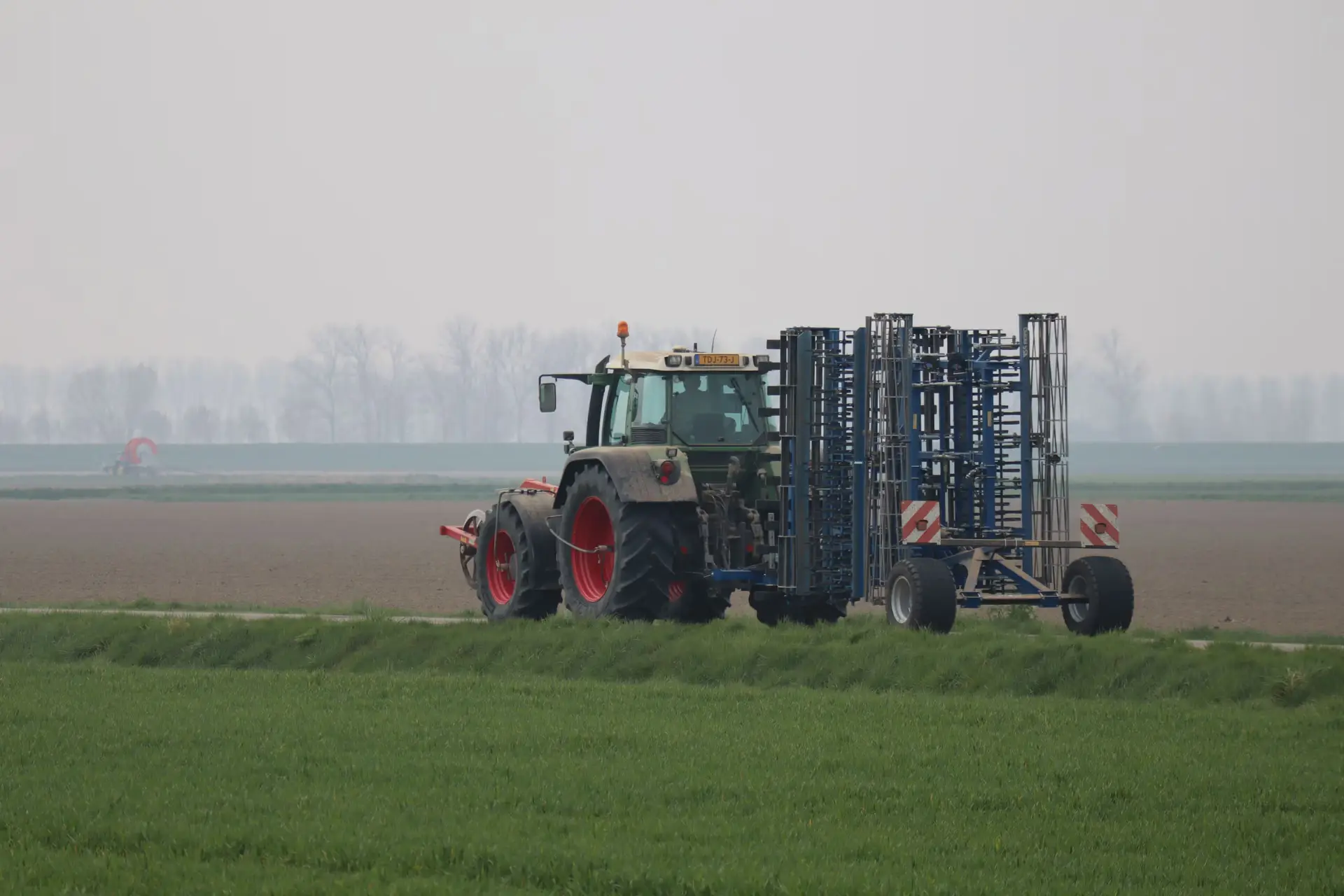
The timing could hardly be worse for the region’s agricultural sector. Driven by an advanced season, the first harvest is imminent. Yet the farmers of Geneva, who cultivate land on both sides of the frontier, now face a logistical blockade. The professional association Agrigenève, led by cantonal parliamentarian Patricia Bidaux of the centrist Die Mitte party, argues that the few border posts scheduled to remain open are entirely inadequate. Routing a daily fleet of combine harvesters and heavy tractors through a handful of bottlenecks is an administrative fantasy completely detached from agricultural reality.
This cross-border farming is a deeply entrenched practice dating back to 1815. Special free-zone agreements established over two centuries ago dictate how land is managed across this specific frontier. However, these historical treaties come with strict stipulations. Geneva’s farmers are legally prohibited from storing their equipment on French soil. Additionally, harvested crops cannot be stockpiled across the border, nor can French neighbors legally step in to assist. The Swiss agricultural sector, traditionally relying on a naive assumption of perpetual stability with its neighbor, finds itself paralyzed by the sudden imposition of a hard border.
Diplomatic summits operate on fixed schedules, but nature does not. Delaying the harvest by a few days to accommodate the political elite is biologically impossible. Crops must be brought in when they are ready, a fact of life that has clearly eluded the security planners orchestrating the closures. Fresh produce logistics will be similarly choked, leaving vegetable growers scrambling for solutions. The frustration in Geneva highlights how the administrative machine prioritizes its own high-profile events over the basic economic activities that sustain the region.
In response to this administrative overreach, Agrigenève has issued a clear demand to the authorities. We demand exceptional regulations, particularly for the use of field paths, quite simply. We need routes that are really passable for agricultural vehicles, and additional border posts, the association declared in an official statement. Whether the security apparatus, notoriously rigid and currently preoccupied with projecting authority, will accommodate these practical necessities is highly doubtful. Geneva’s farmers are left staring across a barricaded border, watching their crops ripen while politicians prepare to pose for the cameras.
Written by Thorben Thiede thorben.thiede@alpineweekly.com