Oct 22, 2:02 PM
A Grid Operating on Pure Luck
Germany’s narrow escape from a major blackout exposes the deep vulnerability of its national energy infrastructure.
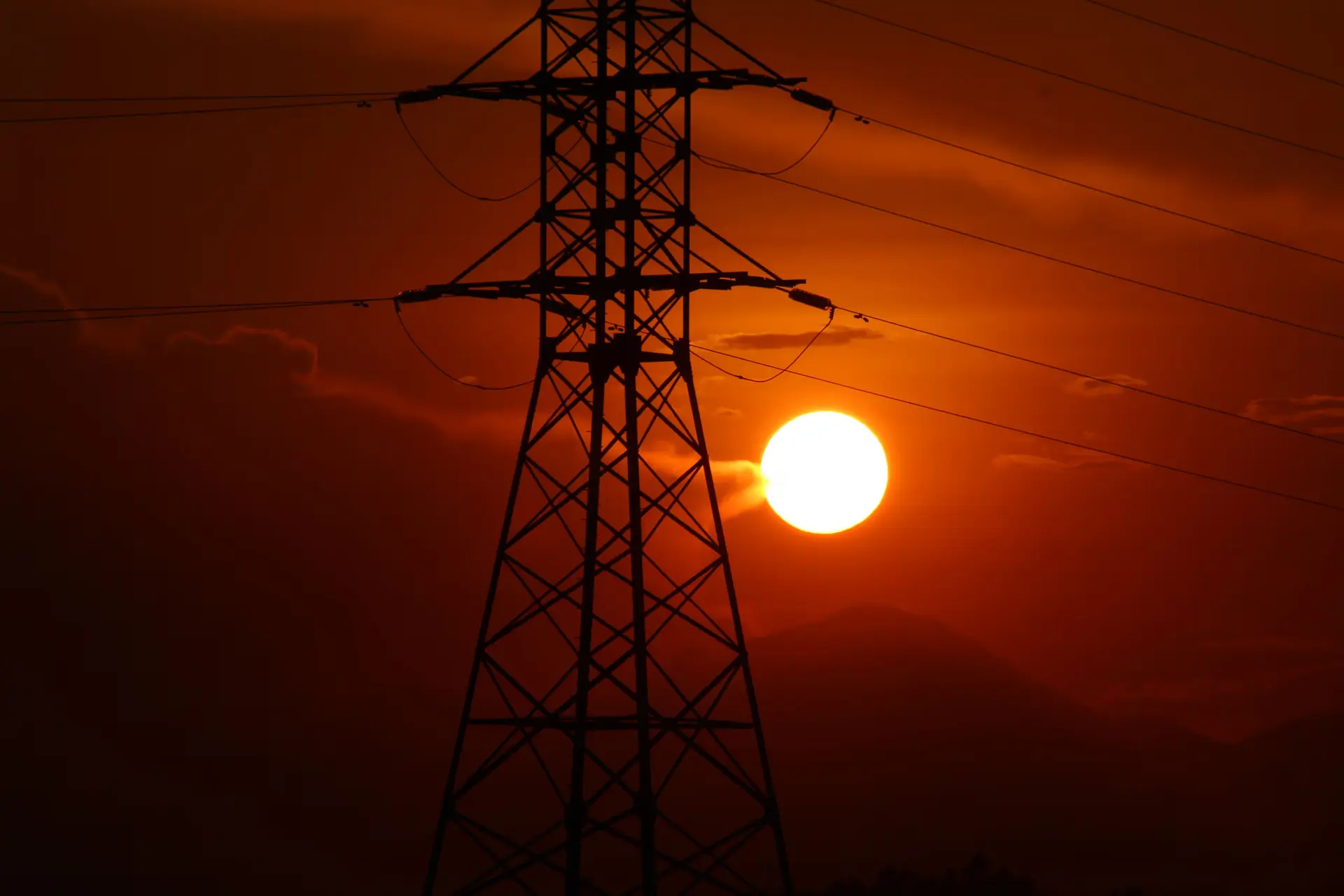
When a nation’s power grid narrowly avoids a major blackout, official channels are quick to reassure the public that safeguards functioned as intended. Yet behind the reassuring communications lies an uncomfortable truth: Germany’s modern industrial infrastructure was saved not by prudent foresight, but by pure good fortune. Managing a massive European economy on the razor's edge of energy stability is a strategy that belongs in a casino, not in responsible governance.
This latest close call exposes the precarious reality of German energy management. Years of ill-conceived political interventions and the systematic dismantling of reliable baseload power have left the national grid balancing on a knife-edge. When routine operational strains instantly raise the spectre of a widespread system collapse, the official narrative of a smooth, modern energy transition reveals its profound flaws.
For citizens already contending with relentless inflation and diminishing purchasing power, reliable electricity ought to be a basic baseline, not an occasional luxury. For corporate leaders and industrial decision-makers, the message is equally sobering. Capital and enterprise cannot thrive in an environment where basic power supply relies on favorable circumstances and sheer luck. Weak political leadership has managed to transform one of the world’s historically most dependable utility networks into an ongoing economic liability.
As businesses quietly plan their exit to jurisdictions with more stable conditions and predictable costs, the political establishment continues to act as if everything remains under control. Yet the systemic issues plaguing the network cannot be wished away with optimism or political rhetoric. A power grid that requires constant emergency balancing is not a modern achievement; it is an infrastructure crisis waiting to unfold.
If the nation's primary line of defense against a catastrophic blackout remains blind luck, the underlying political vision has already failed its most elementary duty. An industrial powerhouse cannot survive on good intentions alone, especially when its political class actively chooses ideology over basic stability.
Written by Thomas Nussbaumer thomas.nussbaumer@alpineweekly.com