Oct 19, 4:01 PM
The Polished Hypocrisy of Eco-Celebrity Bling
Ellie Goulding’s diamond blunder exposes the thin veneer of high-society virtue signaling.
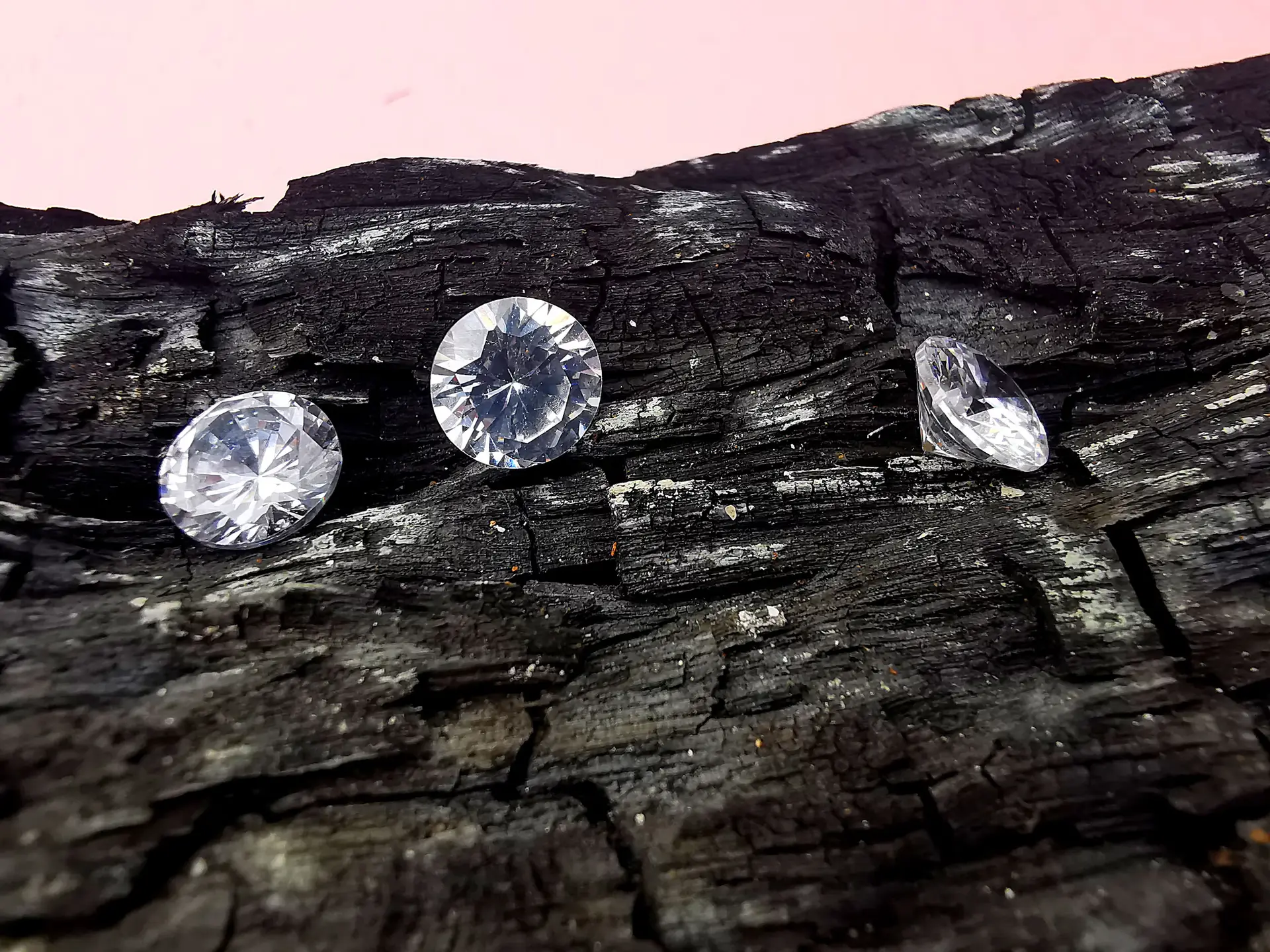
It is a familiar spectacle in the world of high society: the vocal champion of ecological responsibility steps out under the press lights, draped in the very luxury goods whose extraction damaged the planet. The latest performer in this routine is pop singer Ellie Goulding, who found herself scrambling to explain why a high-profile ambassador for nature was promoting diamonds from one of Australia's most environmentally contested mining sites.
At an event in London for the high-end jeweler Boodles, Goulding posed while wearing newly acquired pink diamonds originating from the Argyle mine in Western Australia’s Kimberley region. The conflict was immediate. Mining at the site ceased in 2020 after nearly four decades of extraction by Rio Tinto, but local Indigenous representatives from the Gelganyem Group remain locked in discussions over persistent chemical contamination, specifically PFAS, and the incomplete rehabilitation of their ancestral lands.
For an artist awarded an MBE for services to climate and biodiversity—and who sits as an ambassador for both the United Nations Environment Programme and WWF—the lapse was glaring. Goulding promptly retreated, expressing remorse for her failure of due diligence, claiming ignorance regarding the history of the Argyle site, and promising never to wear gems from the location again.
The Gelganyem Group, led by Gija woman Kia Dowell, acknowledged the apology, utilizing the moment to direct public scrutiny back onto Rio Tinto and its corporate obligations. For its part, the mining giant maintained that cleanup efforts are underway. “Mining at Argyle in Western Australia ended in 2020 after 37 years, and we are currently undertaking major mine closure works, including rehabilitation, with long-term monitoring and maintenance to follow,” Rio Tinto stated, adding that it continues to consult with local representatives. Boodles, meanwhile, deflected criticism by pointing out that it simply purchased the remaining inventory and brand assets rather than running the mine itself.
This quiet collision between celebrity branding and industrial reality exposes the limits of performative virtue. It requires a remarkable degree of compartmentalization to advocate for Indigenous rights on paper while adorning oneself with multi-carat gems from contested soil. A swift press release may preserve a pop star's public image, but scrubbing toxic chemicals from damaged land requires considerably more than a pledge to do better next time.
Written by Sandy van Dongen sandy.vandongen@alpineweekly.com