Aug 27, 4:01 PM
The Ice Returns Its Baggage
Decades after a young climber dropped his equipment into a Tyrolean crevasse, receding glaciers force a long-forgotten reunion.
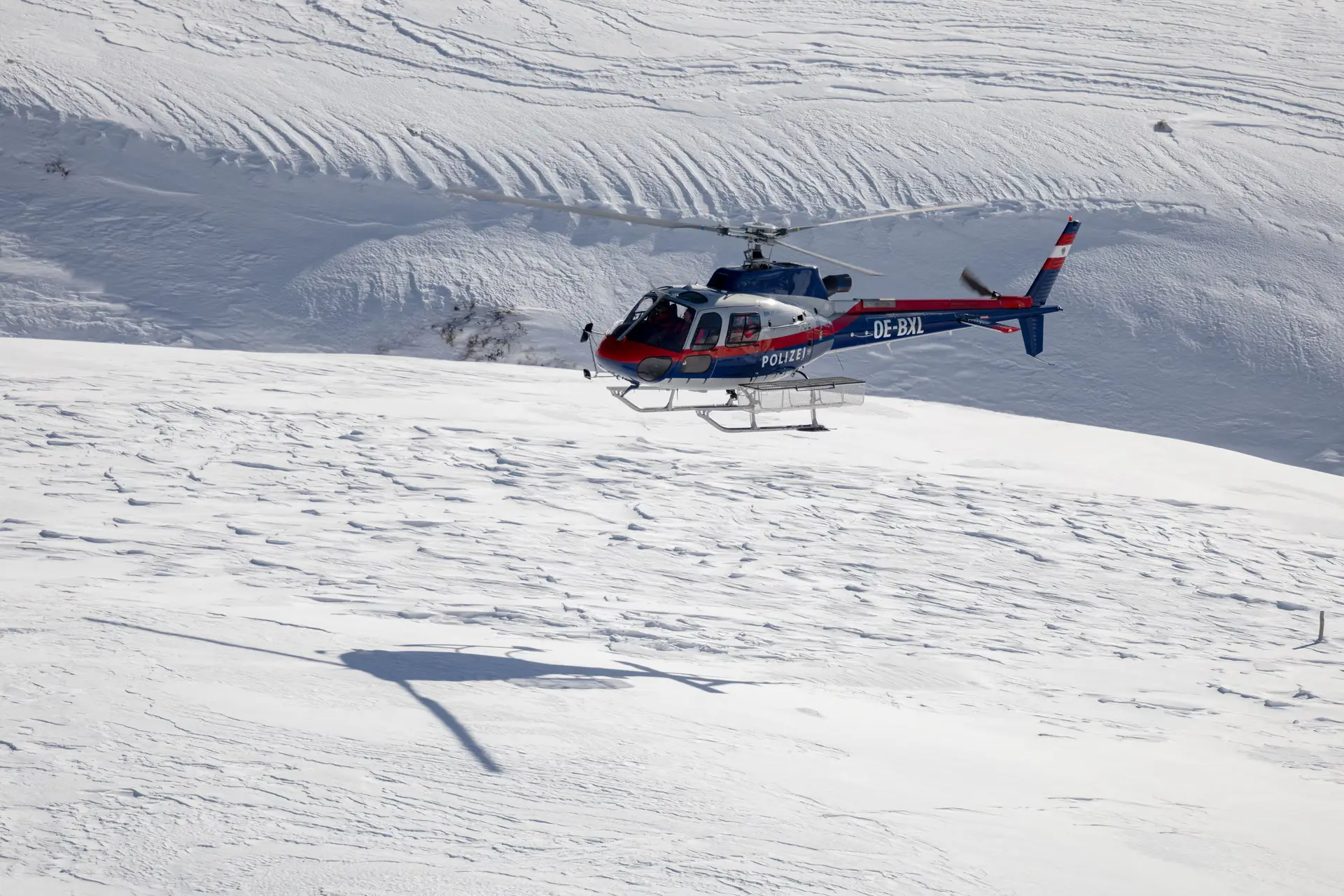
Nature has an unhurried, almost ironic way of auditing human affairs. For over six decades, the Sulztalferner glacier in Austria’s Tyrol region quietly stored a bundle of personal history at nearly 3,000 metres above sea level. It took a particularly warm July and an observant hiker to finally settle the account.
What emerged from the receding ice was a snapshot of mid-century mountaineering: an ice axe, a camera, a tobacco pipe, and a waterlogged backpack containing frayed personal documents. The items belonged to a young man who, back in August 1963, slipped into a deep crevasse while crossing the ice with his companions. Secured by a shared rope, his friends managed to haul him back into the frigid air, but only after he unbuckled his heavy pack and cast it into the abyss to lighten the load.
Decades passed, the ice shifted, and state bureaucracy eventually caught up with the past. Austrian police painstakingly analyzed the decayed paperwork recovered from the pack, identified the long-lost climber, and tracked him down. Now 86 years old and in declining health, the original owner was unable to make the trip to collect his long-lost possessions himself. Instead, his son stepped in to receive the vintage equipment on his father's behalf.
The episode highlights a broader pattern across the high Alps, where thermal retreat is relentlessly dismantling the frozen vaults of history. The mountains are systematically disgorging everything humanity once buried beneath the snow line. On Mount Scorluzzo, overlooking the Stelvio pass, the thaw exposed a First World War military barracks used by Italian troops confronting Austro-Hungarian forces during the harsh Alpine conflict. Over the past twenty years, the same slopes have given up the preserved remains of dozens of fallen soldiers, some still clad in their century-old uniforms.
The most extraordinary yield of this glacial thaw remains Ötzi, the 5,300-year-old mummified hunter discovered by German hikers in 1991 in the Ötztal Alps near the Italian border, whose tattooed body now rests in a museum in Bolzano. As the ice continues to shrink, the high peaks are returning past baggage with administrative precision. The Alpine glaciers may be vanishing, but they are ensuring that nothing left behind stays forgotten forever.
Written by Christiane Hofreiter christiane.hofreiter@alpineweekly.com