Sep 2, 12:01 PM
Selling the Stars: Saudi Arabia Turns the Night Sky into Luxury
High-end resorts in the Kingdom secure DarkSky certification by commodifying the darkness urbanites lost
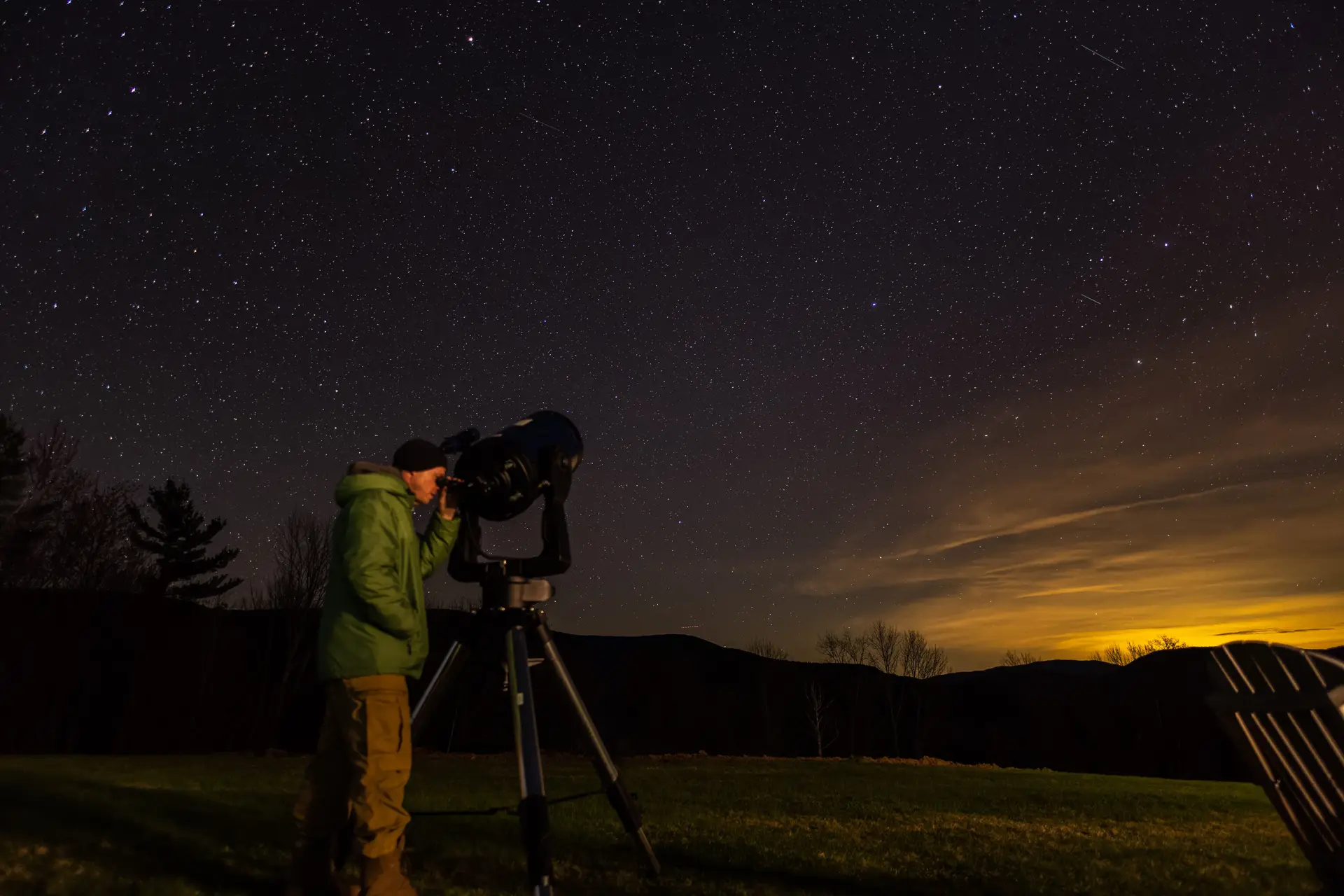
Darkness, it seems, has become the newest luxury commodity on the global market. As urban sprawl and relentless electrification swallow the night sky across the globe, the ability to see a constellation has transformed from a universal human experience into an exclusive holiday feature.
Naturally, Saudi Arabia’s burgeoning luxury tourism sector was quick to spot the opportunity. Two of the Kingdom’s high-end developments—Nujuma, a Ritz-Carlton Reserve, and the expansive 30,000-square-metre Desert Rock Resort—have become among the very first properties globally to secure official DarkSky International certification under a framework launched in August. The organisation, dedicated to curbing light pollution and promoting responsible outdoor illumination, vetted the locations for their exceptional dark sky resources and commitment to preserving natural night cycles.
At Desert Rock, carved directly into the Hijaz Mountains a mere twenty-minute drive from Red Sea International Airport, guests residing in one of the 54 villas or 10 suites can step away from their private pools to contemplate the cosmos. The resort features its own Astronomy Centre equipped with high-powered telescopes, offering structured hour-long observation sessions that blend scientific observation with local cultural heritage. For those wishing to wander off on foot, the Luna Trail hosts guided night hikes focused on historical navigation and ancient lunar calendaring. To achieve its dark-sky stamp, the property intentionally restricts artificial lighting, a measure that protects both guest viewing conditions and the natural light-dark cycles of desert wildlife.
A short distance away, surrounded by the turquoise waters of the Red Sea, Nujuma takes its name directly from the Arabic word for stars. Here, beachfront villas with expansive wall-to-wall panoramic windows are complemented by an in-house astronomy expert tasked with leading guests through guided stargazing tours detailing the local significance of the celestial bodies.
The commercial logic is undeniable. In an era where modern cities drown in perpetual twilight, packaging the pristine night sky as a premium amenity requires little more than turning off a few light switches and installing a telescope. Whether this represents environmental stewardship or simply clever positioning for high-end hospitality, the outcome is clear: the night sky now comes with a room key.
Written by Thorben Thiede thorben.thiede@alpineweekly.com