Nov 7, 7:01 PM
Geneva Museum Begins 30-Million-Franc Operation Against Beetle Infestation
Drugstore beetles threaten rare taxidermy specimens, forcing a multi-year remediation and anoxic treatment process.
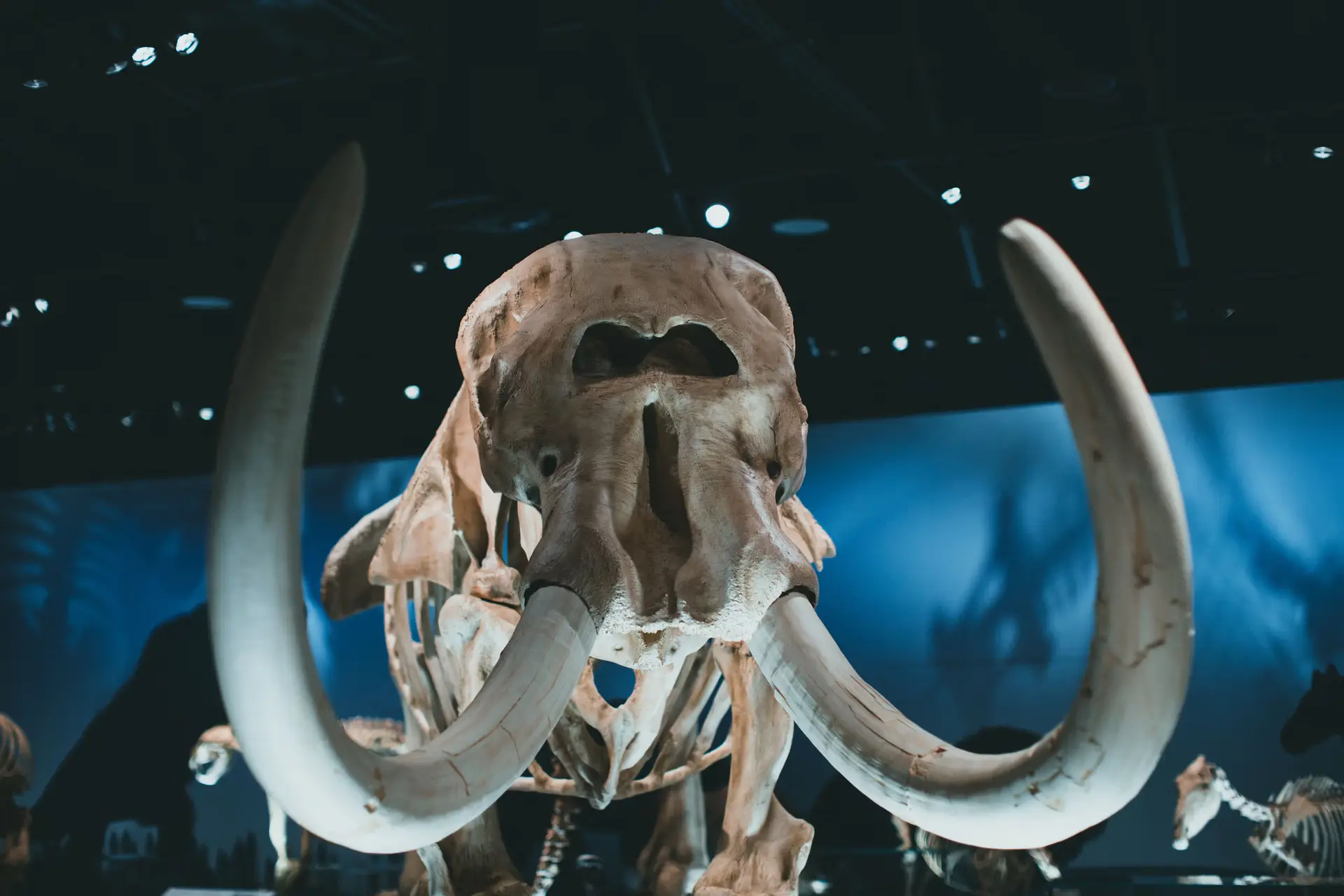
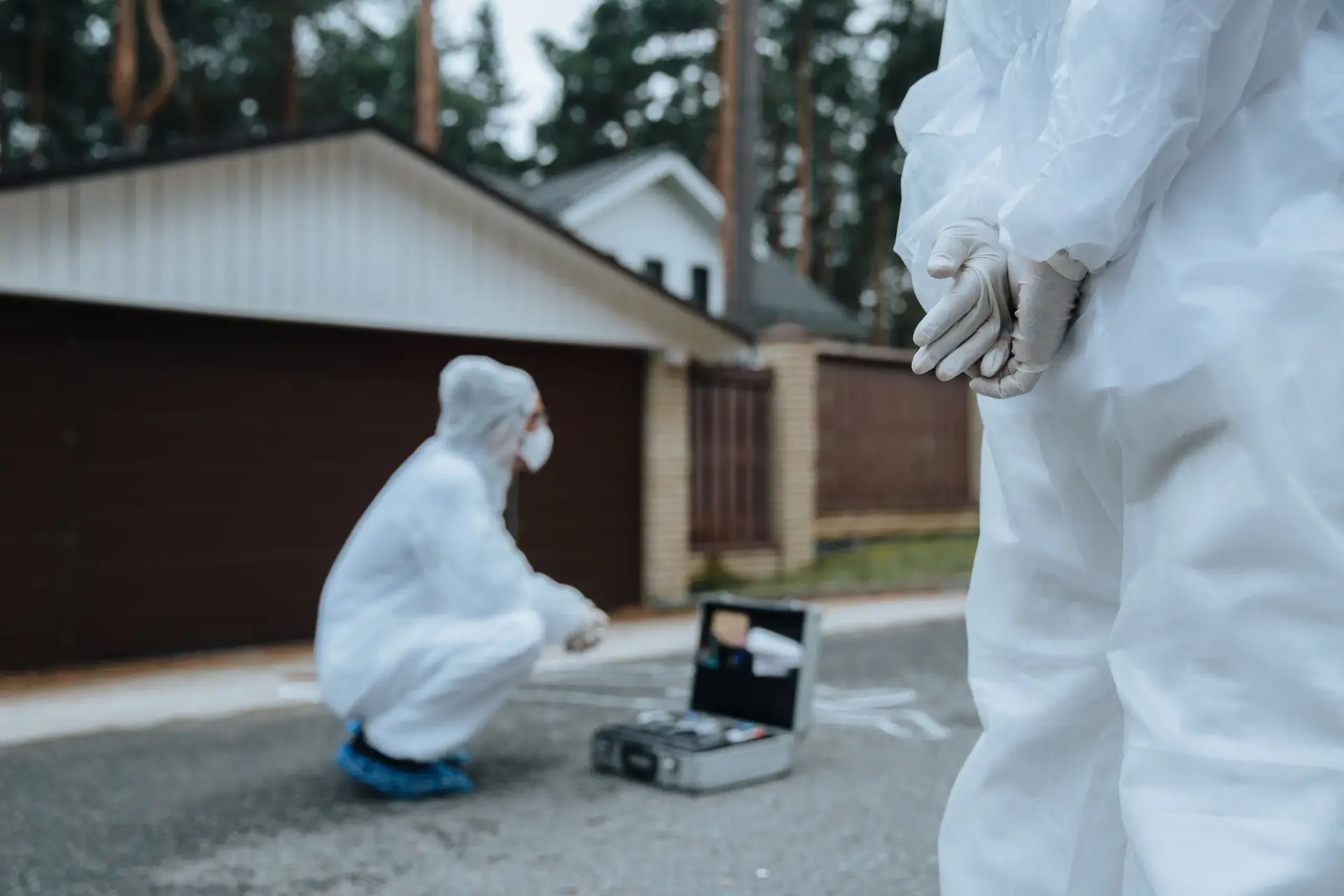
The Natural History Museum of Geneva has launched a decontamination project costing 30 million Swiss francs to save thousands of taxidermy specimens from a severe beetle infestation. Nearly 1,000 preserved animals are being transferred to a secret, secure off-site location for treatment, museum staff informed public broadcaster RTS.
The pest in question is the drugstore beetle, or Stegobium paniceum, a small insect that feeds on feathers, hair, and other organic matter present in taxidermy collections. Museum conservators first detected the infestation in September 2025 and subsequently deployed specialized monitoring traps across the building. Delphine Rubin, the conservator responsible for pest control, explained that the traps allow staff to determine whether active breeding is ongoing in specific areas.
To destroy the insects without damaging the delicate taxidermy, conservators will use an anoxia treatment beginning in February. The procedure involves placing the affected specimens inside a large, heat-sealed plastic bubble where oxygen will be entirely removed for five weeks, suffocating the beetles and their larvae. While two floors and the museum's storage areas sustained minimal damage, the Swiss fauna exhibition was heavily affected, forcing staff to empty vitrines that had not been opened since the 1960s.
Chief conservator Alice Cibois stated that initial beetles likely entered the building undetected and laid eggs in warm, dark corridors. Nelly Cauliez, a heritage conservation advisor for the City of Geneva, emphasized the institution's responsibility toward the affected assets. “We have internationally unique pieces in our collections, and they require our full attention,” Cauliez told RTS.
To prevent future outbreaks, museum specialists plan to apply chemical treatments to display materials, rendering vitrine interiors inedible to insects. According to the institution's timeline, the museum will partially reopen to visitors in 2028, with the full restoration and reopening completed in 2036.
Written by Thomas Nussbaumer thomas.nussbaumer@alpineweekly.com