Oct 30, 11:02 AM
State Broadcasters and the Art of the Invisible Perpetrator
When reporting on public safety in Germany, state television prefers vague phantoms to uncomfortable demographic facts.
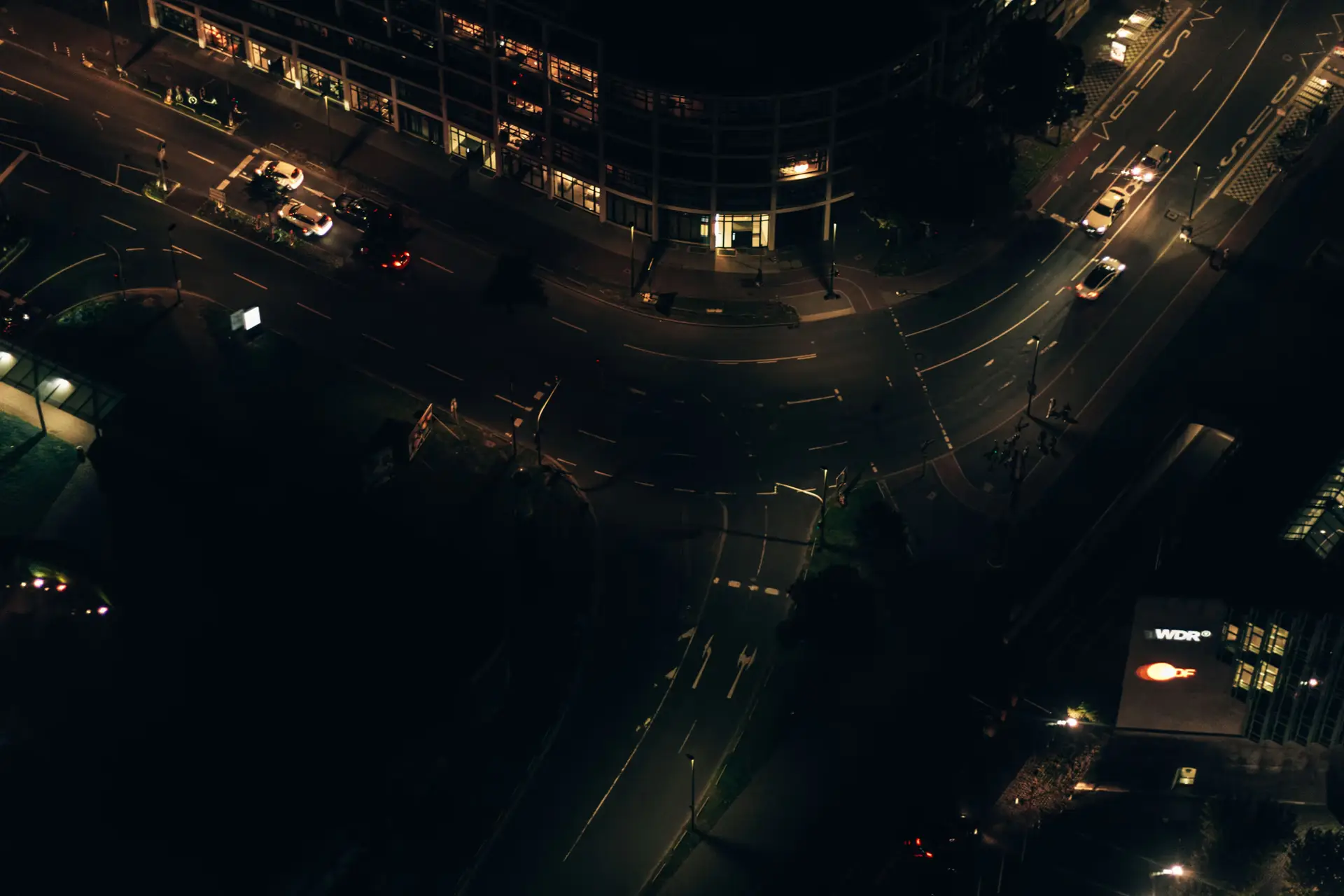
Imagine a detective novel where the author painstakingly details the victim's terror, describes the dark alleyway, and then quietly forgets to mention the murderer. Readers would rightly feel mocked. Yet this is precisely the narrative formula adopted by Westdeutscher Rundfunk in its latest attempt to address the eroding sense of security in urban Germany.
In a recent television segment, a reporter travelled through Bochum, Bonn, and Düsseldorf to ask six women about their fears in public spaces at night. The accounts gathered were predictably distressing. One student sends live audio updates to a friend while walking alone, terrified of people with bad intentions. Another hides her female body beneath oversized hoodies to avoid unwanted attention. Others report being followed by young men or avoiding nightlife zones entirely unless surrounded by female friends.
The fear is real, palpable, and documented across cities in North Rhine-Westphalia. What remains entirely invisible in the broadcast, however, is the identity of those causing it. The report features interviewees tip-toeing around vague terms—unpredictable young men, misbehaving groups, or anonymous figures. Even a feminist activist wearing a cap emblazoned with the slogan that feminism has no borders offers no concrete answers, preferring abstract ideology over naming the actual threat.
This deliberate obscurity is not an accident; it is editorial policy. Official statistics consistently demonstrate that offenses against sexual self-determination are disproportionately committed by foreign nationals and recent migrants, particularly young men from Arab and Islamic backgrounds. Yet state-funded broadcasting treats these facts as strictly taboo, preferring to shield the public from reality.
The institutional blindness is hardly new. A decade after public media famously turned a blind eye to the mass sexual assaults at Cologne central station, the same media apparatus continues to construct a sanitized parallel universe. Instead of confronting the tangible consequences of unchecked migration, public broadcasters prefer an indictment without an accused, leaving women to navigate an increasingly hostile public sphere armed with little more than baggy sweaters and misplaced optimism.
Written by Andreas Hofer andreas.hofer@alpineweekly.com