Oct 19, 6:01 PM
When the Whistle Refuses to Blow: Africa’s Football Title Remains Trapped in Swiss Arbitration
Ten months after Senegal beat Morocco on the pitch, a panel of European legal scholars in Lausanne is still deciding who actually won.
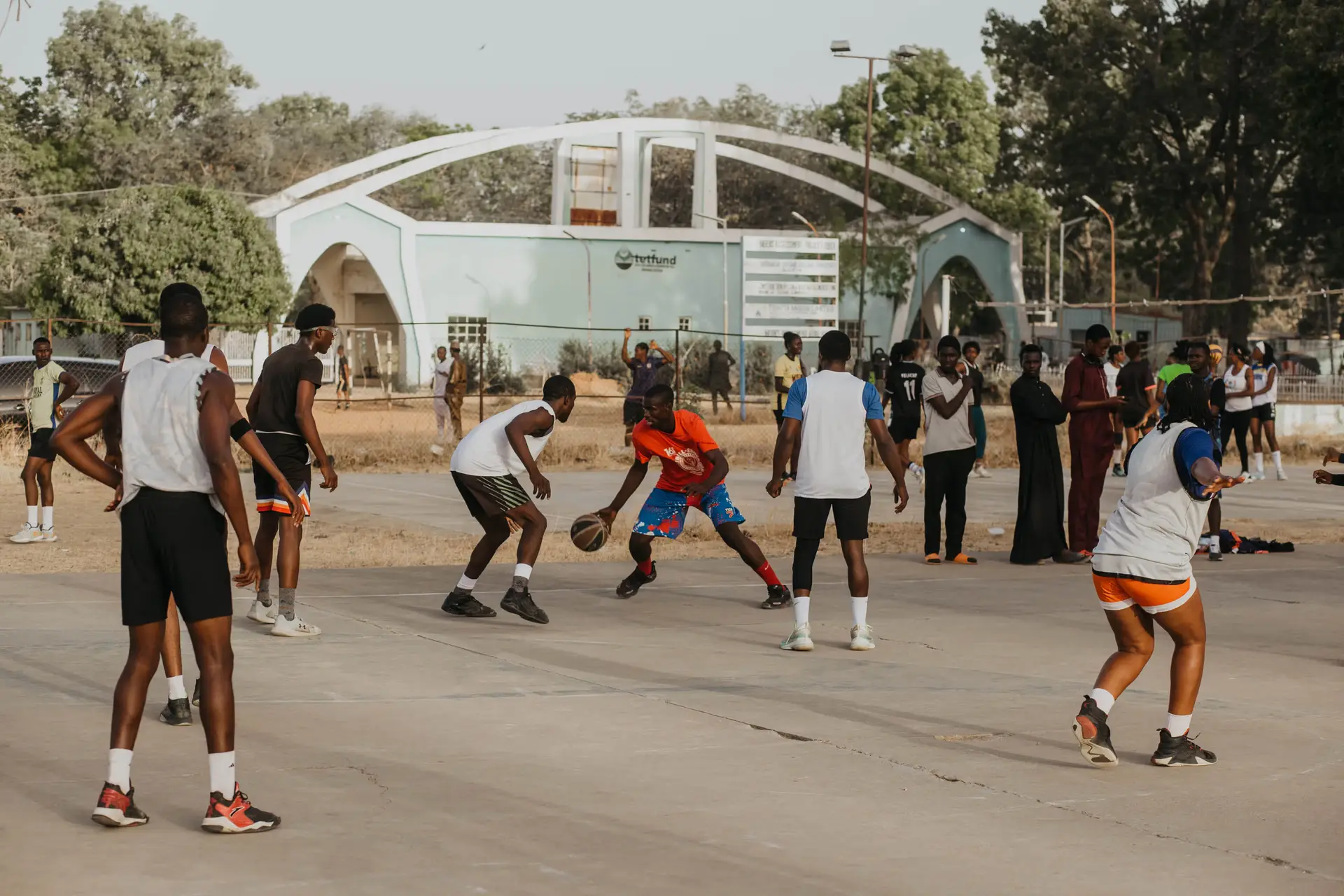
When a football match ends after extra time, one typically assumes the scoreboard tells the story. Modern sports administration, however, prefers a much longer, more paper-heavy overtime. Ten months after Senegal defeated host nation Morocco on the pitch in Rabat to claim the Africa Cup of Nations, the ultimate victor remains a matter of legal debate in Lausanne.
The Court of Arbitration for Sport has confirmed that it will not deliver its final judgment until the end of November 2026. What was initially expected to be settled within days of an October hearing has drifted into a full procedural exercise requiring a formal ruling. The court stated that this process will require several weeks, with the CAS Award expected at the end of November 2026.
At the center of this bureaucratic marathon is a 14-minute interruption during January's final. Senegal’s squad briefly walked off the field, with several players returning to the dressing room in protest after a penalty was awarded to Morocco late in regulation time. Play eventually resumed, Morocco missed the kick, and Senegal scored the decisive goal in extra time to secure a 1-0 triumph.
The real drama began two months later in the committee rooms of the Confederation of African Football. CAF’s Appeal Board unilaterally overturned the result, deciding that Senegal’s brief exit constituted a full forfeiture. Morocco was retroactively awarded a 3-0 win and the championship trophy.
Senegal lodged an appeal in Lausanne on March 25, arguing a basic principle of the game: the referee’s decision on the field is final, and the official chose to let the match reach its natural conclusion. It took six months for the court to hear the arguments on October 8. Outside that hearing, CAS Director General Matthieu Reeb noted that the facts are set, are clear and the discussions will be on some procedural issues and legal aspects, adding that he recognized it was a long wait for the fans.
A panel composed of French sports law expert Gerald Simon, Italian international law professor Luigi Fumagalli, and Zurich law professor Ulrich Haas is now weighing those procedural technicalities. Their verdict will carry the full legal weight of a national court judgment.
Whether this protracted deliberation serves sporting integrity or merely highlights the supremacy of administrative machinery over athletic competition is a question observers might reasonably ponder while waiting nearly a year for a final result. When legal scholars hold the whistle longer than the match official, the spirit of the game inevitably takes a backseat to institutional protocol.
Written by Christiane Hofreiter christiane.hofreiter@alpineweekly.com