
Oct 19, 6:01 PM
The High-Tech Confirmation of Canine Empathy
Brain scans at the University of Vienna reveal that dogs process human smiles much like physical rewards.
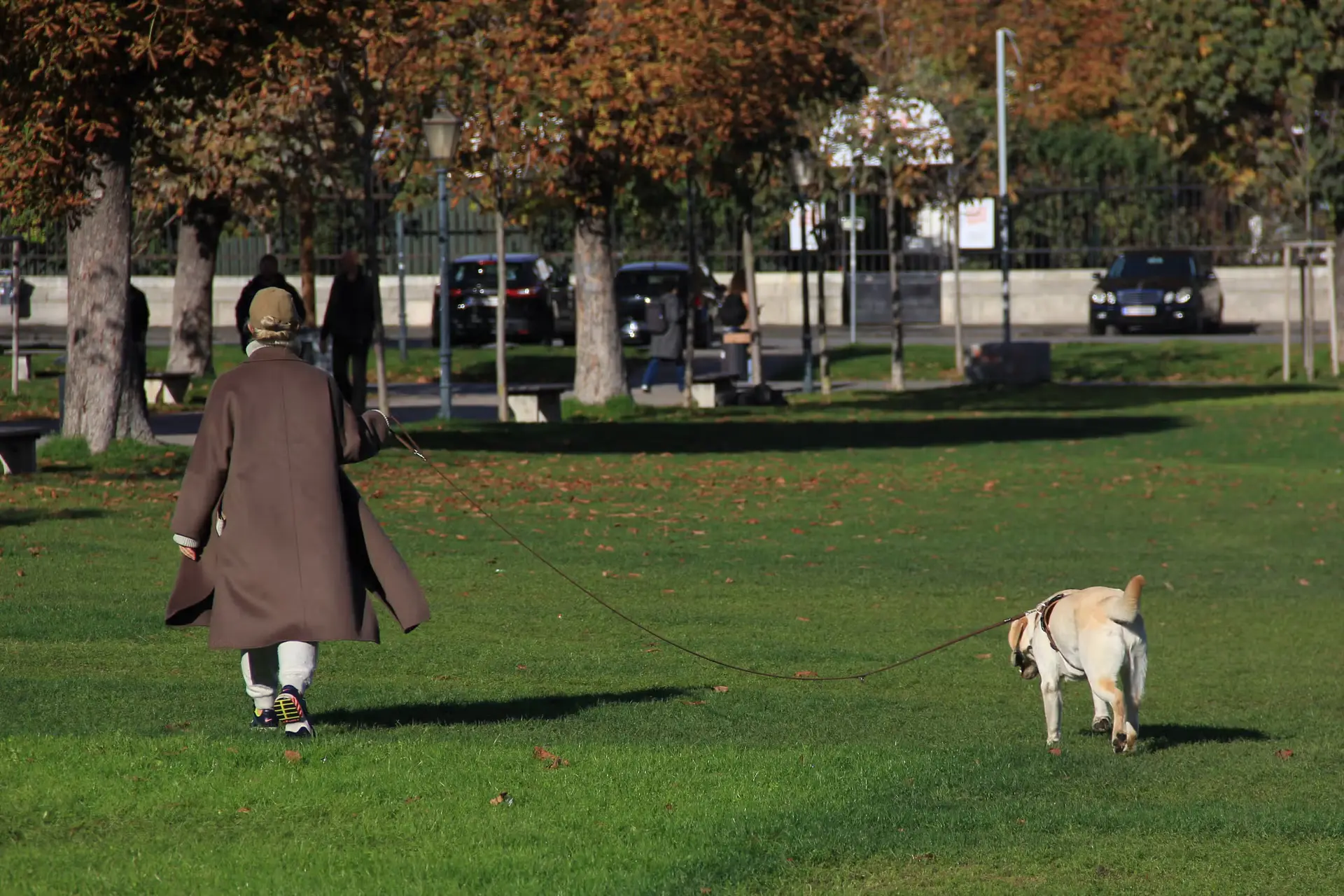
Every dog owner has long maintained, with absolute conviction, that their four-legged companion possesses an uncanny sensitivity to human moods. Science, which usually takes its time confirming what pet lovers claim over morning coffee, has now decided to validate the sentiment using high-tech medical machinery.
Researchers at the University of Vienna spent months persuading fourteen dogs—mostly Border Collies, along with three Golden Retrievers, a Labrador, and a mongrel—to hold perfectly still inside a magnetic resonance scanner. The animals were required to remain motionless for ten minutes at a time, moving no more than three millimeters, while viewing images of unfamiliar human faces. One might wonder if human subjects in psychological experiments display half as much discipline.
The results reveal that dogs process human facial expressions with remarkable neurological specificity. When presented with smiling, joyful faces, the dogs showed pronounced activation in the nucleus caudatus, a neural region linked to reward processing. In canine terms, gazing upon a happy human triggers similar neurological activity to receiving a treat or an affectionate stroke.
According to Laura Cuaya, one of the researchers involved in the study, happy human faces appear to carry direct emotional value for dogs. The strongest cerebral responses were consistently reserved for cheerful expressions, rather than those depicting anger, fear, or sadness. Raúl Hernández-Pérez, a fellow researcher on the project, pointed out that humans excel at perceiving fine facial details, and dogs have learned to do much the same.
This capability is hardly an accident of nature. Millennia of domestication have effectively forced dogs to evolve complex social tools to decode human behavior for their own survival and integration into human households. A separate study by British researchers in Scientific Reports further noted that human emotions cross species lines in other ways, as dogs can become anxious simply by smelling human fear.
Whether this makes dogs our most empathetic allies or simply master tacticians in managing their food providers remains an open question. What is clear is that our expressions do not go unnoticed, even by those who cannot talk back.
Written by Thorben Thiede thorben.thiede@alpineweekly.com