Aug 31, 2:01 PM
The August Delusion: Football’s Transfer Circus Reaches Its Deadline
As English clubs spend over two billion pounds, mainland Europe settles for selling off its future talent.
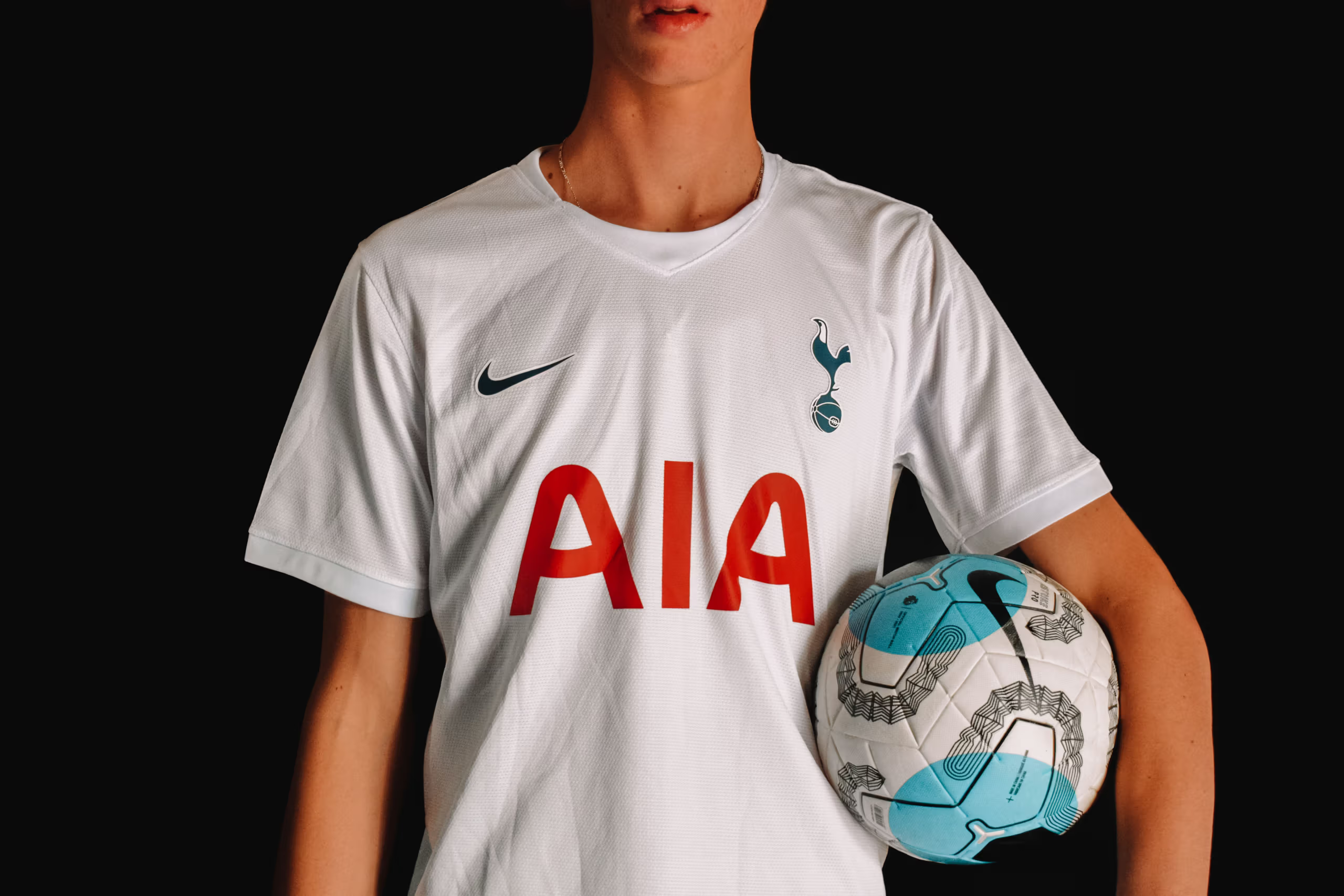
Every summer ends with the same ritual of financial absurdity. As the deadline approaches for the 2026 summer transfer window—August 31 for Germany and France, September 1 for England, Spain, and Italy—club executives spend millions on last-minute panic purchases. The Premier League continues to operate on a different plane of economic logic, with total expenditure breaching the 2 billion pound threshold.
Leading the charge is Chelsea, racking up a staggering $476 million bill, capped by securing Morgan Rogers for a record 117 million pounds. Tottenham and Manchester City follow close behind, dropping $413.8 million and $318.9 million respectively. City’s acquisitions include Elliot Anderson for 116 million pounds and teenager Ayoub Bouaddi from Lille for 100 million euros. When French talent leaves Ligue 1 for nine-figure sums, it highlights how quickly domestic football on the continent is being stripped of its assets to feed English squad depth.
The continental response is a study in contrasts. German football continues its role as a talent supplier for wealthier suitors, exemplified by RB Leipzig surrendering 19-year-old Yan Diomande to Real Madrid for a club-record 140 million euros. In Spain, Real Madrid can still flex significant capital, whereas Barcelona’s fiscal realities force a more frugal approach. The Catalans managed 70 million euros for Anthony Gordon while hunting discount options like Gabriel Jesus for a modest 10 million euros. Meanwhile, Liverpool made the window’s costliest single move by luring French international Bradley Barcola from Paris Saint-Germain in a $162 million deal.
The administrative machinery governing these transactions remains famously fragile. While Premier League teams exploit a two-hour grace period using official deal sheets after their 11pm deadline, administrative failure is always around the corner. History offers plenty of warnings, from David de Gea’s move to Madrid collapsing over a broken fax machine in 2015 to Blackburn Rovers failing to sign Duncan McGuire in 2024 because an administrator clicked save instead of submit.
Whether these inflated outlays yield actual sporting success is entirely secondary to the spectacle itself. As the clock ticks down to deadline hour across Europe, clubs continue to throw good money after bad, convinced that one final wire transfer will solve a season's worth of structural defects.
Written by Thomas Nussbaumer thomas.nussbaumer@alpineweekly.com