Oct 31, 7:01 AM
Dakar’s Olympic Ambitions and the Business of Continental Prestige
As Senegal prepares to host Africa’s first Youth Olympic Games, political realities elsewhere present a sharp contrast.
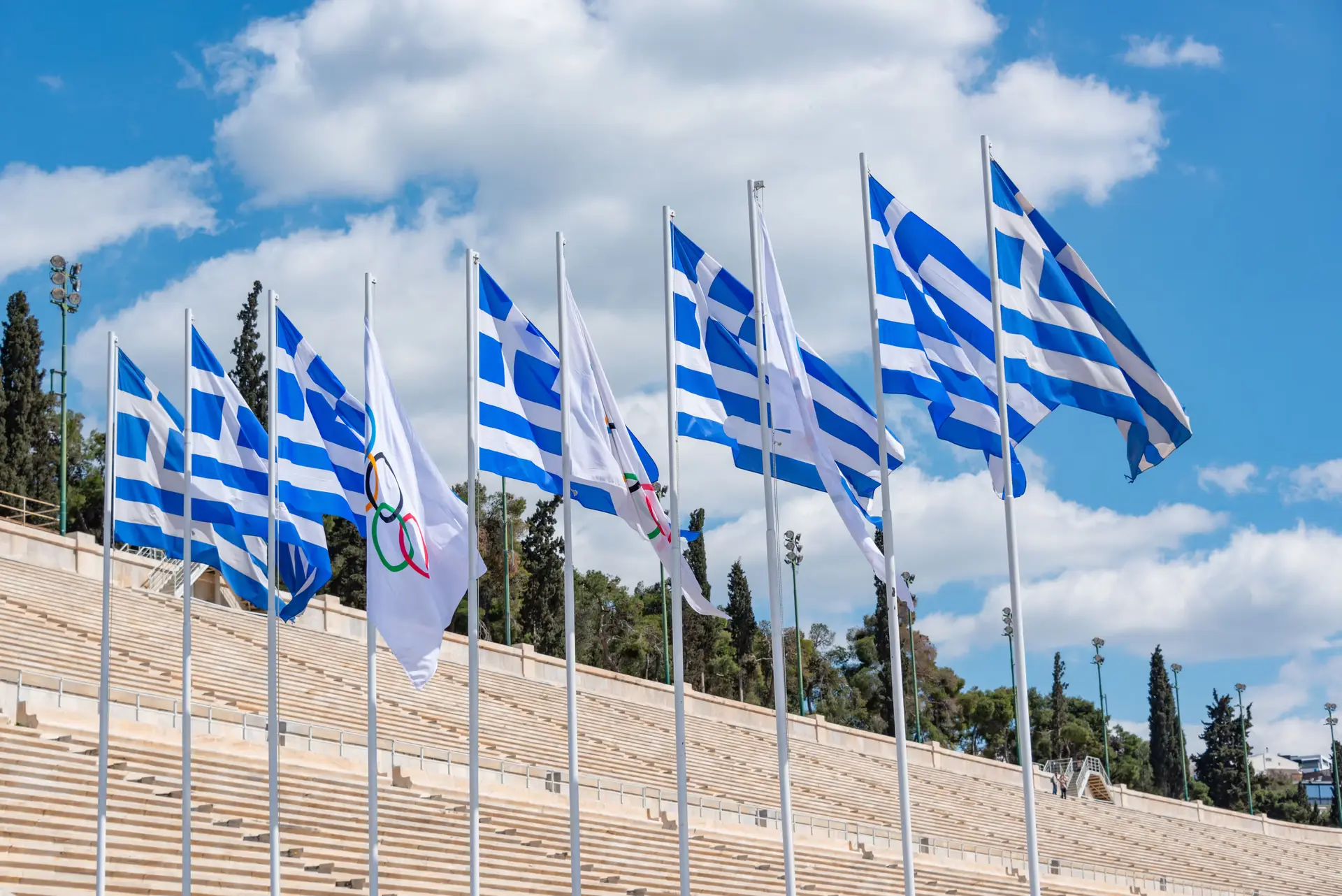
Dakar is preparing to roll out the red carpet for nearly 2,700 young athletes in 2026, marking a symbolic milestone: the first Olympic event ever staged on African soil. For the International Olympic Committee and Senegalese organizers, the Youth Olympic Games represent a carefully choreographed entrance into the global sporting canon. It is a moment designed to project modern capability, infrastructure, and institutional competence from the West African coast.
Yet host cities rarely buy simple celebration when they purchase major international tournaments. They purchase scrutiny. Staging an event of this scale requires logistical precision and fiscal discipline—qualities that global sporting bodies demand as standard, even if they often struggle to maintain them themselves. Senegal now carries the weight of proving that the continent can manage high-stakes international sporting events without falling into the familiar traps of cost overruns and bureaucratic drag.
While Senegal focuses on athletic infrastructure and international branding, political realities elsewhere on the continent highlight a very different kind of performance. In South Africa, the ruling African National Congress approaches the November 4 local elections under growing pressure over its record in local government. For voters, civic competence is measured not in grand athletic projects, but in routine municipal administration and functional local governance.
The contrast is instructive. International spectacles offer leaders a clean canvas and global applause, but domestic political endurance relies on mundane efficiency. When political entities fail to deliver on routine governance, no amount of institutional pride or public relations achievement can shield them indefinitely from accountability at the ballot box.
Cultural identity, however, has a habit of persisting regardless of political cycles or sporting calendar milestones. Musician Muse L'Artiste illustrated this continuity with her latest EP, Heritage, bringing her father’s musical compositions back to life and reconnecting with her roots. Whether through athletic competition, political contests, or artistic revival, the continent continues to negotiate its identity between past legacies and future ambitions. Dakar will have its moment in the spotlight, but the true test remains what happens after the crowds go home.
Written by Freya Stensrud freya.stensrud@alpineweekly.com