
Oct 31, 7:01 AM
Spain’s Socialist Project Derailed in Toledo
A deadly rail collision exposes the underlying fragility of Pedro Sánchez’s government weeks before a crucial election.
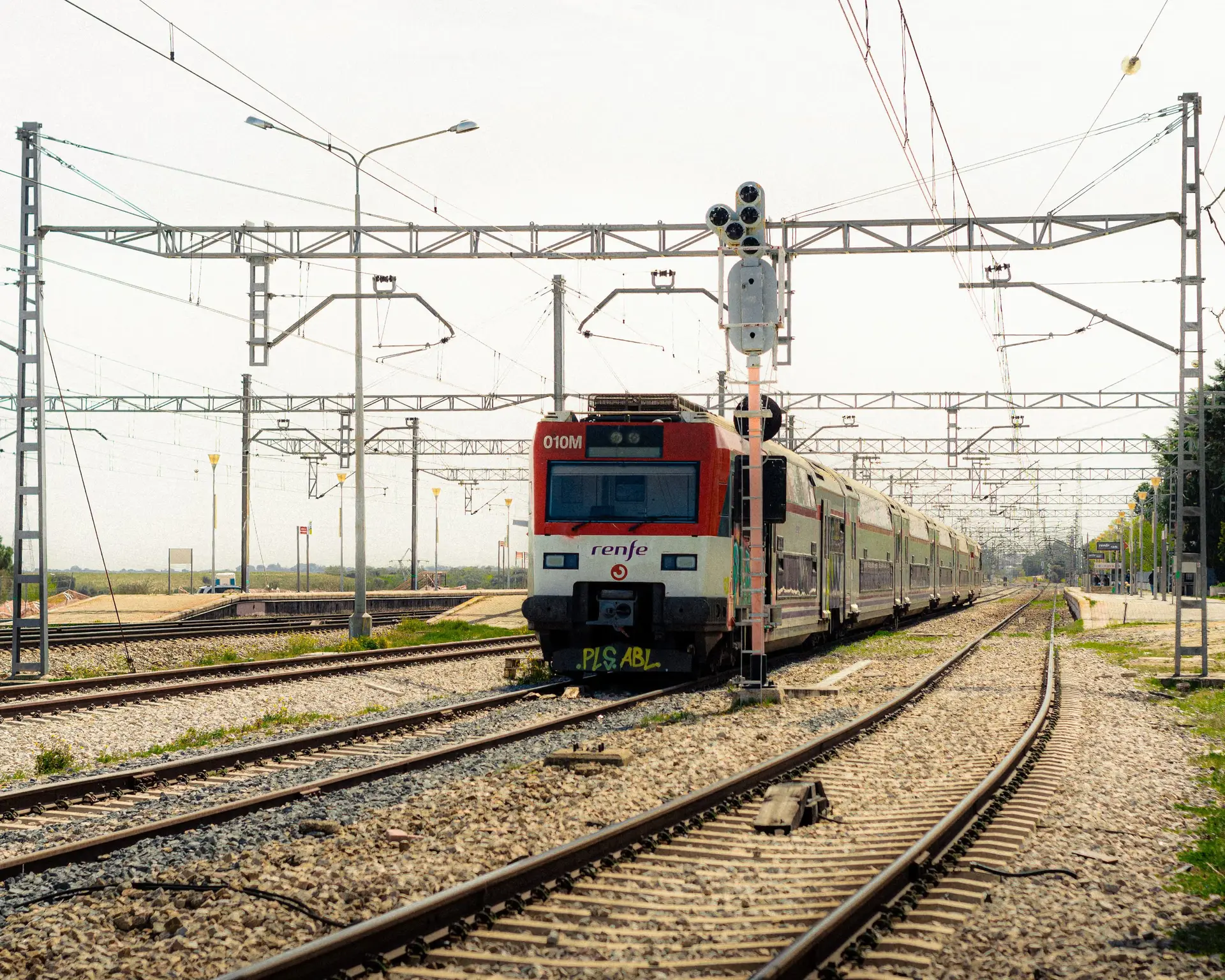
When a nation's infrastructure starts failing, political narratives usually collapse along with it. In Spain, the socialist government of Pedro Sánchez is discovering the limits of public patience as a high-speed train collision near Toledo leaves 69 people dead and an administration scrambling for cover.
The scene in central Spain—wreckage strewn over tracks and down an embankment—is horrifyingly familiar. Less than a year ago, 46 lives were lost in a similar crash near Cordoba. For a country that once boasted of its modern transit capabilities, two catastrophic failures in nine months signal something far deeper than mere bad luck. Yet, true to form, the administration in Madrid moved swiftly to shield itself from political fallout.
Transport Minister Oscar Puente lost little time in directing focus away from chronic underinvestment and straight toward individual error. During a press conference detailing what he termed objective facts, Puente explained that a controller had instructed a stalled train to proceed at speeds up to 160 kilometers per hour, right into another immobilized train. The impending tragedy was clearly visible on monitors in the Madrid control center, yet no counter-command was issued.
Defending the LZB safety mechanism, Puente casually revealed that the system had experienced 170 failures so far this year, describing the figure as normal and aligned with European Union averages. Refusing demands from the opposition People’s Party to step down, the minister insisted it was his duty to stay. I'll face up to things, explain, elucidate, he told reporters, promising to restore public confidence.
Whether citizens buy such assurances is another matter entirely. The railway disaster is merely the latest blow to a regime already suffering from an unmistakable mood of national decay. Before calling a snap general election, Sánchez was already wrestling with persistent corruption allegations surrounding close relatives, a sudden influx of migrants into the exclave of Ceuta, and fierce housing protests sparked by the eviction of an elderly pensioner.
Sánchez had hoped an early vote might reignite his political fortunes through a positive campaign. Instead, control over the national conversation has evaporated. Electoral models now assign a 95 percent probability to a right-leaning coalition between the People's Party and Vox. As commuters openly speak of shifting their allegiance from left to right, the government is finding that when basic state services cease to function securely, voters invariably seek an exit.
Written by Martina Kirchner martina.kirchner@alpineweekly.com