Nov 26, 9:01 AM
Zurich Reformed Church Backs Emergency Plan to Train Lay Pastors
A narrow synod vote brings a regional concordat closer to allowing career changers into the pulpit amid a growing shortage of theologians.
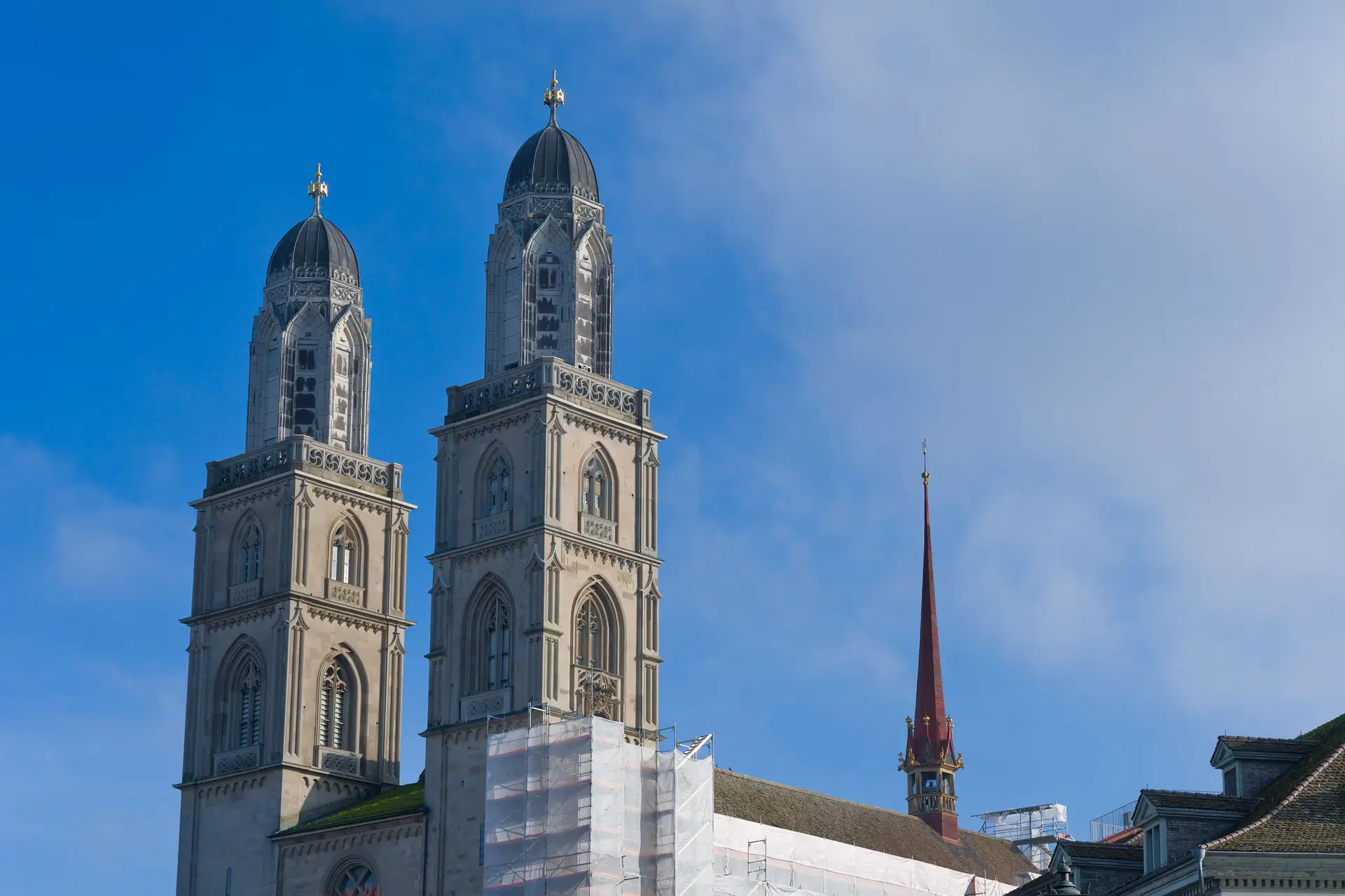
The Synod of the Reformed Church in the Canton of Zurich has narrowly approved an emergency proposal to allow career changers without standard theological degrees to train as pastors. In a vote of 49 to 45 with eight abstentions, the church parliament endorsed the initiative known as Plan P to address a growing shortage of clergy across German-speaking Switzerland. Zurich is the eighth cantonal church to back the measure, moving the proposal closer to the ten-canton approval threshold needed for implementation across the regional church concordat.
Under the proposed rules, individuals aged 55 and older who hold an academic qualification in another field can apply to perform pastoral duties, including conducting baptisms, funerals, and Sunday services. Candidates must clear an admission process and complete a shortened course of theological studies before taking up church positions. The Reformed Church estimates that German-speaking Switzerland will lack approximately 300 pastors over the next 15 years, with up to 100 ministers expected to retire annually between 2026 and 2031 alongside low university enrollment numbers in theology programs.
The concordat links 19 Reformed cantonal churches across German-speaking Switzerland, requiring a simple majority of ten cantons for regional adoption. Zurich joins Zug, Schwyz, Grisons, Glarus, Uri, Schaffhausen, and Solothurn in supporting the plan, while Aargau and Basel-Landschaft have rejected it. Nine cantonal church bodies have yet to vote on the proposal, with a final decision expected before Christmas.
The proposal has generated sharp debate within church governance and academic circles. Hanspeter Friedli of the Evangelical Church faction voiced concern over the condensed curriculum, stating that candidate pastors would take on core responsibilities after only one semester of study despite needing comprehensive knowledge of scripture, ethics, and pastoral care. The Faculty of Theology at the University of Zurich similarly cautioned that rapid qualification routes risk undermining the credibility of traditional master's degrees in theology.
Defenders of the initiative described it as a pragmatic instrument to maintain basic operations in smaller and outlying parishes. Church Council President Esther Straub rejected allegations of lowering standards, stating that the project opens a dedicated temporary window to handle an emergency without dismantling existing educational requirements. If two of the remaining nine cantons vote in favor in the coming weeks, the fast-track entry program will be formally established.
Written by Freya Stensrud freya.stensrud@alpineweekly.com