Oct 19, 6:01 PM
Wrestling with Accountability in Fribourg's Prisons
Allegations of dubious overtime and oppressive leadership reveal how easily Swiss public institutions protect their own.
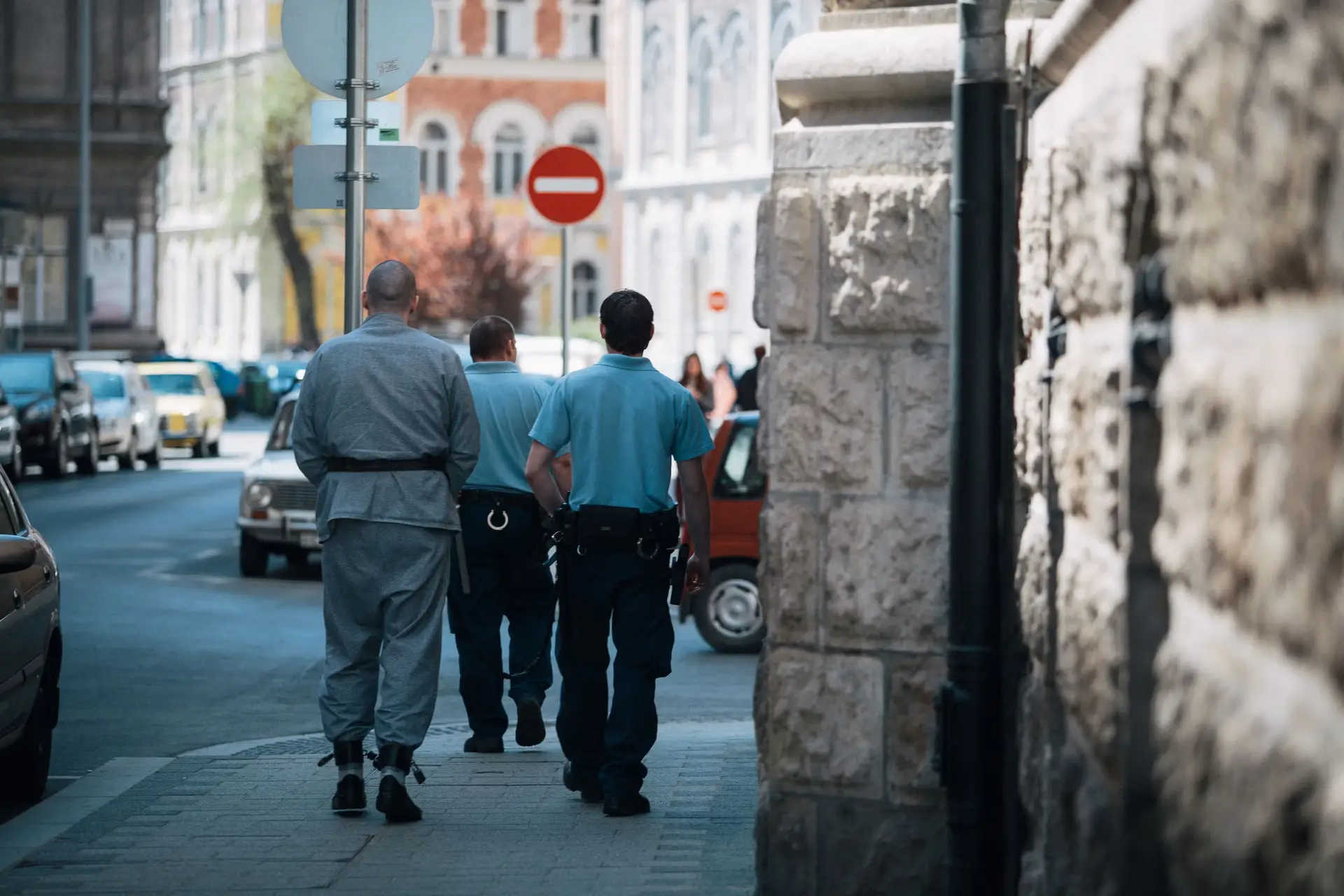
Swiss public administration prides itself on quiet efficiency and modest decorum. Yet behind the thick walls of the Fribourg correctional facilities, a distinctly provincial drama of petty power and elastic timesheets is playing out. An anonymous whistleblower document sent to cantonal authorities, trade unions, and media outlets has cast a harsh light on the leadership of prison director Guido Sturny and his department heads.
The core allegations center on a practice as unseemly as it is pedestrian: the improper logging of overtime hours, allegedly converted into extra vacation days for management. What elevates this from a mundane accounting dispute into a wider institutional embarrassment is the nature of the workplace culture described by current and former employees. Staff members speak of an authoritarian regime that fosters a climate of fear, where subordinates actively avoid the director to escape aggressive confrontation. According to Gaëtan Zurkinden of the public service union VPOD, the oppressive atmosphere, particularly at the Bellechasse facility in Sugiez, has already driven younger personnel to resign.
Adding a uniquely Swiss flavor to the controversy is Sturny’s secondary role as chairman of the Swiss Wrestling Association. The whistleblower letter alleges that overtime was routinely claimed while attending meetings for the traditional sport. Cantonal officials quickly noted that Sturny’s wrestling duties had been officially declared and approved by the State Council. Yet the optics of public salary funds potentially subsidizing administrative wrestling duties leave a bitter aftertaste.
Rather than moving swiftly to establish an independent inquiry, the cantonal government appears inclined to protect its own. Olivier Kämpfen, Secretary General of the Fribourg Security and Justice Directorate, brushed aside the criticism of Sturny’s personality, asserting that the management still stands clearly behind the director, while casually adding that running a penal institution requires a specific style. Meanwhile, a separate harassment proceeding against another member of the prison management led to a suspension earlier this summer—a detail the canton refuses to elaborate on, citing employee privacy.
While the union demands a transparent, external investigation, Fribourg’s officialdom insists on conducting its own internal review first. It is a familiar reflex in Swiss statecraft: when administrative fiefdoms face uncomfortable questions, the bureaucracy trusts only itself to audit the damage. Whether an internal check will bring clarity or simply smooth over the rough edges of a toxic work environment remains a question the taxpayers of Fribourg are left to contemplate.
Written by Martina Kirchner martina.kirchner@alpineweekly.com